
10 Best Cabin Suitcases for 2026 (Airline Size Guide Included)


Which is the best cabin suitcase?
The best cabin suitcase for 2026 is one that meets real airline cabin limits without guesswork: a 55 x 35 x 25 cm hard-shell case fits most UK and European carriers’ standard cabin rules. This guide compares 10 top cabin suitcases and shows exactly which airlines each size fits, based on published limits for major carriers. These are the 10 models:
- NoBoringSuitcases cabin suitcase 55 x 35 x 25 cm
- Samsonite S’Cure Spinner 55 cm
- Travelpro Maxlite 5 International Carry-On
- Briggs & Riley Baseline Essential 22" Carry-On
- Away The Carry-On
- Rimowa Essential Cabin
- American Tourister Soundbox 55 cm
- Delsey Chatelet Air 2.0 Cabin
- Eastpak Tranverz S
- Antler Clifton Cabin

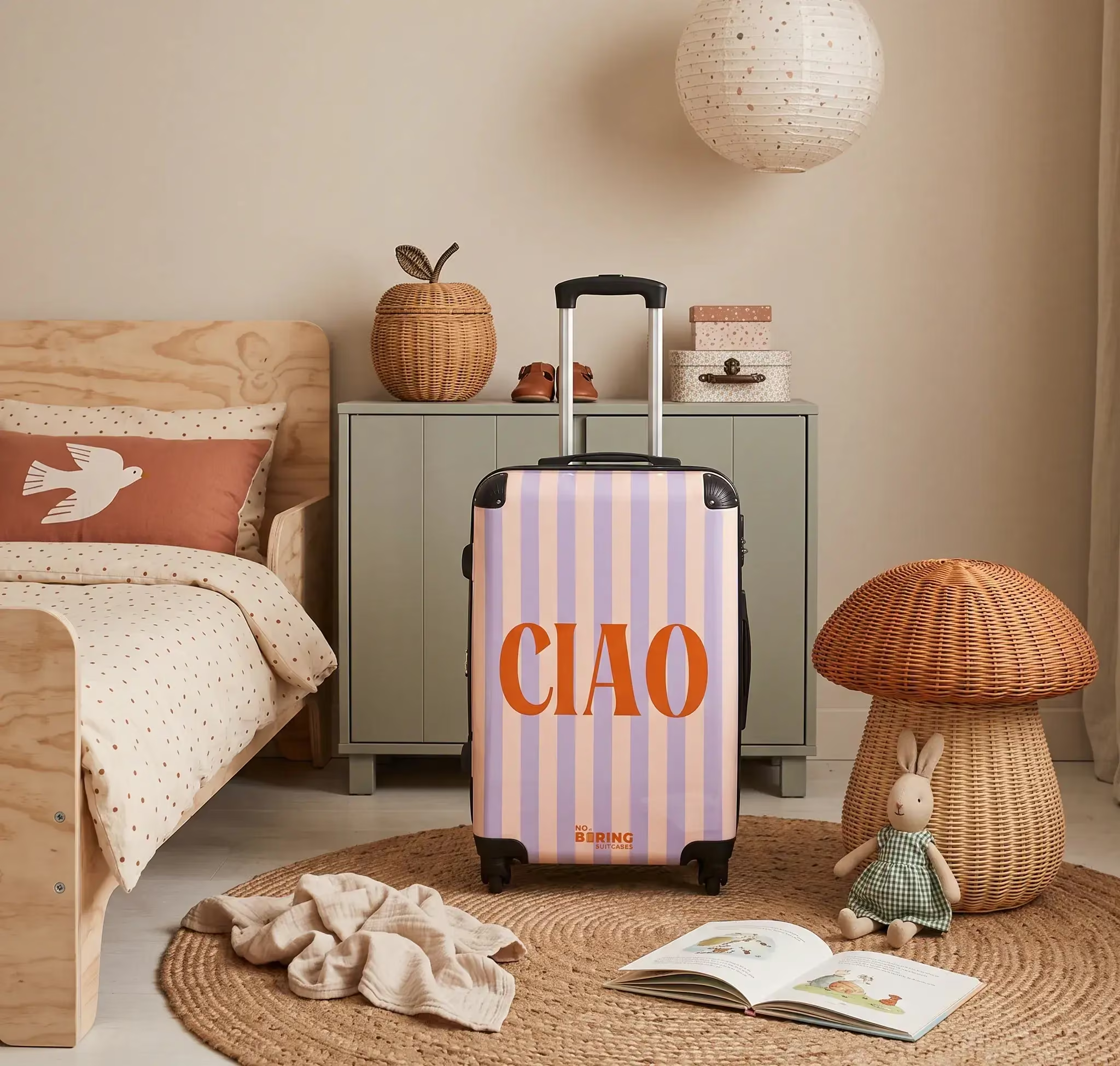
1. NoBoringSuitcases cabin suitcase 55 x 35 x 25 cm
If you want a cabin case that’s built around a size that works with “nearly every airline”, 55 x 35 x 25 cm is the sweet spot in 2026. It’s the kind of sizing that clears the standard cabin allowance on many UK and European carriers without forcing you into an underseat-only bag. You also get a hard-shell build that shrugs off overhead bin knocks better than soft fabric.
NoBoringSuitcases makes this case from high-quality polycarbonate, which keeps weight down while staying impact-resistant. Expect roughly 2.6 kg before you pack anything, which matters when an airline adds a 10 kg cabin weight cap and you still want shoes and a wash bag. For easy airport handling, it rolls on four 360-degree spinner wheels, so you can push it beside you through station platforms and tight jet-bridge turns without wrestling it. You can browse the full range of cabin suitcases if you want to compare designs.
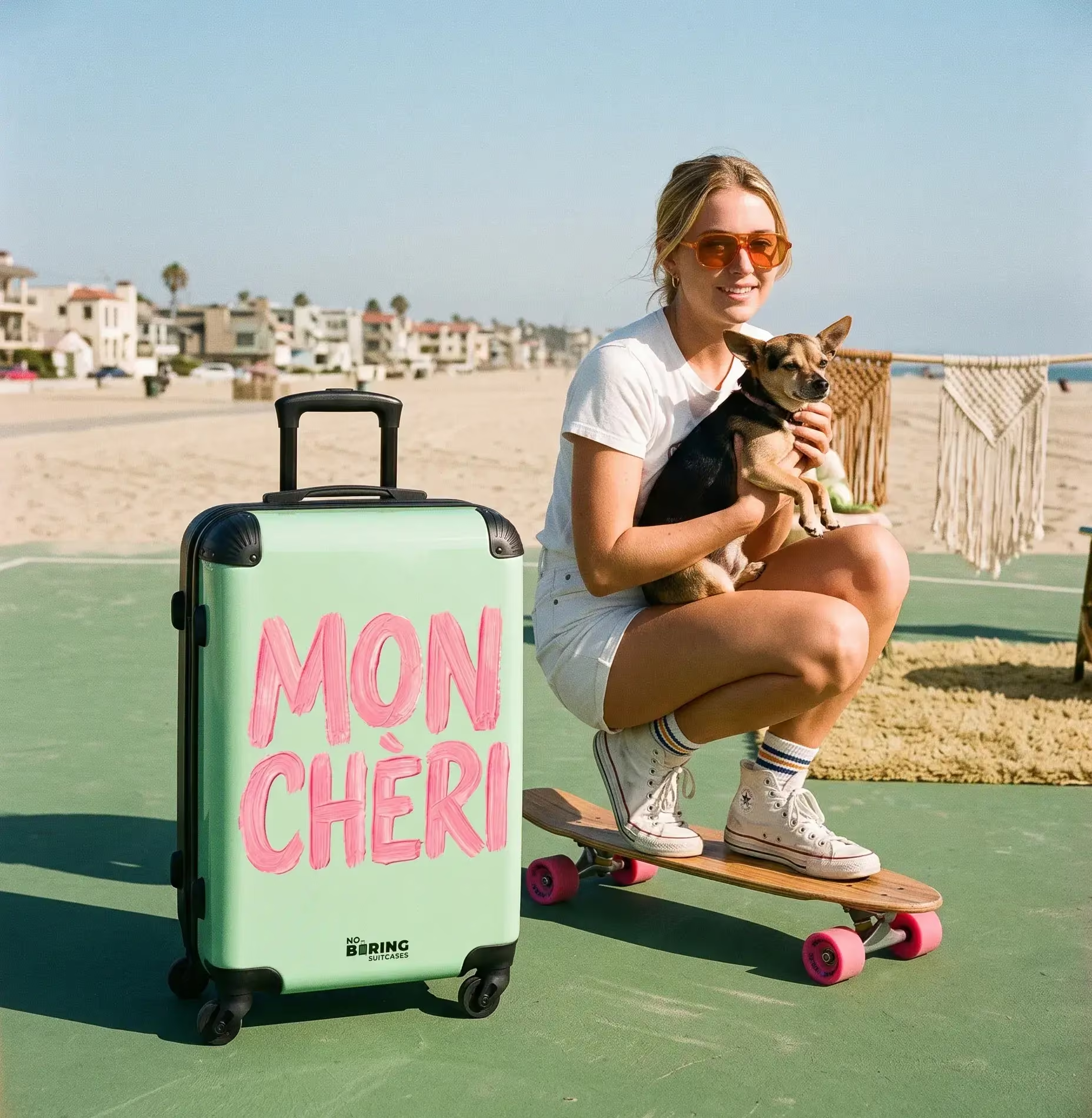
What makes it stand out for real travel, though, is recognisability. You can order it with initials or your name, or print it with your own photo, including black-and-white or sepia for a cleaner, more premium look. Add the optional professional photo check if you want confidence that the print will look sharp and colour-accurate on the shell, and finish with a TSA-approved combination lock for hassle-free security screening.

2. Samsonite S’Cure Spinner 55 cm
Samsonite’s S’Cure Spinner is a long-running favourite for travellers who prioritise durability over trend-led styling. Its hard-shell construction is designed to take repeated impacts from overhead bins and boot compartments, which is exactly what happens on multi-city European trips. The 55 cm size typically aligns well with “standard” cabin allowances, but always check the depth because that’s where airlines differ most.
This model is a good fit for people who travel frequently and want predictable performance: smooth rolling, a stable handle, and a shell that doesn’t flex easily when you’re rushing for a connection. It’s also a practical choice if you tend to overpack, because a rigid shell makes you feel the limits early rather than letting you squeeze in “just one more thing” and then fail the sizer at the gate. If you’re comparing brands and sizes across a household, it can help to look at all suitcases to keep dimensions consistent.


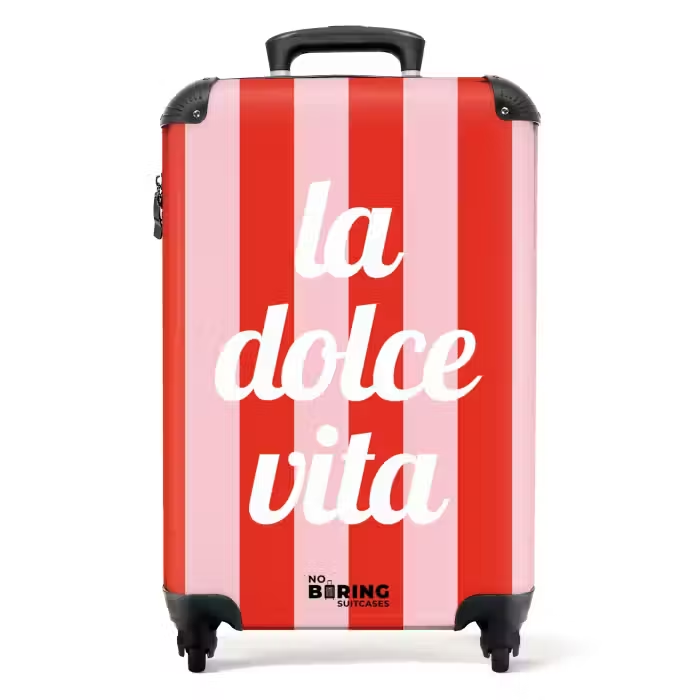
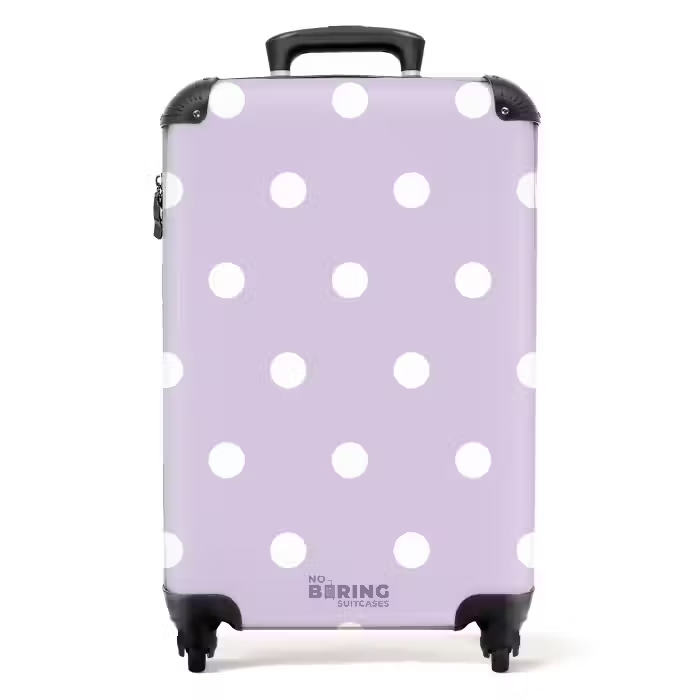
Popular cabin suitcases
Designed to slide into the overhead bin without any awkward flight attendant interactions
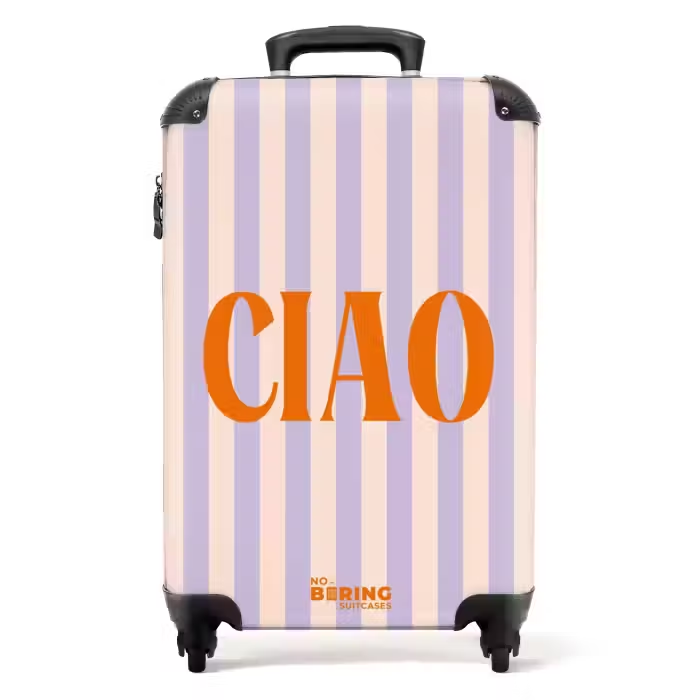
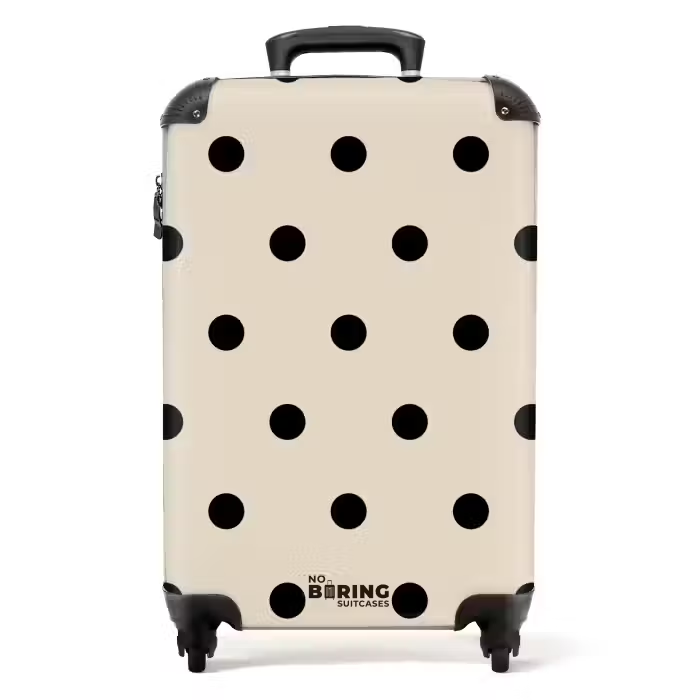
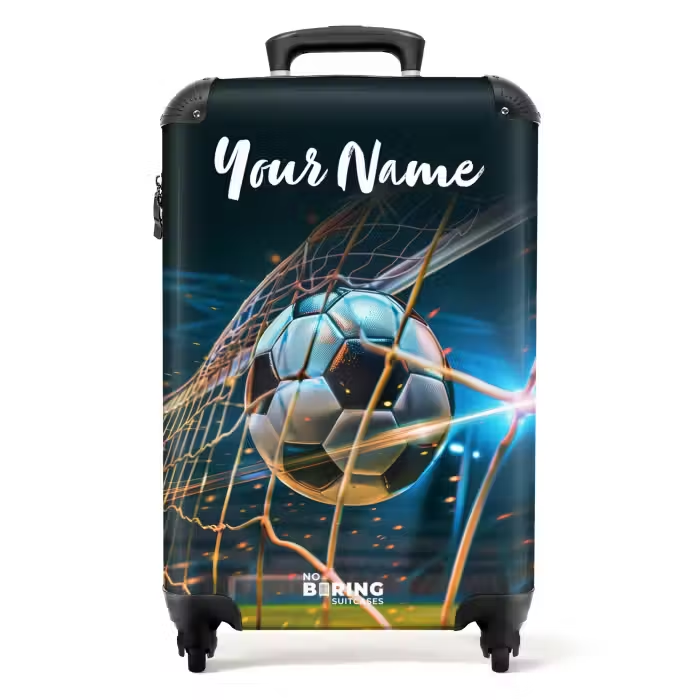
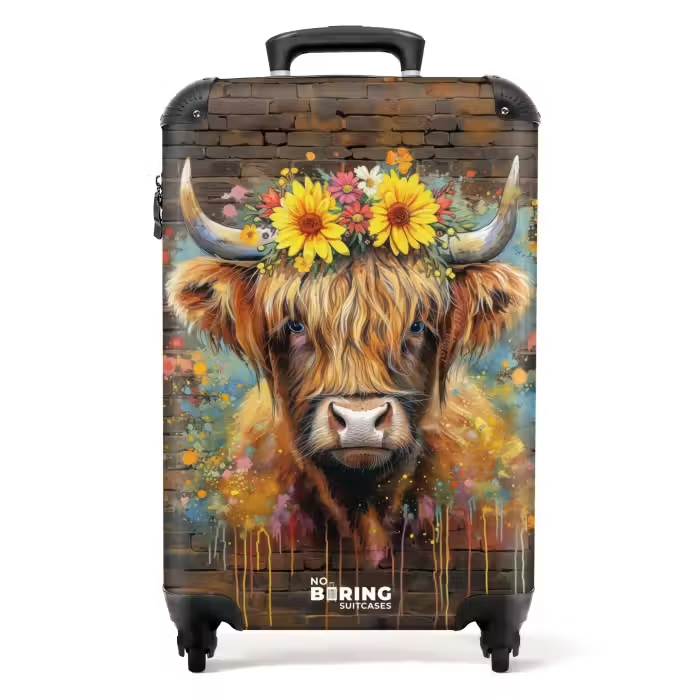
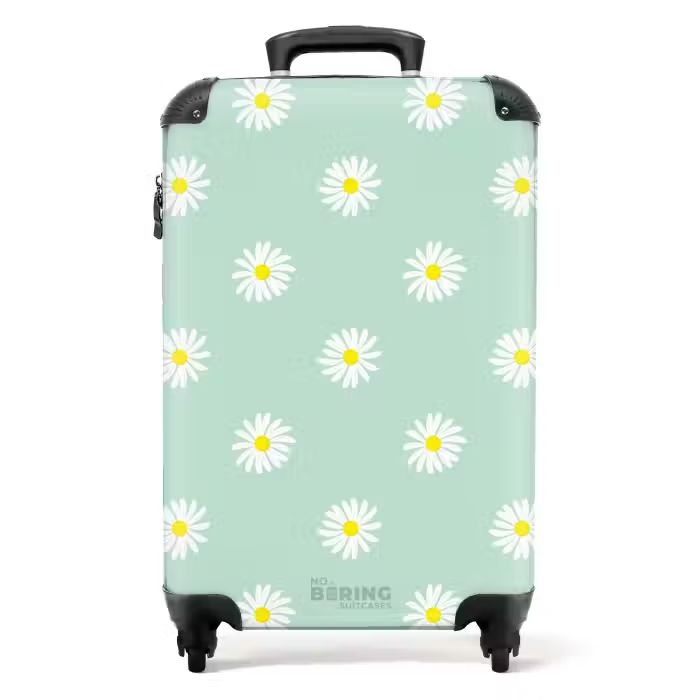
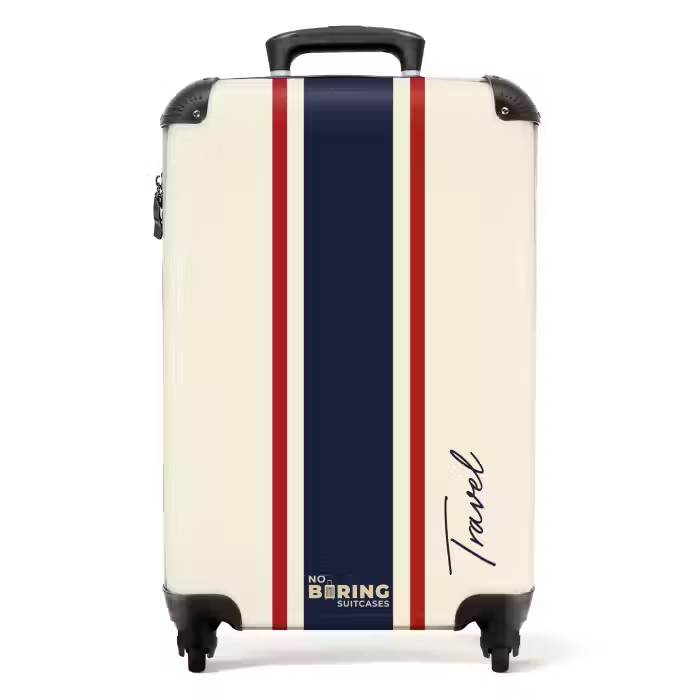
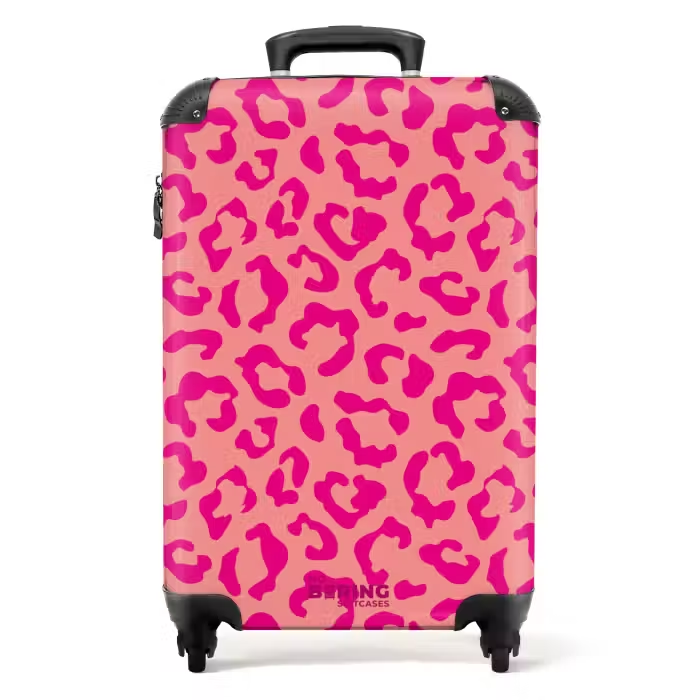


3. Travelpro Maxlite 5 International Carry-On
If you prefer soft-sided luggage, the Travelpro Maxlite 5 International Carry-On is built to keep weight low while staying easy to lift into overhead bins. Soft-sided cases can be forgiving when you’re trying to fit into a tight space, and they often offer external pockets for chargers, boarding passes, and a light jacket. That convenience is real when you’re doing a quick weekend hop from London to Barcelona and don’t want to open the main compartment in a crowded gate area.
The trade-off is protection: fabric cases won’t guard fragile items like a hard shell will, and they can scuff or fray over time if you’re tough on your luggage. If you go this route, pack breakables in the middle and use packing cubes to stop items shifting. For travellers who want a hard-shell cabin case but still like personal style, a custom option such as suitcase own photo can give you both protection and instant identification.

4. Briggs & Riley Baseline Essential 22" Carry-On
Briggs & Riley is known for premium build quality and a business-travel focus. The Baseline Essential Carry-On is designed around frequent travel: robust zips, strong handles, and a structured body that keeps its shape. It’s the kind of case that suits weekly flyers who want a suitcase to last for years rather than seasons.
One practical note for UK and EU flying: “22 inch” carry-ons can be slightly larger than some European cabin limits, especially on depth. That doesn’t automatically make it a bad choice, but it does mean you should match it to the airlines you actually fly, not a generic “carry-on” label. If your travel is mostly low-cost carriers with strict sizers, a smaller, clearly compliant size can reduce gate stress.


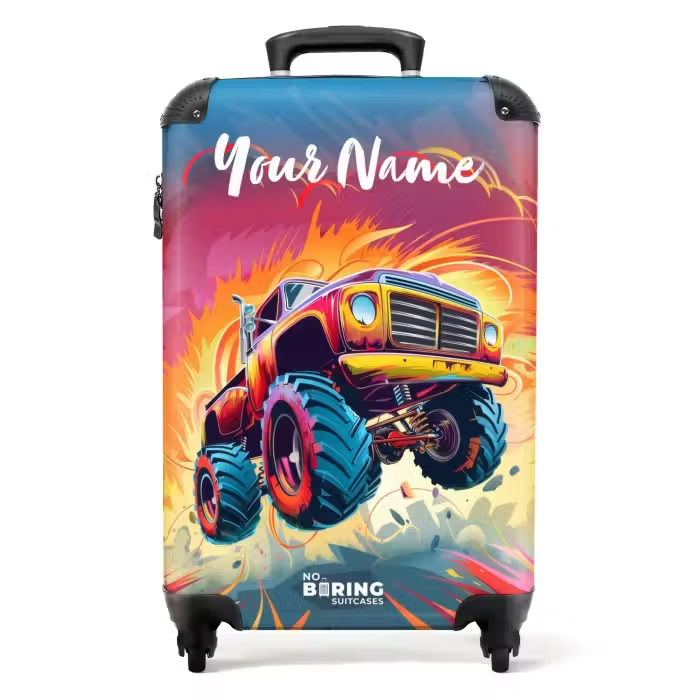
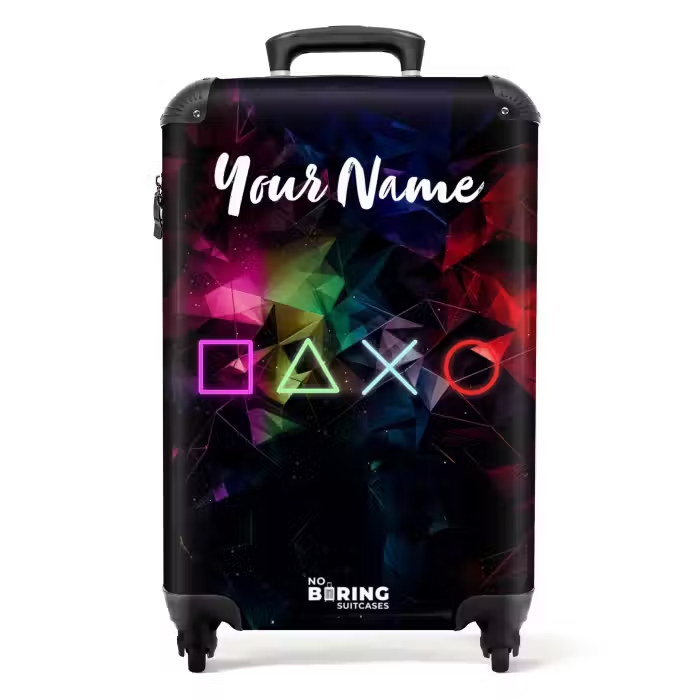
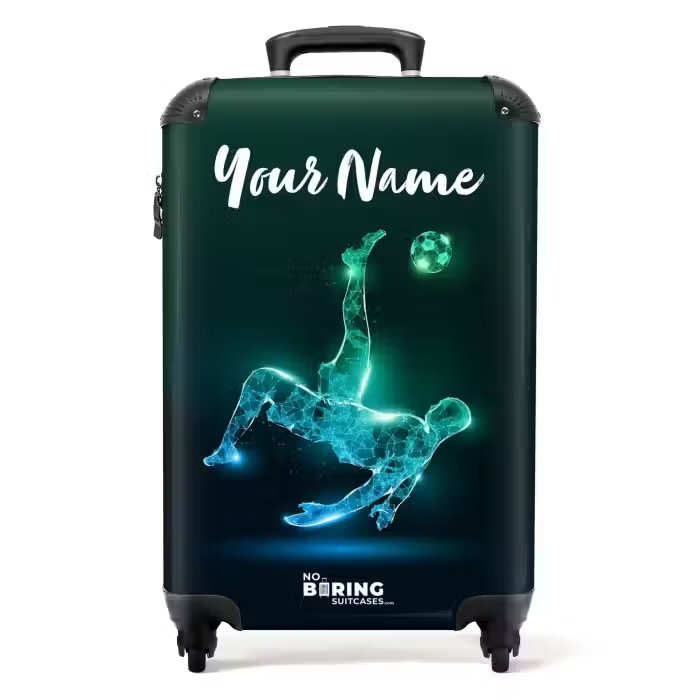
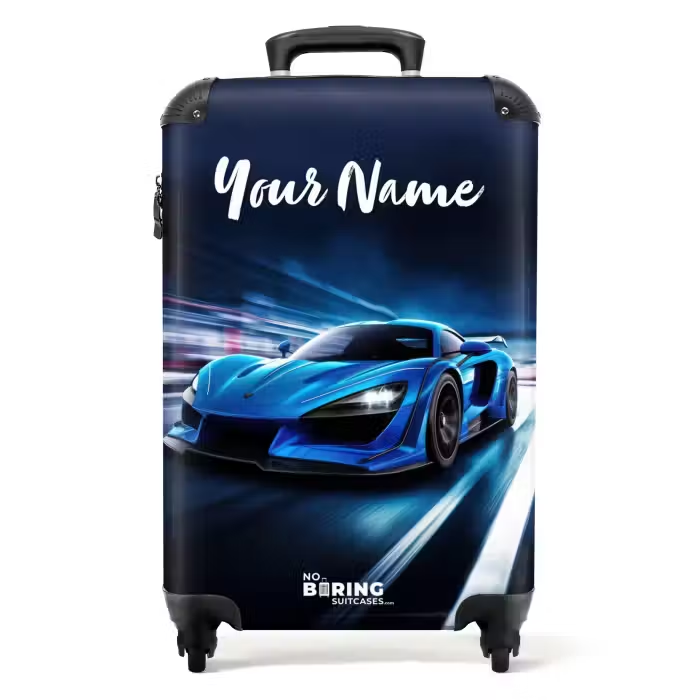
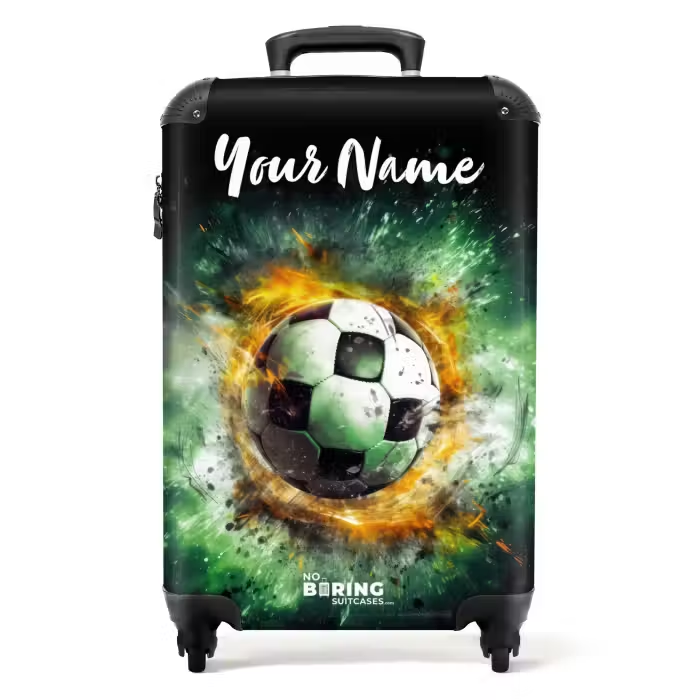
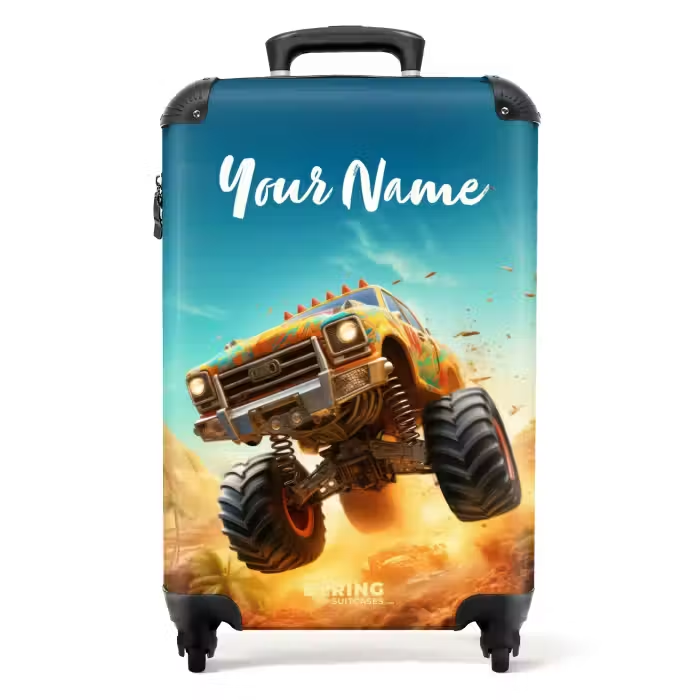
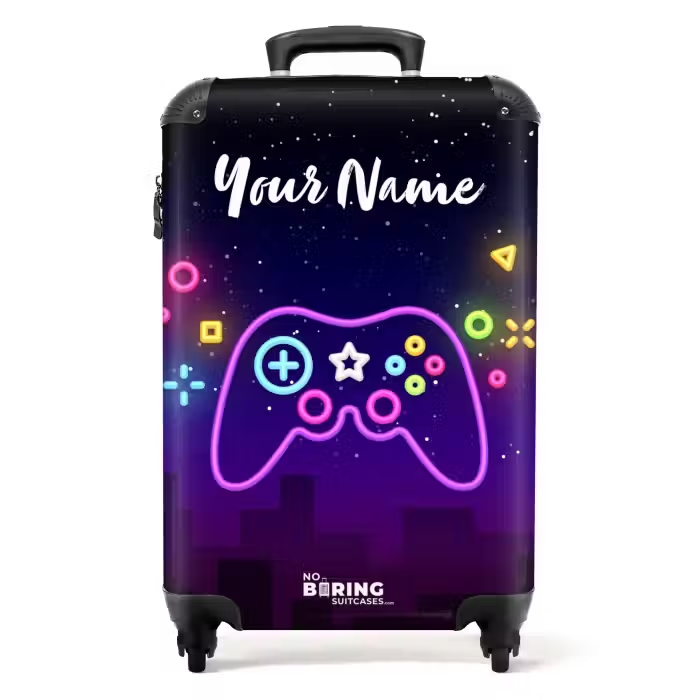
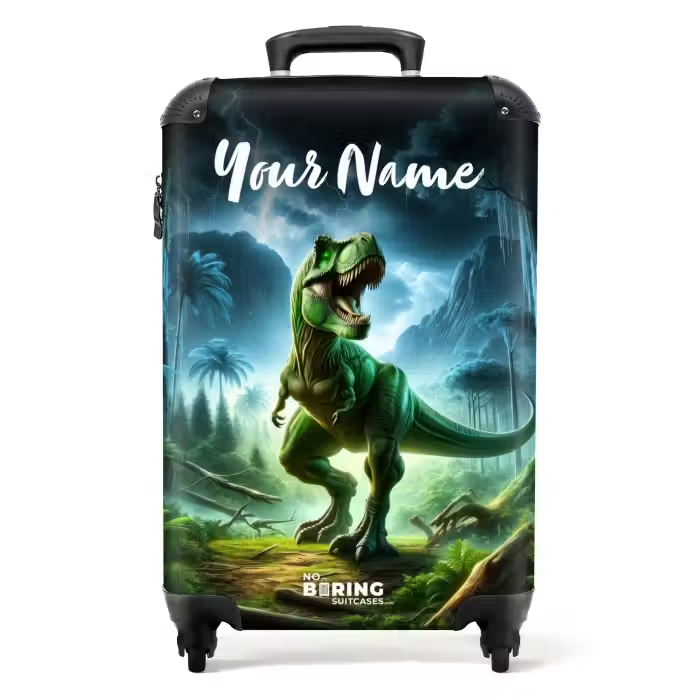
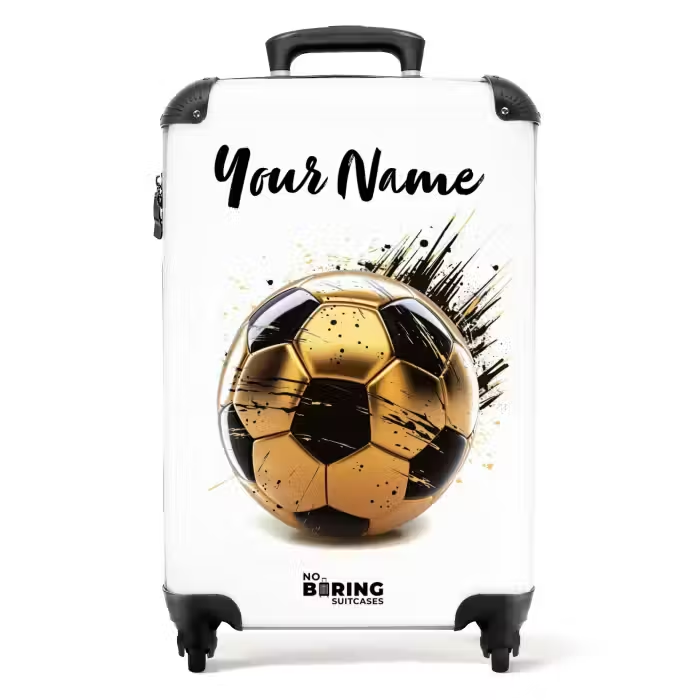
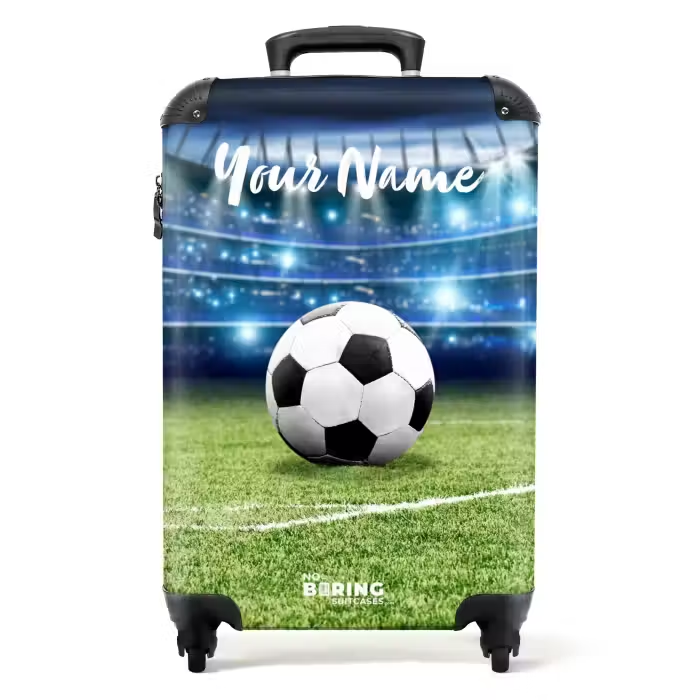
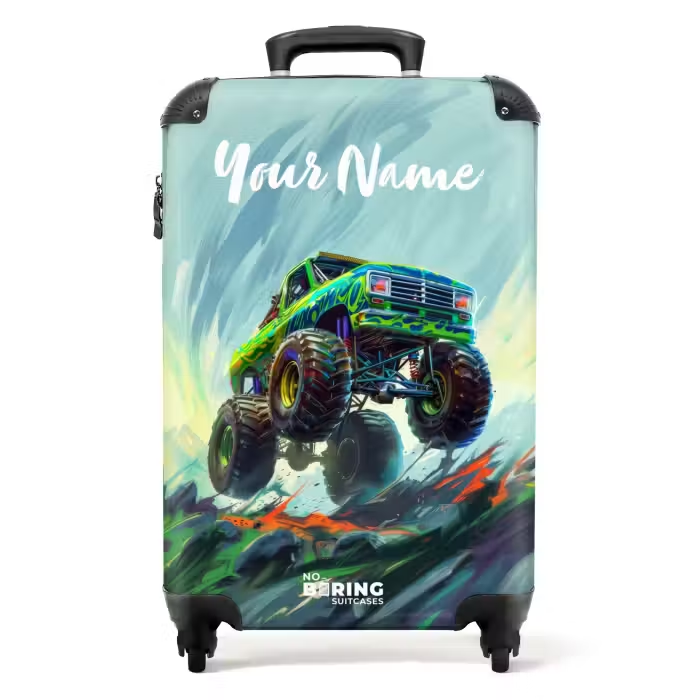
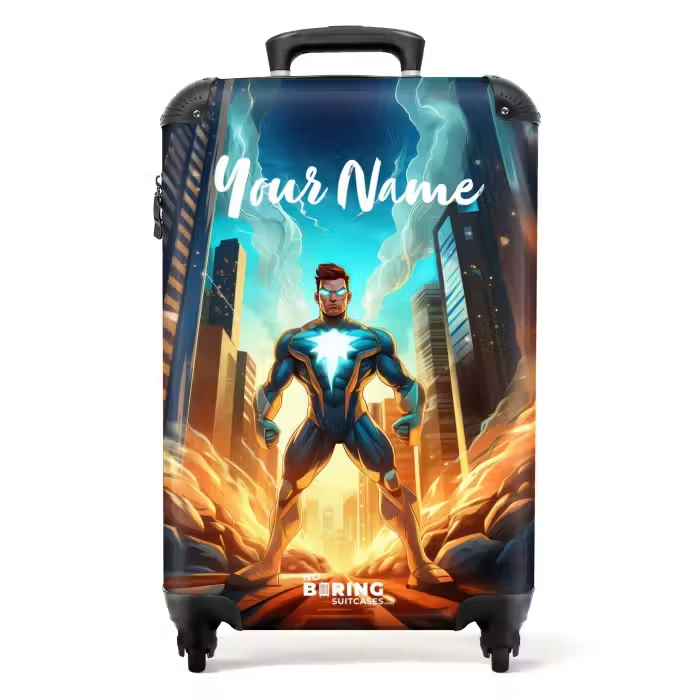
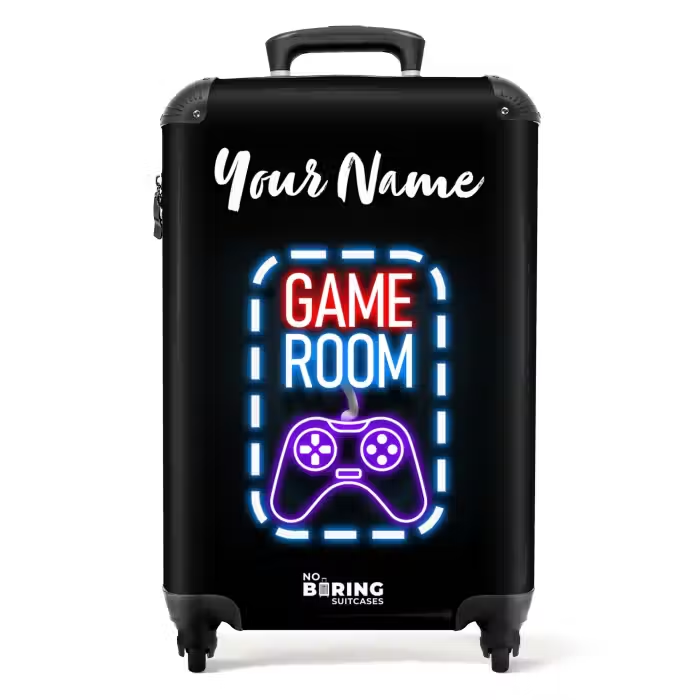
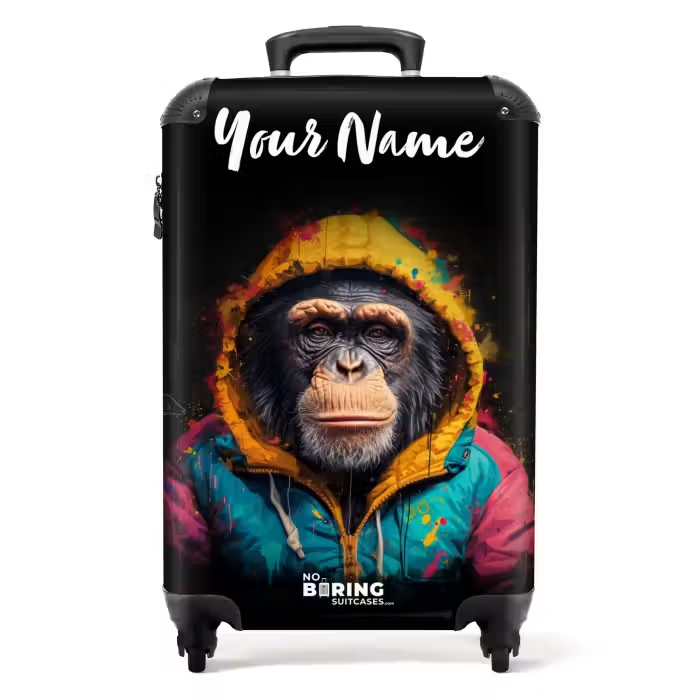
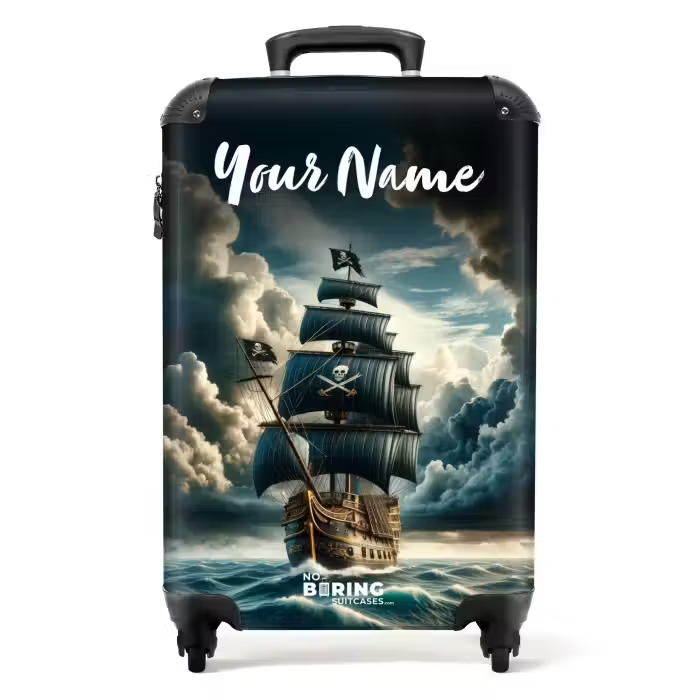
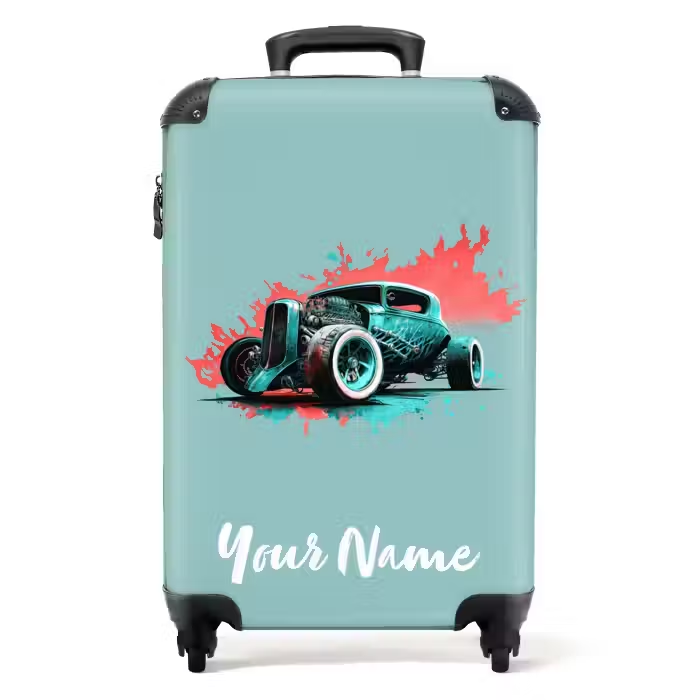
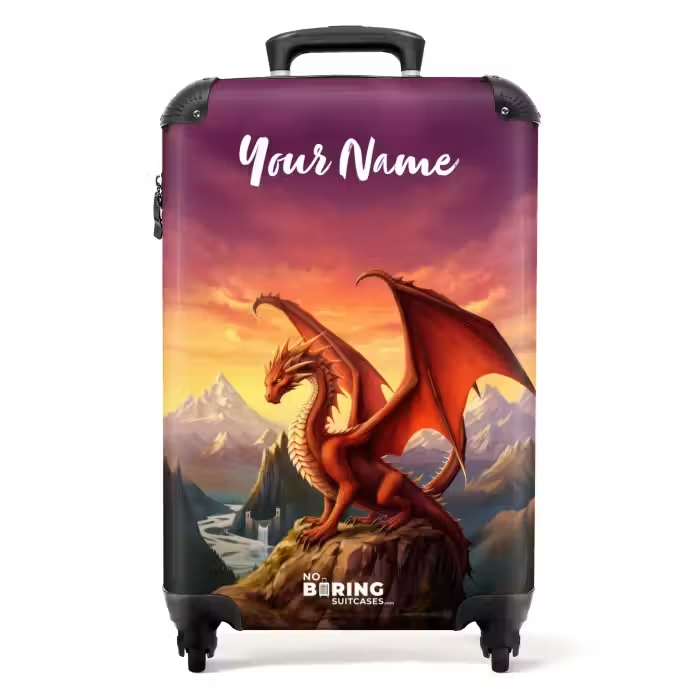
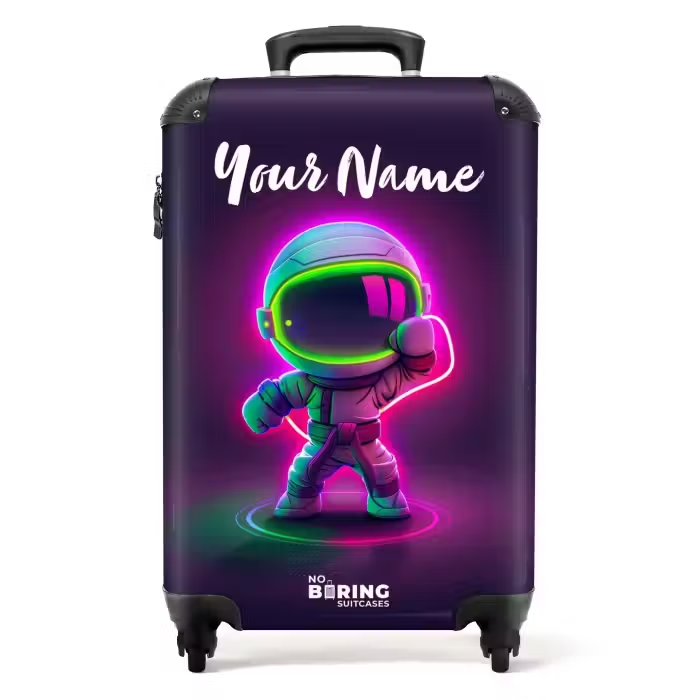
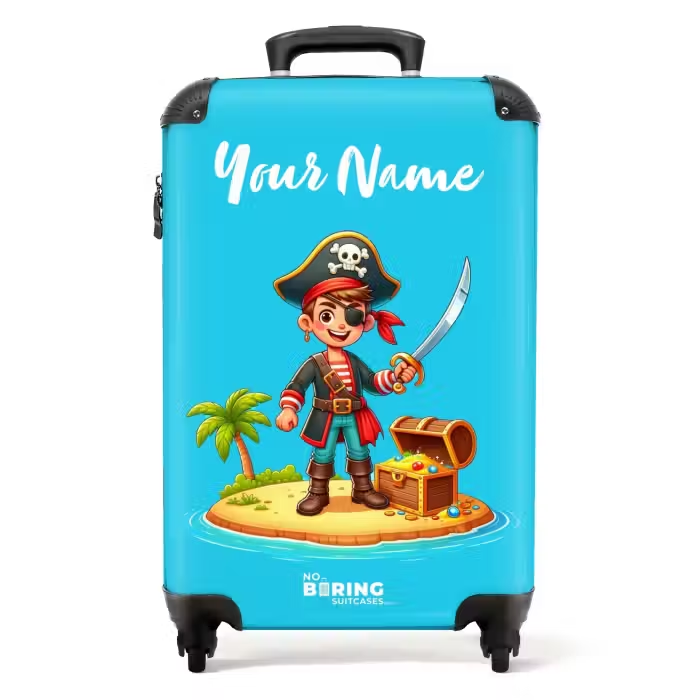
Popular cabin suitcases for boys
Because let’s be honest: waiting forty minutes for checked baggage is officially overrated


5. Away The Carry-On
Away’s Carry-On is popular for its clean design and well-organised interior. It’s aimed at travellers who like a tidy split-compartment layout and a modern look that works for both city breaks and work trips. In real use, the appeal is simple: it packs neatly, rolls well on smooth airport floors, and looks smart next to a laptop bag.
The key is to check the exact measurements against your airline. Some versions of this suitcase have dimensions that can be borderline for stricter carriers, particularly on depth. If you often fly with airlines that enforce the sizer at the gate, choosing a case that’s comfortably under the limit is usually better than gambling on “it’ll probably be fine”.

6. Rimowa Essential Cabin
Rimowa’s Essential Cabin is a high-end hard-shell option that targets travellers who want premium materials and a distinctive look. The shell is designed to handle knocks without feeling flimsy, and the overall finish tends to stay looking good even after repeated trips. If you travel with fragile items, a solid hard shell can be worth paying for.
That said, premium doesn’t automatically mean universally compliant. Rimowa’s cabin sizes can vary by model, and some are better suited to full-service airlines than low-cost carriers with strict cabin baggage rules. If your travel is a mix of BA one month and easyJet the next, it’s worth choosing a size that works across both rather than optimising for just one.


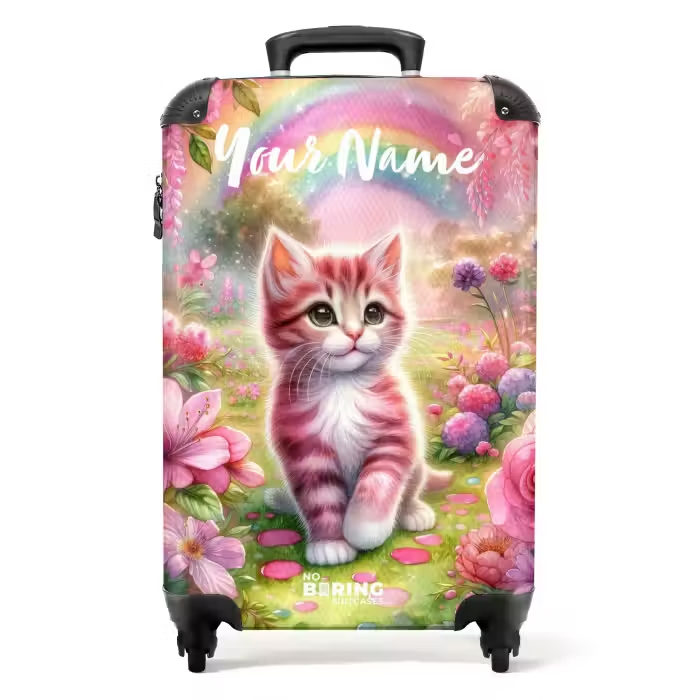
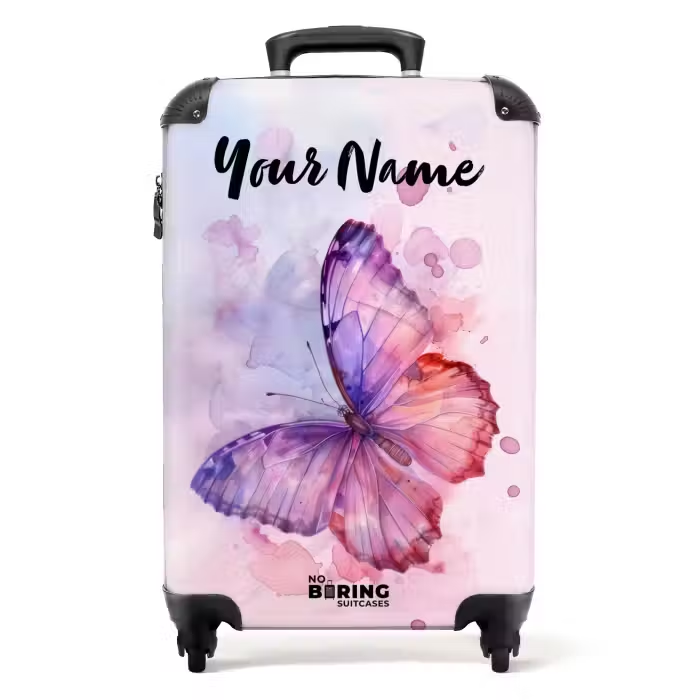
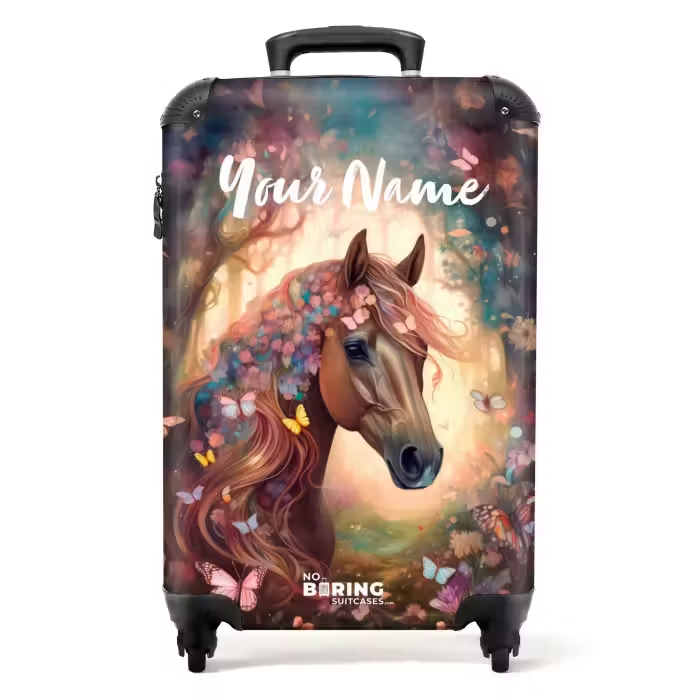
Popular cabin suitcases for girls
Just pack, roll, and pretend you always travel this effortlessly light
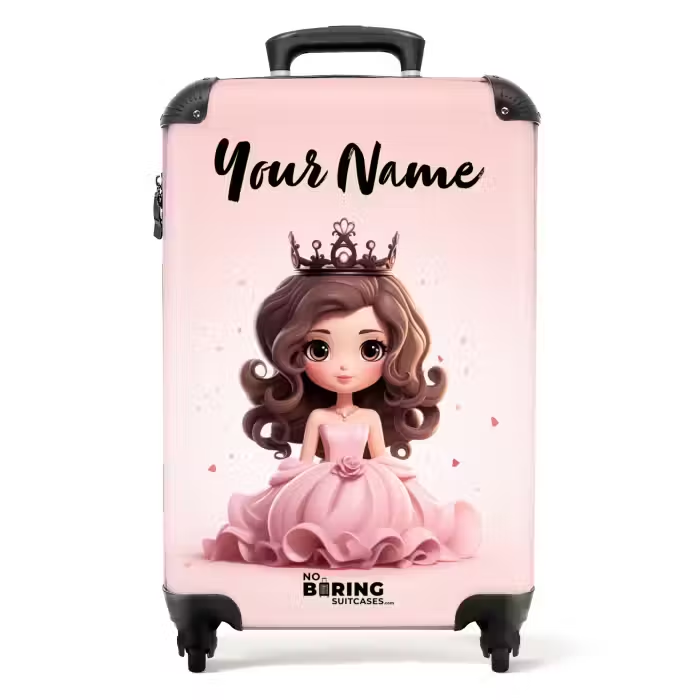
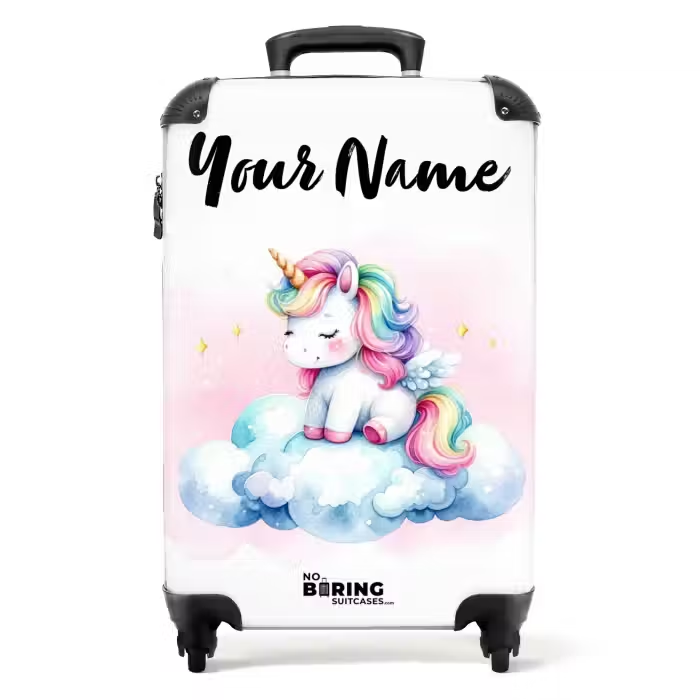
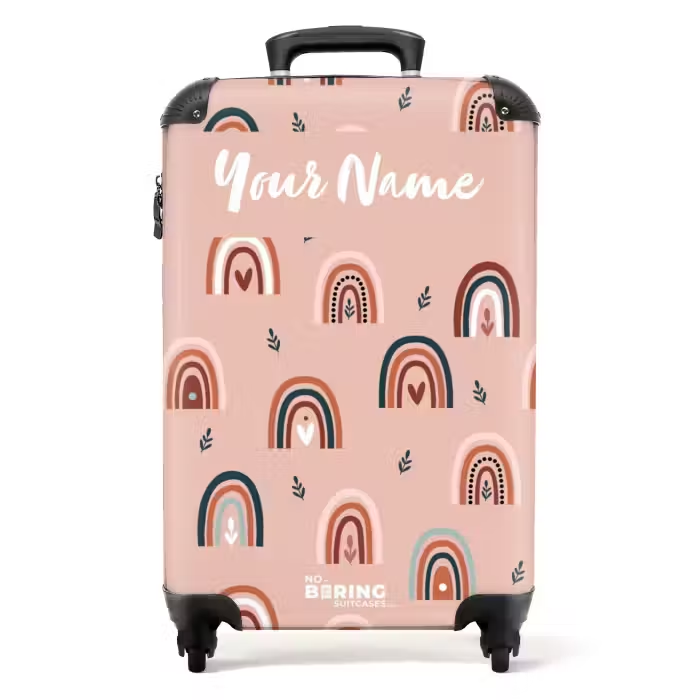
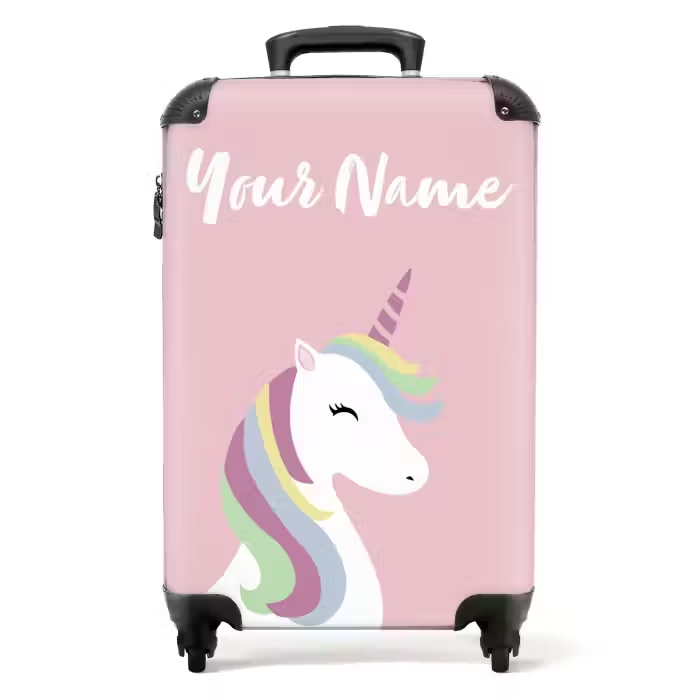
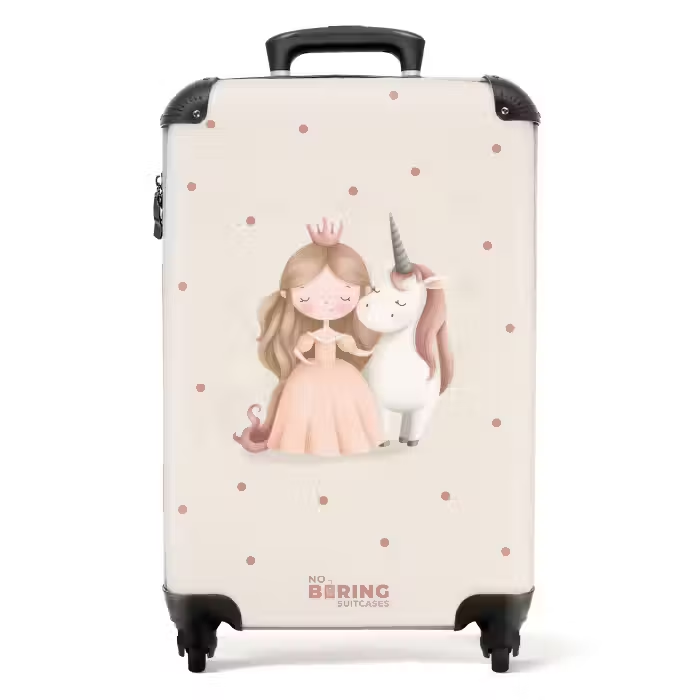
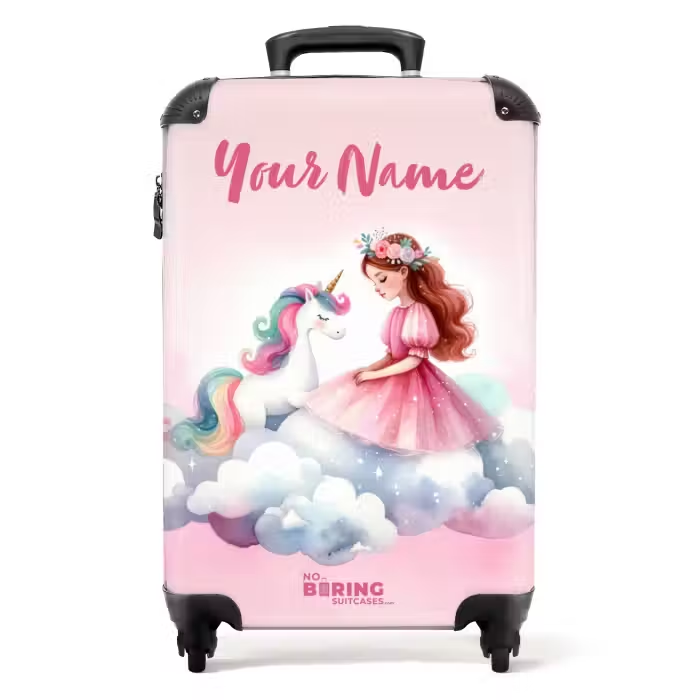
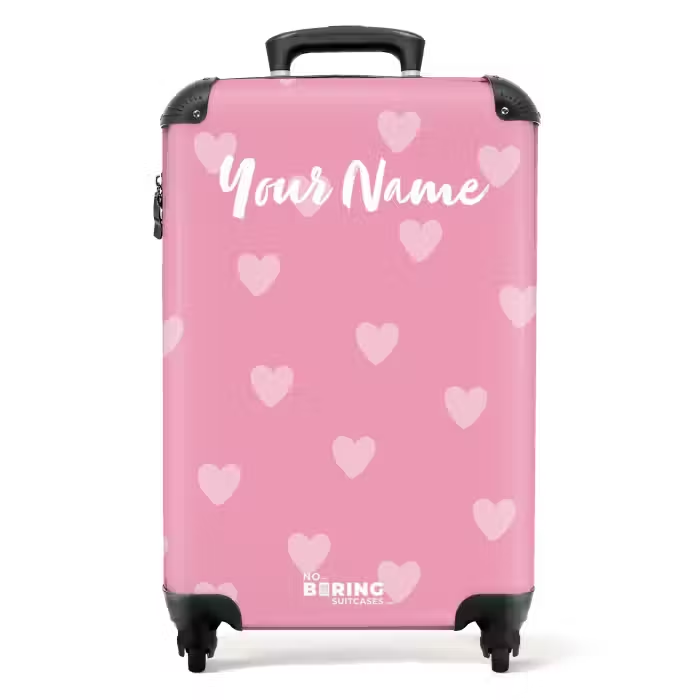
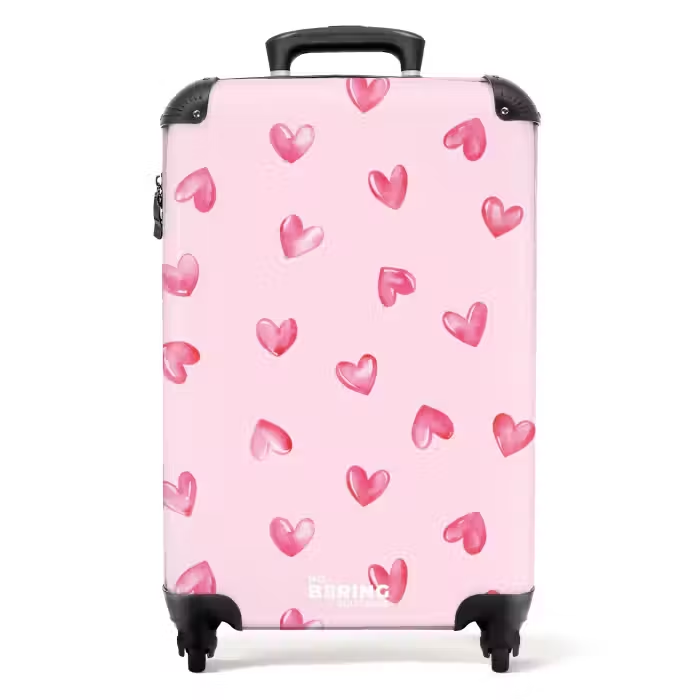


7. American Tourister Soundbox 55 cm
The American Tourister Soundbox 55 cm is often picked for value: a hard-shell cabin case that still looks fun and modern. It’s a sensible option if you want a recognised brand and a durable shell without paying premium prices. For many travellers, it’s a reliable “throw-it-in-the-boot” suitcase for short breaks.
As with any 55 cm cabin case, the detail that matters is the full measurement, including wheels and handles. Airlines measure the whole thing, not just the shell. If you regularly fly with strict limits, compare the manufacturer’s stated external dimensions to the airline’s published limit and leave a little buffer.

8. Delsey Chatelet Air 2.0 Cabin
If you want something more style-led without going fully luxury, the Delsey Chatelet Air 2.0 Cabin is a strong contender. It’s designed to look polished, which suits travellers who care about aesthetics as much as function. The interior usually leans towards organised packing, which helps if you like keeping outfits separated for a two- or three-night stay.
The practical consideration is scuffing: lighter-coloured cases can show marks quickly in overhead bins. If you like the standout look but want easy identification without worrying about marks, a personalised hard shell can do the job too. NoBoringSuitcases’ custom prints and name options are particularly useful when several similar cabin cases come off the same flight.

9. Eastpak Tranverz S
The Eastpak Tranverz S is a soft-sided, two-wheeled cabin bag that suits travellers who prioritise simple packing and a more casual style. Two wheels can be an advantage on rough pavements and kerbs, especially in older European cities where spinner wheels can rattle and snag. It’s also often lighter than hard-shell alternatives, which helps if you’re close to an airline’s weight limit.
The downside is manoeuvrability in tight airport queues: four-wheel spinners are easier to glide beside you without tipping. If you frequently travel with kids or carry an extra personal item, a spinner can reduce the overall hassle. For family trips, it’s also worth looking at dedicated kids cabin suitcases so children can manage their own bags.

10. Antler Clifton Cabin
Antler’s Clifton Cabin is a UK-leaning choice that fits well with the needs of short-haul travellers. It’s built for practical use: a clean hard-shell design, straightforward interior, and easy rolling. If you want a case that looks smart without shouting about branding, it’s a good fit for weekend breaks and work trips.
As always, match the size to your airline. Antler offers several cabin variants, and one may suit BA while another is better for easyJet. If you want the simplest “one case for most flights” approach, pick a size that sits safely within common limits and avoid anything that’s right on the edge.


What size cabin suitcase fits most airlines?
A 55 x 35 x 25 cm cabin suitcase is one of the most widely accepted sizes across UK and European airlines in 2026, especially for standard overhead-cabin allowances. The catch is that some carriers set a smaller depth (often 20–23 cm), and a few enforce a smaller overall size for the cheapest fares. If you want maximum compatibility, prioritise staying under the depth limit and keep the weight low.
Here are typical cabin size limits you’ll see published (always double-check your fare type, because “basic” tickets can be stricter):
- British Airways: Often around 56 x 45 x 25 cm for cabin bags
- EasyJet: Often around 56 x 45 x 25 cm for paid cabin bags; smaller underseat size for included allowance
- Ryanair: Often around 55 x 40 x 20 cm for paid cabin bags; smaller underseat size for included allowance
- Wizz Air: Often around 55 x 40 x 23 cm for paid cabin bags; a smaller underseat size for included allowance
- Lufthansa Group airlines: Often around 55 x 40 x 23 cm

What is the best cabin suitcase for Ryanair?
For Ryanair, the best cabin suitcase is the one that matches your fare. If you only have the included personal item, you need an underseat bag, not a cabin suitcase. If you’ve paid for Priority and 2 Cabin Bags, Ryanair’s larger cabin bag limit is commonly 55 x 40 x 20 cm, which makes depth the sticking point for many hard-shell cases.
If you want to minimise the chance of a gate fee, do this before you buy:
1. Check whether you fly Ryanair with priority most of the time or only occasionally.
2. Choose a case that’s comfortably within 55 x 40 x 20 cm if Ryanair is your main carrier.
3. If you mostly fly other airlines, pick a versatile size like 55 x 35 x 25 cm and use an underseat bag on Ryanair flights where you don’t have priority.
Tested cabin size compliance table (UK and Europe)
This table compares the common airline limits against a 55 x 35 x 25 cm cabin suitcase size, because that’s the size used by NoBoringSuitcases. It’s based on published airline limits and focuses on the dimension that most often causes problems at the gate: depth. Airlines can change limits and enforcement, so treat this as a practical guide and re-check before each trip.
- British Airways (typical 56 x 45 x 25): Fits 55 x 35 x 25 cm; Notes: Standard cabin allowance usually accepts 25 cm depth.
- EasyJet paid cabin (typical 56 x 45 x 25): Fits 55 x 35 x 25 cm; Notes: Included allowance is smaller and underseat-only.
- Ryanair Priority cabin (typical 55 x 40 x 20): Does not fit 55 x 35 x 25 cm; Notes: Fails on depth (25 cm vs 20 cm).
- Wizz Air paid cabin (typical 55 x 40 x 23): Does not fit 55 x 35 x 25 cm; Notes: Fails on depth (25 cm vs 23 cm).
- Lufthansa (typical 55 x 40 x 23): Does not fit 55 x 35 x 25 cm; Notes: Fails on depth (25 cm vs 23 cm).
- KLM (typical 55 x 35 x 25): Fits 55 x 35 x 25 cm; Notes: This is a direct match to the stated limit.
- Air France (typical 55 x 35 x 25): Fits 55 x 35 x 25 cm; Notes: This is a direct match to the stated limit.
Which cabin suitcase is the most durable?
For durability, hard-shell polycarbonate is a strong choice because it combines impact resistance with low weight. Aluminium looks premium but can dent, and ABS plastic is often cheaper but tends to crack sooner under repeated stress. In day-to-day travel, durability also depends on wheel quality, handle stability, and how well the shell protects corners.
If you want a durable cabin suitcase that still feels light enough for European city breaks, look for:
- Polycarbonate shell rather than thin ABS
- Four 360-degree spinner wheels that roll smoothly when fully packed
- A reliable lock, ideally TSA-approved if you travel beyond Europe
- A size that fits your typical airlines, so you don’t end up forcing it into sizers and damaging wheels or corners
NoBoringSuitcases focuses on polycarbonate hard-shell cabin cases with four spinner wheels, and the 2.6 kg starting weight helps keep the whole setup manageable when you’re moving fast through terminals. If you’re buying for different travellers in the same household, cabin suitcases for adults can make it easier to keep sizing consistent.
Choose a cabin suitcase you won’t argue with at the gate
What matters most when picking the best cabin suitcase comes down to this:
- Match the suitcase depth to your most-used airline, because depth is where many “carry-ons” fail.
- Pick a hard-shell polycarbonate case if you want strong protection without heavy weight.
- Prioritise four 360-degree spinner wheels for easier handling in queues and narrow aisles.
- Make the suitcase easy to recognise with a name, initials, or a custom photo print.
- Add a TSA-approved combination lock if you want simple, secure travel.
NoBoringSuitcases offers a 55 x 35 x 25 cm polycarbonate cabin suitcase at around 2.6 kg, with custom designs, name or initials personalisation, and optional photo checking for a crisp print. Explore cabin suitcases and choose a design you’ll spot instantly on arrival.

It’s a common “standard cabin” size for many European and full-service carriers, and it matches some airlines exactly. The main exception is low-cost carriers that set a smaller depth limit such as 20–23 cm. Always check the airline’s rules for your specific fare type.
Often, yes, but polycarbonate hard shells can still be very light. A cabin case around 2.6 kg gives you a good balance of protection and manageable weight. Soft-sided cases can be lighter, but they usually protect fragile items less effectively.
Depth is the most common issue, especially with airlines that cap cabin bag depth at 20–23 cm. Wheels and handles count in the measurement, so a suitcase that looks “about right” can still fail the sizer. Keeping a small buffer under the limit reduces the risk.
It’s not strictly necessary for most intra-Europe trips, but it’s useful if you travel to destinations where TSA-compatible screening is common. A TSA-approved combination lock also keeps your bag secure without needing keys. It’s a simple add-on that can prevent travel-day headaches.
Yes, if you choose a clean design approach. Black-and-white or sepia photo prints tend to look more refined on a hard shell, and initials or a name can be subtle while still making the suitcase instantly recognisable. A professional photo check helps ensure the print looks sharp and colour-accurate.