
10 Best Carry-On Suitcases for 2026 (Fits All Major Airlines)


Which is the best carry-on suitcase in the UK?
The best carry-on suitcase in the UK is the one that gives you the most packing space while staying inside strict airline limits. For 2026, that means prioritising 55 cm-class cabin cases with smart internal organisation and low empty weight. This guide compares 10 top carry-on options and shows airline compatibility, including the NoBoringSuitcases cabin suitcase (55 × 35 × 25 cm, 36 L, ~2.6 kg), designed to be accepted by most airlines. These are the 10 models:
- NoBoringSuitcases cabin suitcase (55 × 35 × 25 cm)
- NoBoringSuitcases kids cabin suitcase (55 × 35 × 25 cm)
- NoBoringSuitcases compact kids suitcase (31 × 19 × 48 cm)
- Samsonite S’Cure Spinner 55
- Travelpro Maxlite 5 International Carry-On
- Briggs & Riley Baseline Cabin Spinner
- Antler Icon Cabin
- Eastpak Tranverz S
- Cabin Max Metz 55 × 40 × 20
- American Tourister Soundbox Cabin


1. NoBoringSuitcases cabin suitcase (55 × 35 × 25 cm)
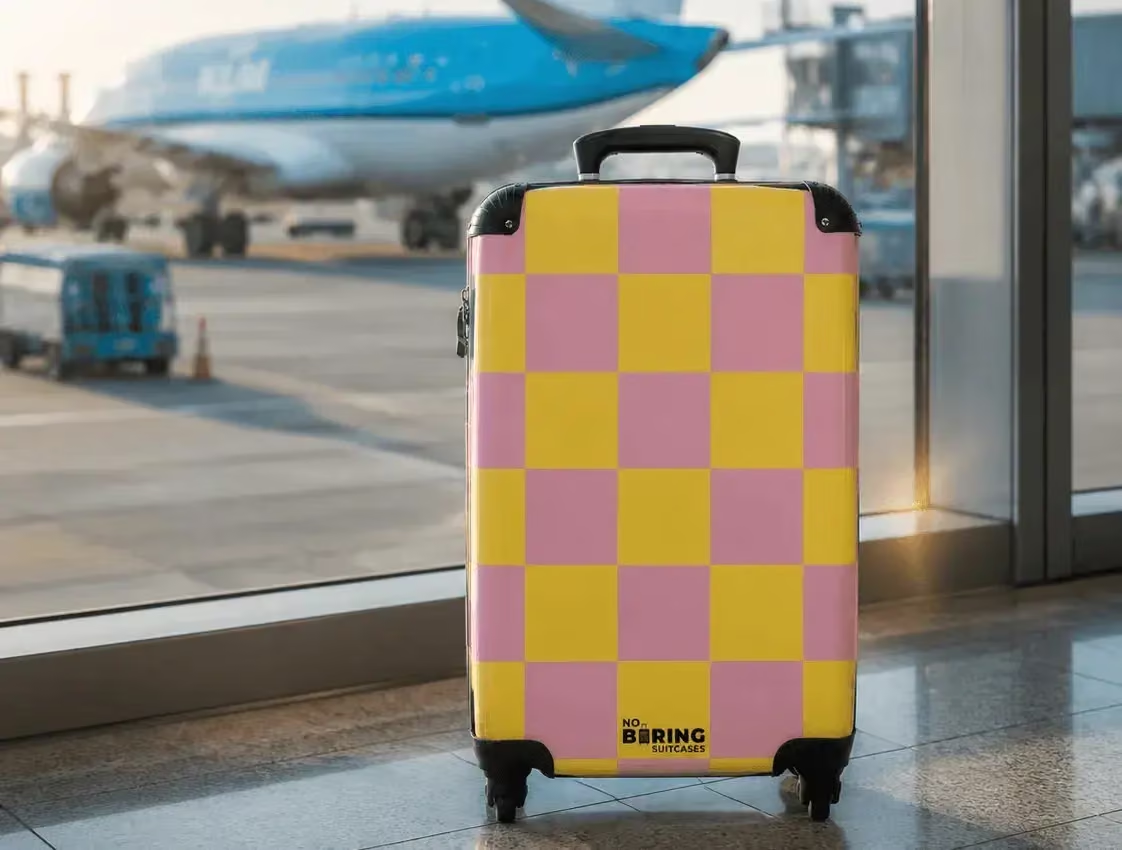
If maximum packing capacity within tight dimensions is the goal, the NoBoringSuitcases cabin suitcase is built for exactly that sweet spot: 55 × 35 × 25 cm with a 36 L capacity. That depth (25 cm) is where you win space without breaking the common “55 cm cabin case” rule, and it’s why this size tends to work across a wide range of carriers. The shell is high-quality polycarbonate, which matters in real travel: it resists cracking when a suitcase gets squeezed into an overhead bin that’s already full. At around 2.6 kg empty, you keep more of your airline weight allowance for actual clothes, shoes, and tech.
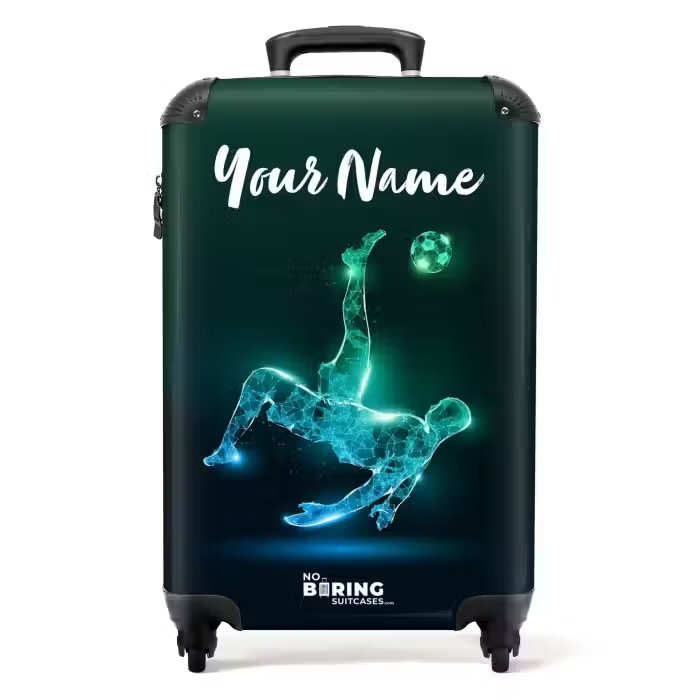
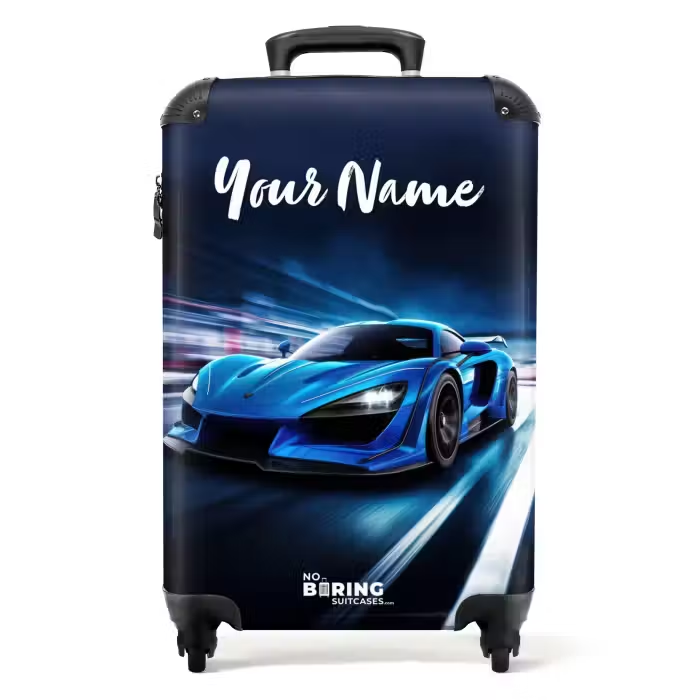
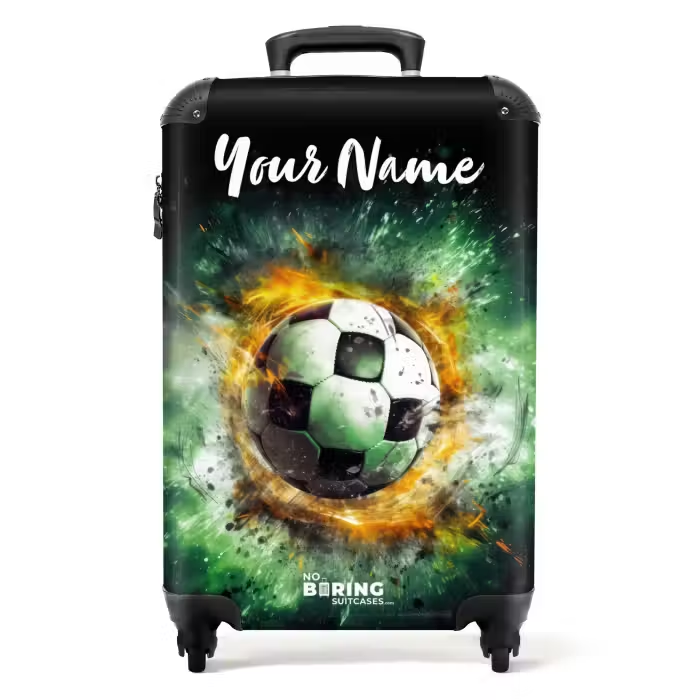
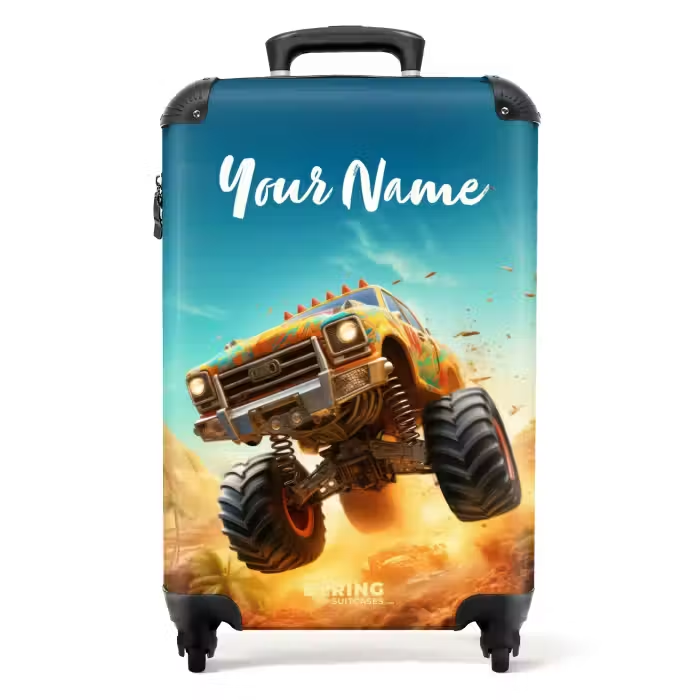
Inside, the layout focuses on staying organised rather than just being a hollow box, which helps you pack more tightly without creating bulges that push you over the sizer. Four 360-degree spinner wheels make it easy to move through UK stations and airports without dragging the case at an angle, and that reduces scuffs on the shell. If you want extra security for international trips, you can add an optional TSA combination lock, and you can order the case with or without a name and initials. You can browse the full range of Cabin Suitcases if you want the same size in different designs.

2. NoBoringSuitcases kids cabin suitcase (55 × 35 × 25 cm)
Travelling with children often means you need a proper cabin-size suitcase, not a toy that turns into a hassle at the gate. The NoBoringSuitcases kids cabin suitcase uses the same 55 × 35 × 25 cm footprint as the adult cabin case, so it’s built to work with typical overhead-bin sizing while still delivering real packing space. It’s made from polycarbonate or transparent PVC and polyester with a zip, depending on the version, so you can pick a sturdier hard-shell feel or a lighter, flexible zip style. For family travel in 2026, that choice matters because low-cost airline staff increasingly check whether bags keep their shape in the sizer.
The big advantage is recognisability: kids spot their case instantly, which reduces mix-ups at security and boarding. Designs range from animals and flowers to fully personalised versions, and you can add a name and initials so the case doesn’t get “borrowed” by accident on a school trip. The internal organisation helps keep small items (chargers, snacks, a spare top) from exploding across the suitcase when a child opens it. For options and designs, start with Kids cabin suitcases.

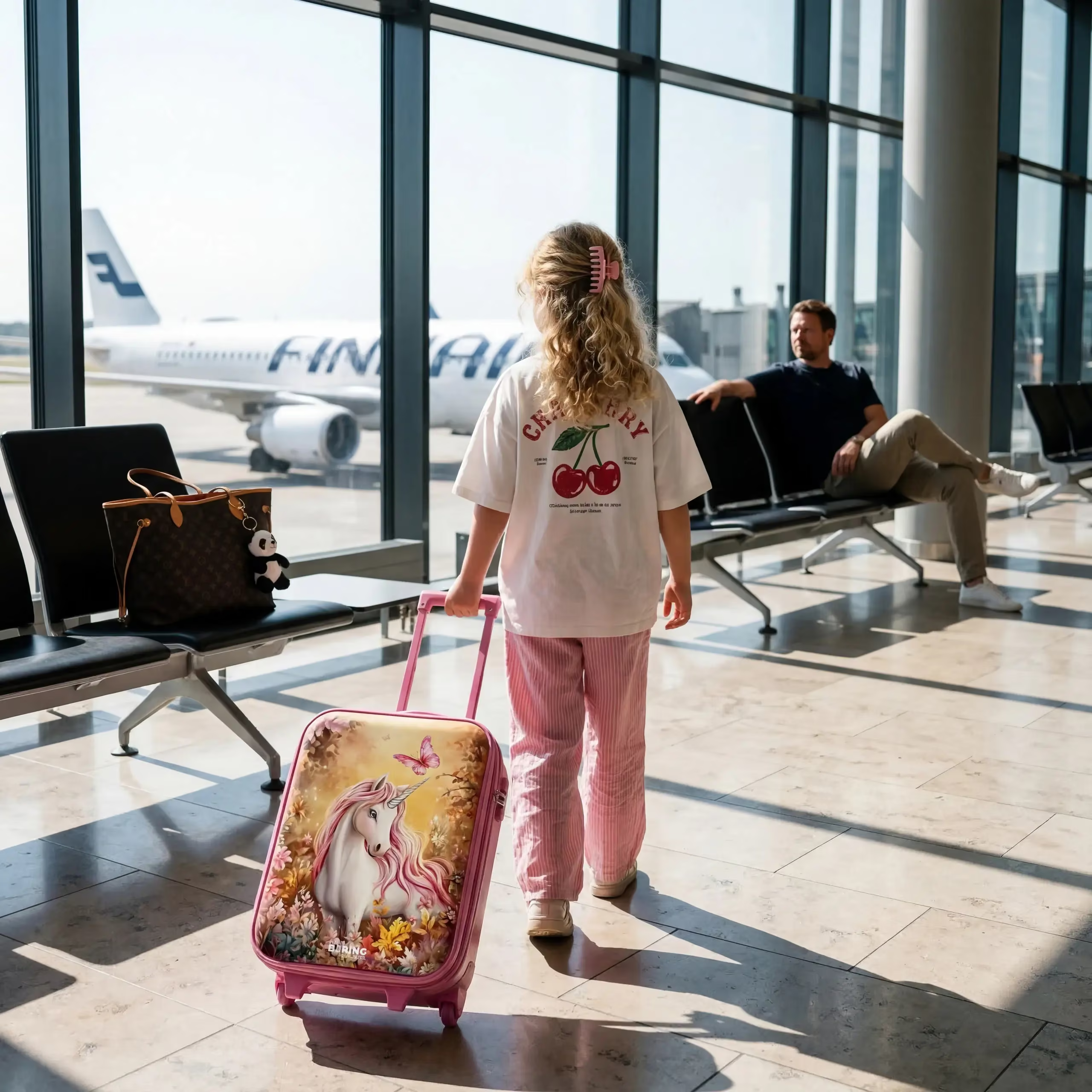
3. NoBoringSuitcases compact kids suitcase (31 × 19 × 48 cm)
If you want the most practical “child’s own bag” that still packs properly, the compact NoBoringSuitcases kids suitcase is a strong pick. It measures 31 × 19 × 48 cm, weighs about 1.6 kg, and holds 28 L, which is surprisingly usable for a weekend or for keeping a child’s essentials separate from the adults’ luggage. The standout feature is mobility: it has two wheels that light up automatically via a dynamo with LEDs. That means no batteries, no charging, and no airline restrictions around electronics in the wheels.
Two-wheel cases can be easier for smaller kids to control because they track straight and don’t swivel away in crowds. That’s useful in places like Gatwick or Manchester where foot traffic is tight and fast-moving. Colour options include black, blue, and pink, and the same design approach applies: easy to recognise, easy to keep personal. If you’re building a matching family set across sizes, it’s simple to jump from kids’ options to All suitcases and keep the look consistent.

4. Samsonite S’Cure Spinner 55
The Samsonite S’Cure Spinner 55 is a classic for travellers who prioritise durability and a structured hard-shell shape. It’s a good choice if you often fly with airlines that enforce sizer checks, because rigid shells don’t “cheat” by bulging out and then getting flagged at the gate. For packing capacity, it performs well for a 55 cm spinner, especially if you use packing cubes to compress bulkier items like knitwear. In 2026, this style still makes sense for frequent UK-to-Europe hops where overhead space can be limited on smaller aircraft.
The trade-off is that hard-shell spinners can lose usable space if the internal divider design is thick or if the shell curves inward. When you compare options, check the stated litre capacity rather than assuming all 55 cm cases hold the same. If you want the most space per centimetre, a squarer 55 × 35 × 25 style often beats more rounded silhouettes.


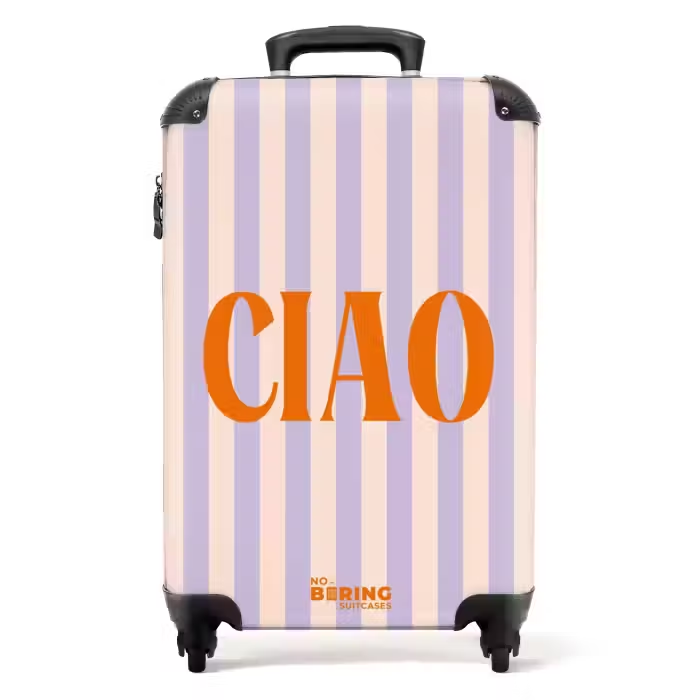
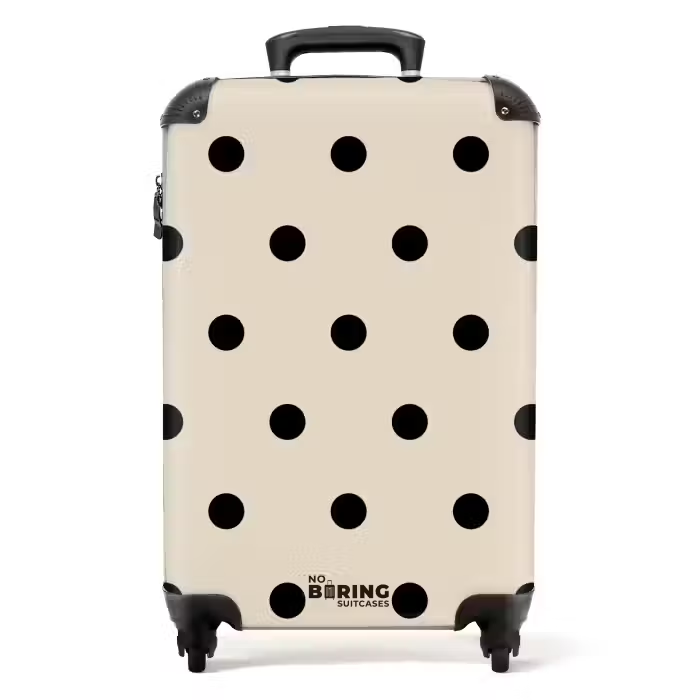
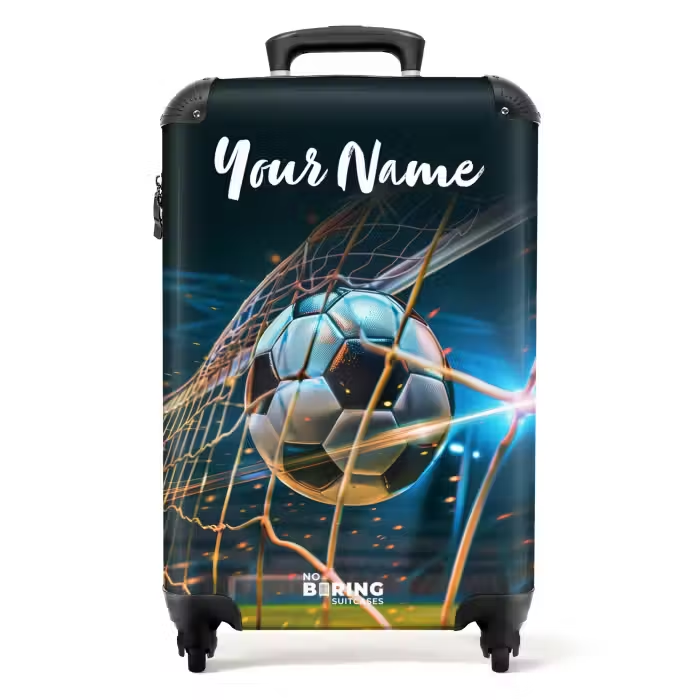
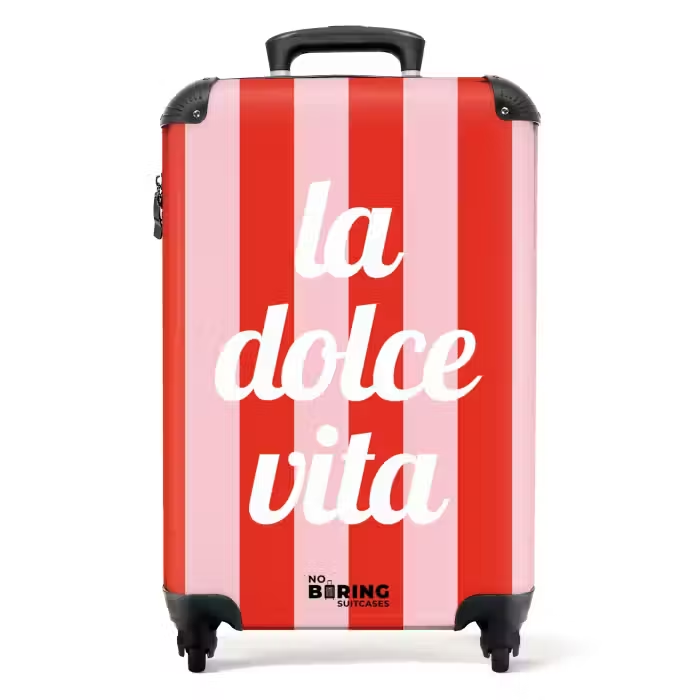
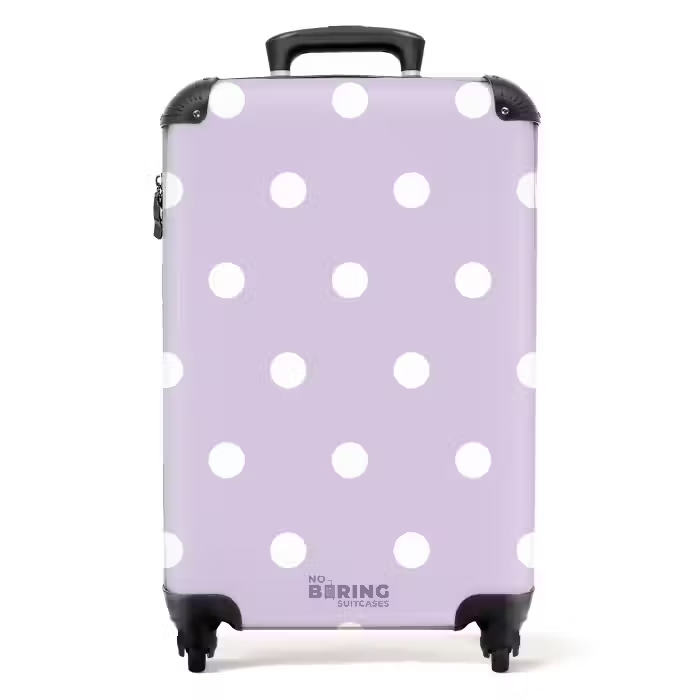
Popular cabin suitcases
Designed to slide into the overhead bin without any awkward flight attendant interactions
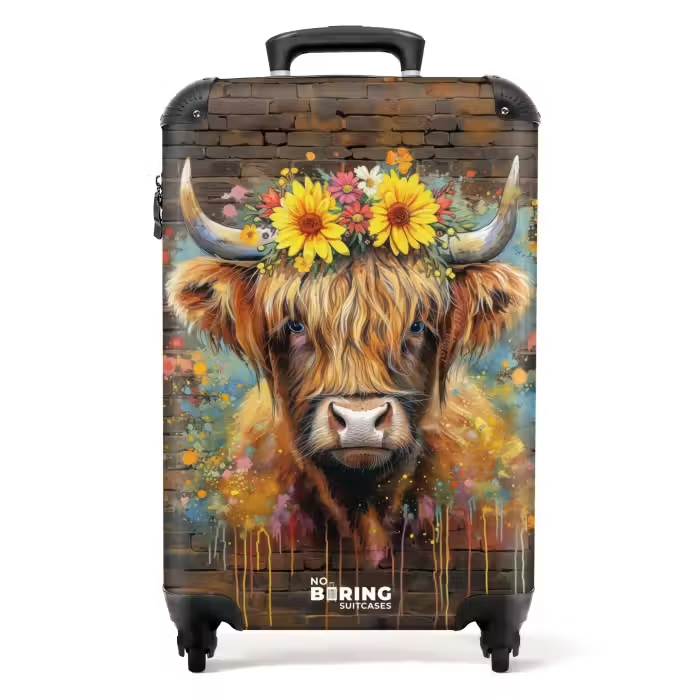
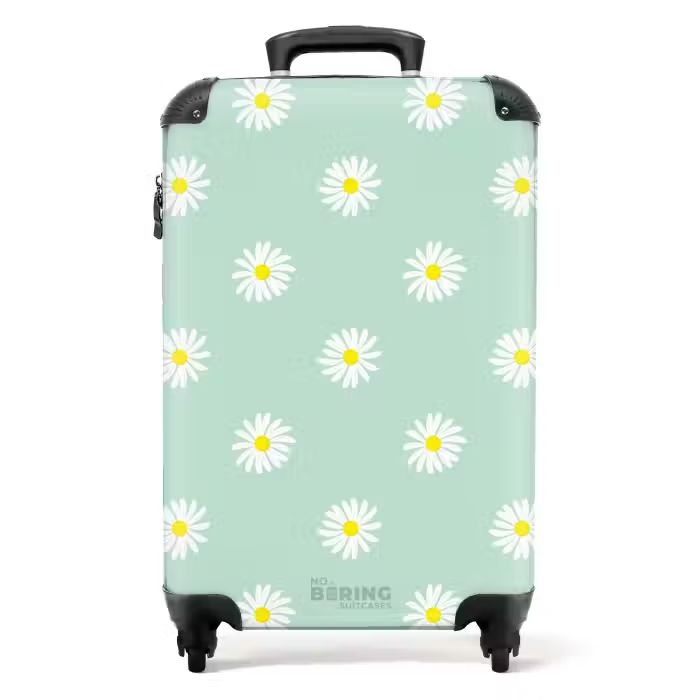
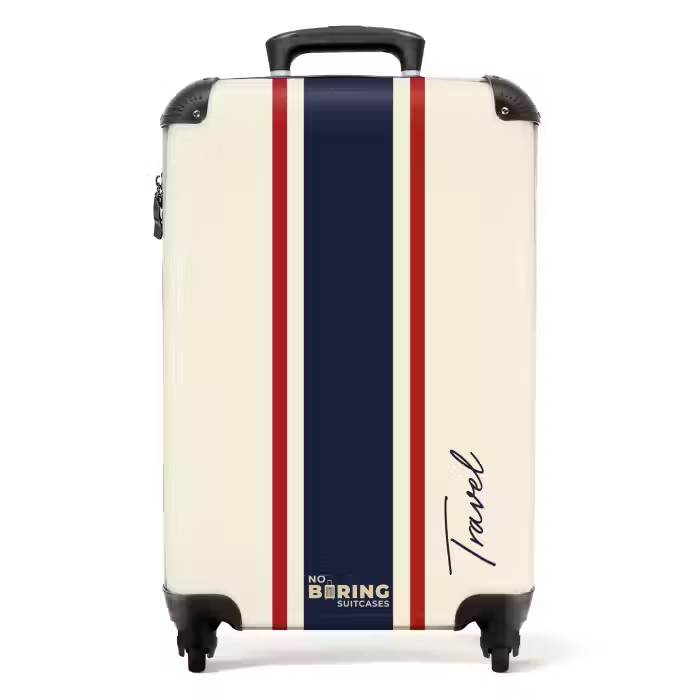
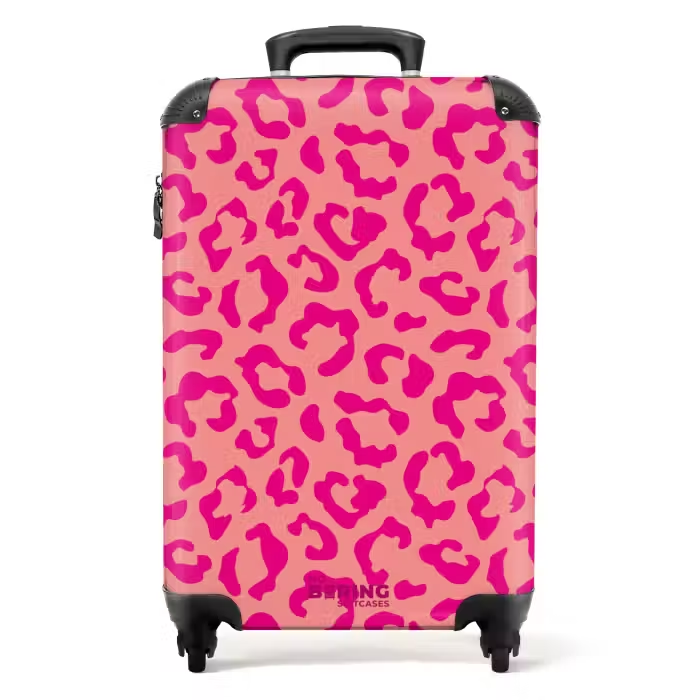


5. Travelpro Maxlite 5 International Carry-On
If you care about keeping your carry-on light, the Travelpro Maxlite 5 International Carry-On is built around weight savings. That matters on airlines with strict cabin weight limits, where a heavier suitcase can force you to leave items behind or wear extra layers just to get under the limit. Soft-sided cases also give you a bit of forgiveness when packing awkward shapes like trainers, toiletry bags, or a camera pouch. For many travellers, that flexibility translates into “more fits”, even if the official litre number looks similar.
The downside is that soft-sided luggage can be easier to overstuff, which increases the chance you fail a sizer test. If you choose a soft-sided model, pack to a firm, flat profile and keep the outer pockets from becoming a second suitcase. For travellers who want a structured, airline-friendly cabin size with a hard shell, it’s worth comparing against Cabin suitcases for adults.

6. Briggs & Riley Baseline Cabin Spinner
The Briggs & Riley Baseline Cabin Spinner is often chosen for build quality and a premium travel feel, especially by people who fly regularly for work. The big appeal is long-term durability: handles, wheels, and corner protection tend to be engineered for years of use rather than occasional holidays. For packing capacity, many premium cases use compression systems that help you flatten clothing and reduce wasted air between items. In practice, that can feel like gaining a few extra litres without changing the external size.
This type of suitcase makes the most sense if you travel often enough to justify the cost and you value a smooth roll across mixed surfaces like pavements, station platforms, and airport carpeting. If your priority is maximum capacity within strict 55 cm-style limits, compare external dimensions carefully, because “cabin” can still vary by a few centimetres between brands.


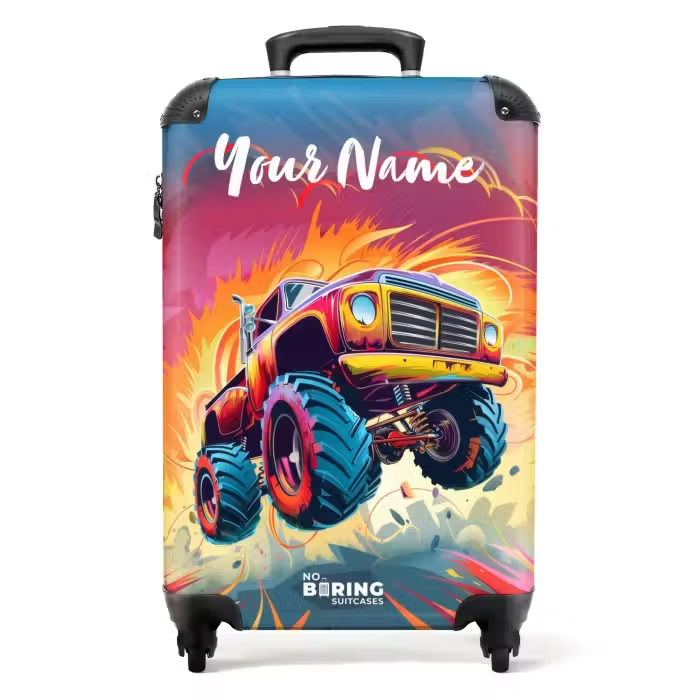
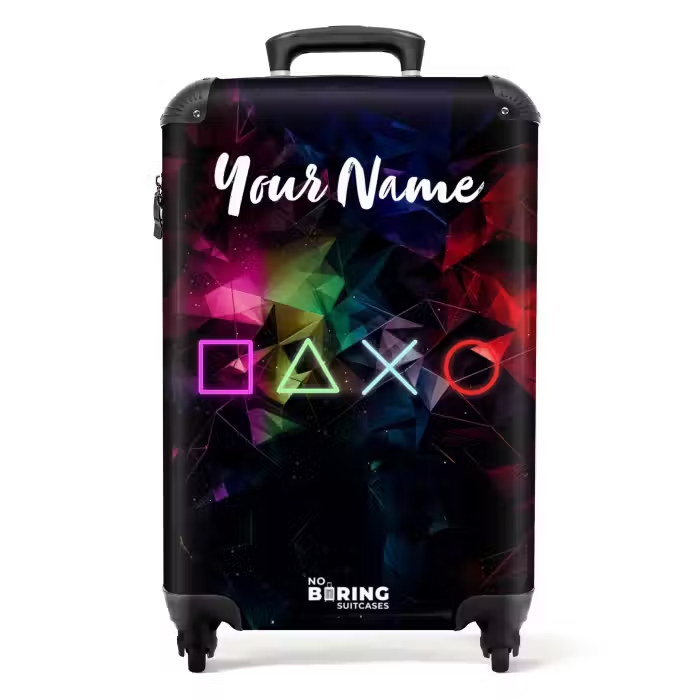
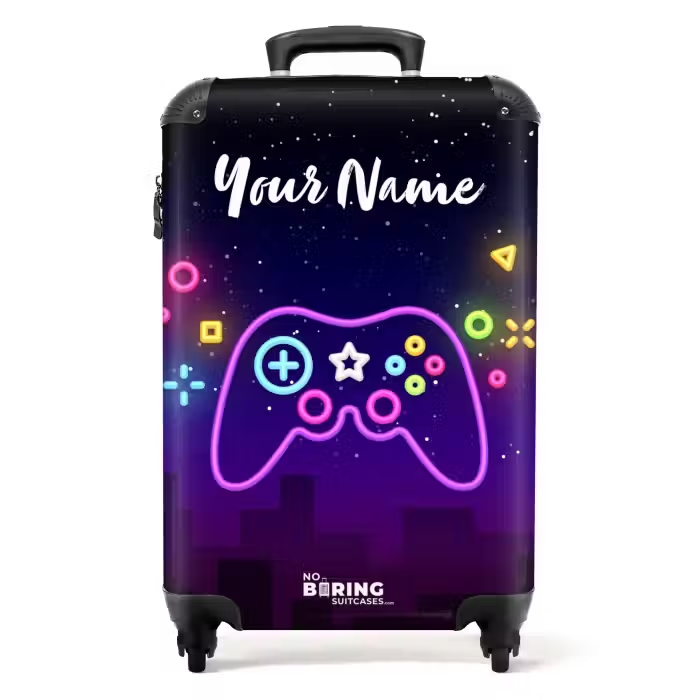
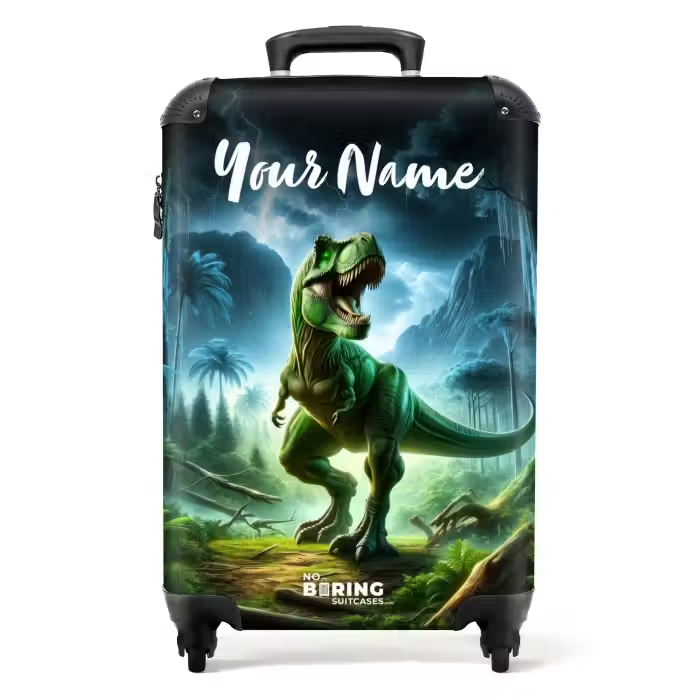
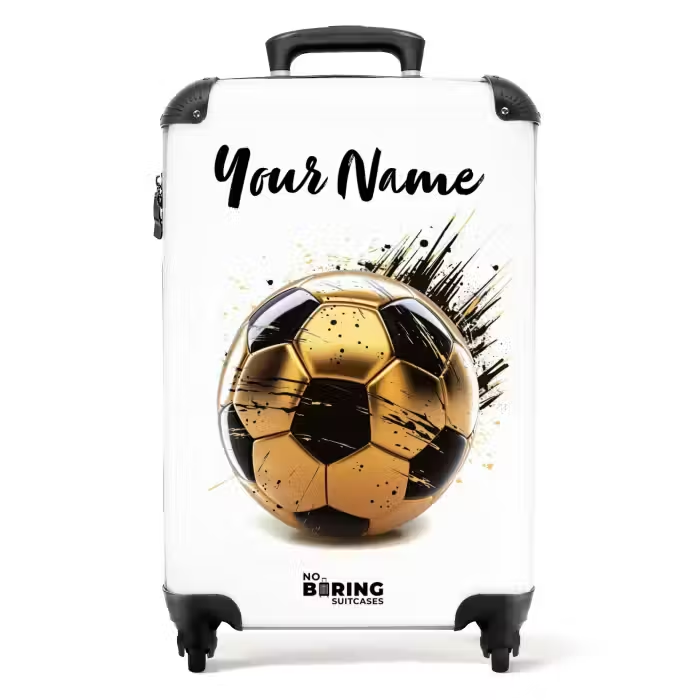
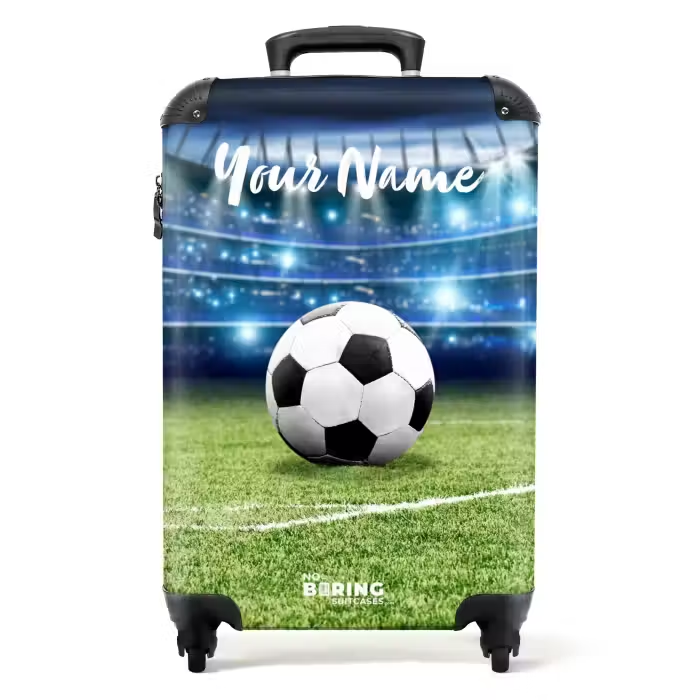
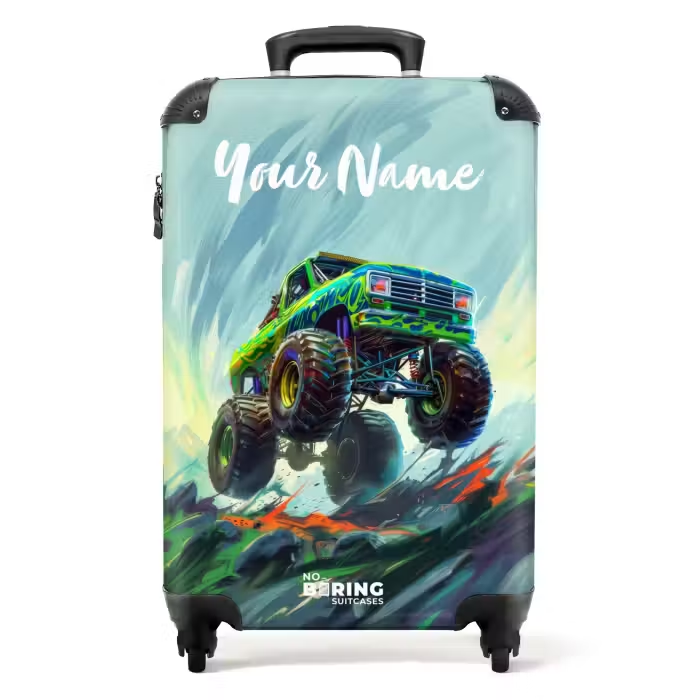
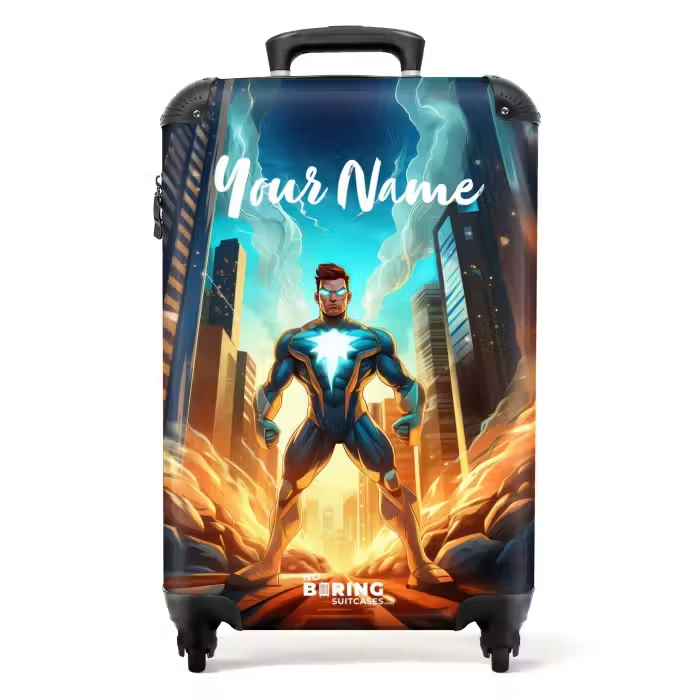
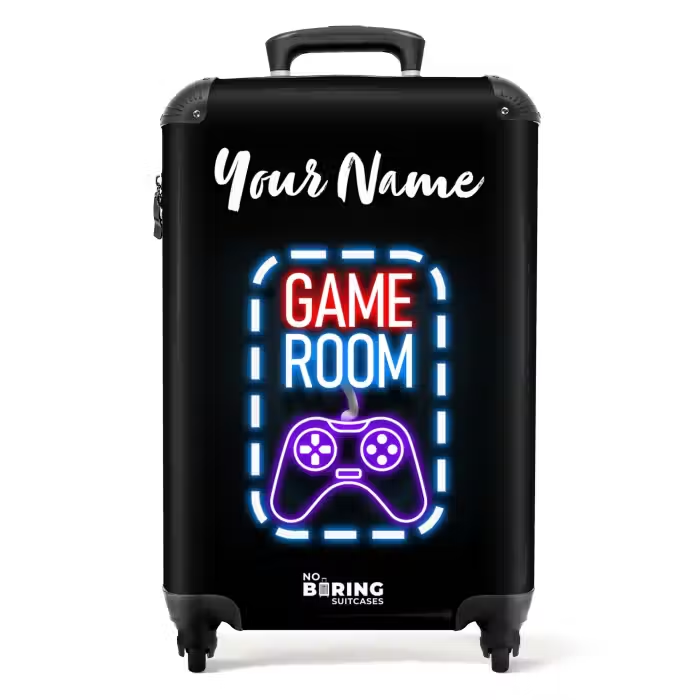
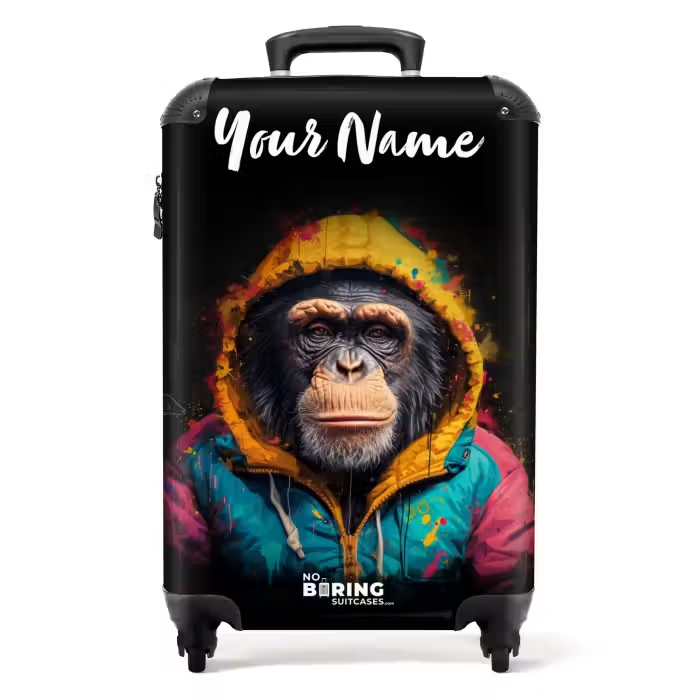
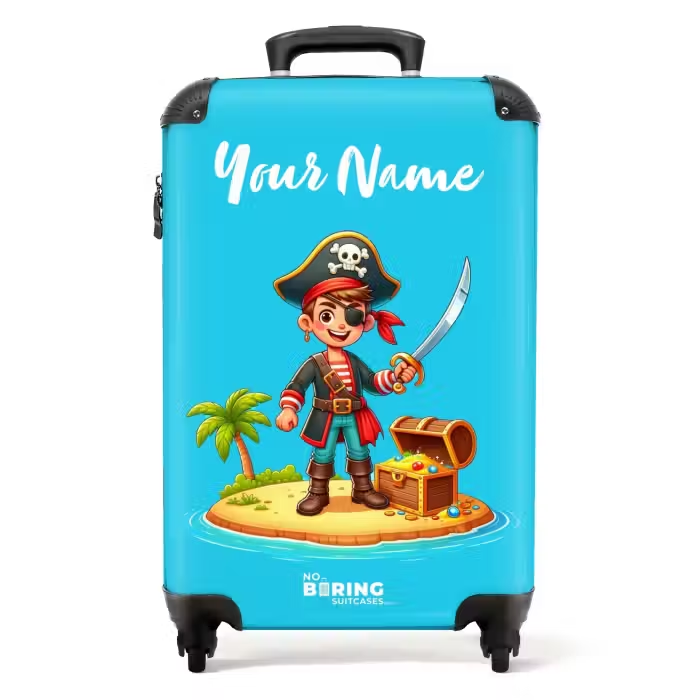
Popular cabin suitcases for boys
Because let’s be honest: waiting forty minutes for checked baggage is officially overrated
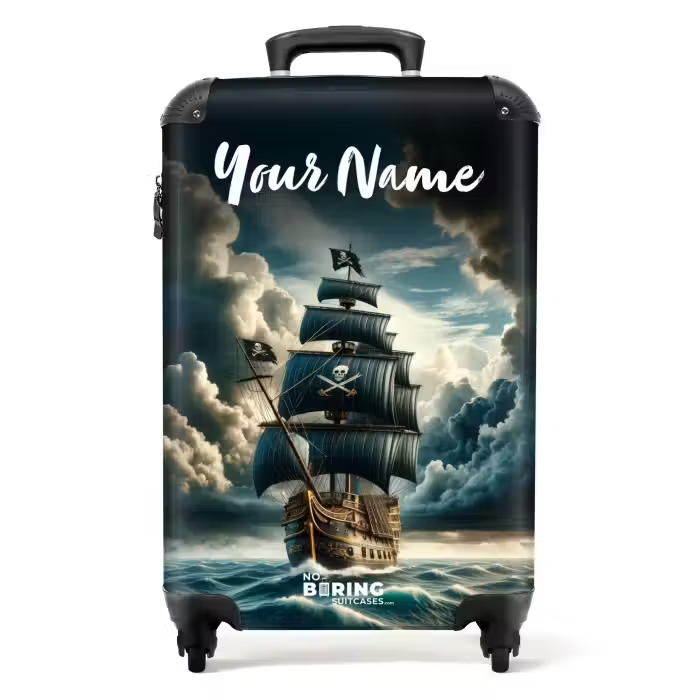
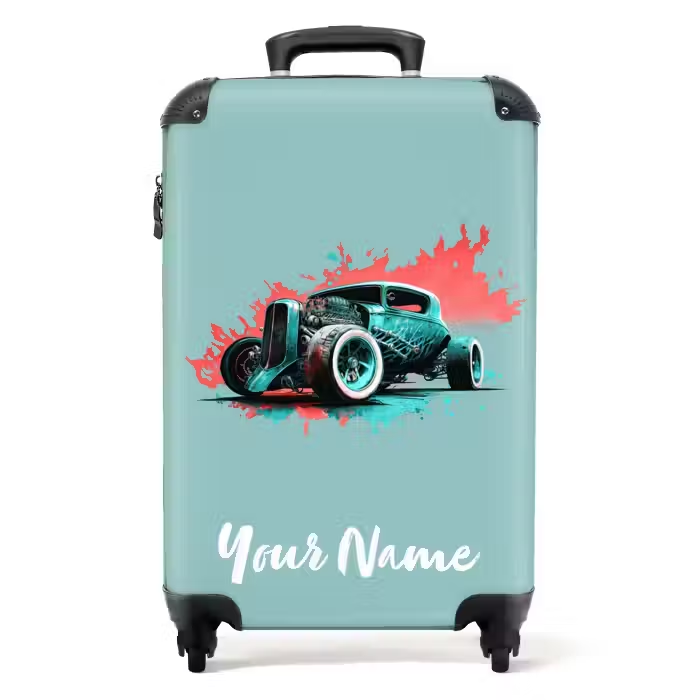
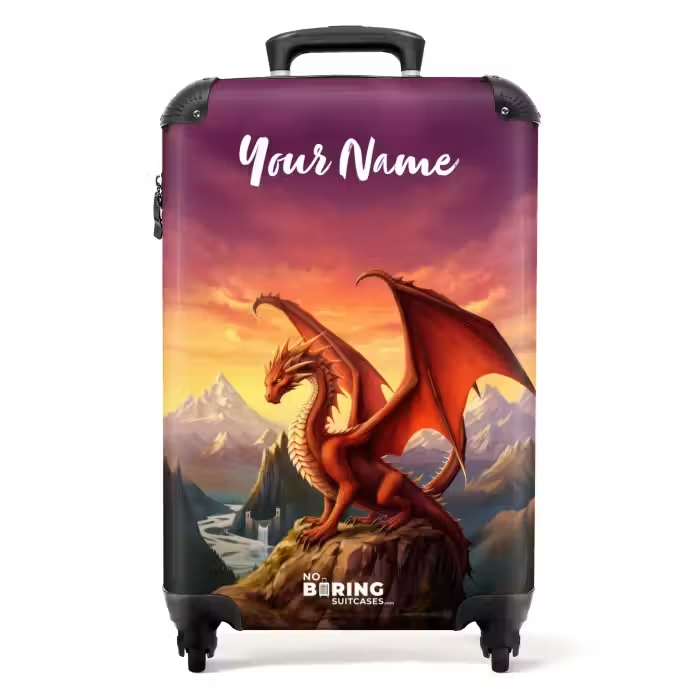
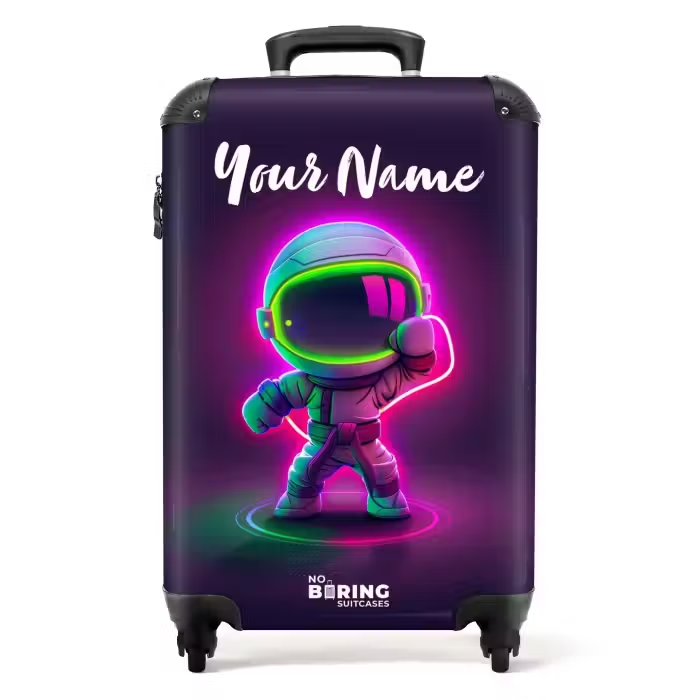


7. Antler Icon Cabin
Antler’s Icon Cabin range tends to hit a good balance between a modern look, practical organisation, and UK traveller expectations. For packing, a well-designed interior with a proper divider and compression straps can be the difference between closing the zip easily and sitting on the case to force it shut. That matters because an overstuffed carry-on often becomes oversized at the worst time: right at the gate. If you want to maximise capacity while staying within limits, aim for a case that packs square and closes without strain.
Another practical point is wheel quality. A cabin suitcase that tracks straight and doesn’t wobble lets you move faster through terminals and reduces the temptation to drag it on two wheels, which can wear down the corners. If you’re choosing between similar sizes, pick the one that rolls best when fully loaded.

8. Eastpak Tranverz S
The Eastpak Tranverz S is a strong option if you like a softer, duffel-like approach with a structured frame. Many travellers find this style easier to pack for short breaks because you can stack clothing in a more “bag-like” way and use the split compartments to separate clean and worn items. It’s also handy if you bring souvenirs back, because soft-sided luggage can adapt slightly to odd shapes. For UK city breaks, it’s a practical carry-on style that suits trains, coaches, and flights.
The compromise is protection: soft-sided fabric won’t shield fragile items as well as polycarbonate. If you carry tech, consider using a protective sleeve and placing it centrally, surrounded by clothing. If you want a hard-shell cabin case with custom designs that stays easy to spot on the carousel when it does get checked, a personalised option like Suitcase own photo can be a smart alternative.


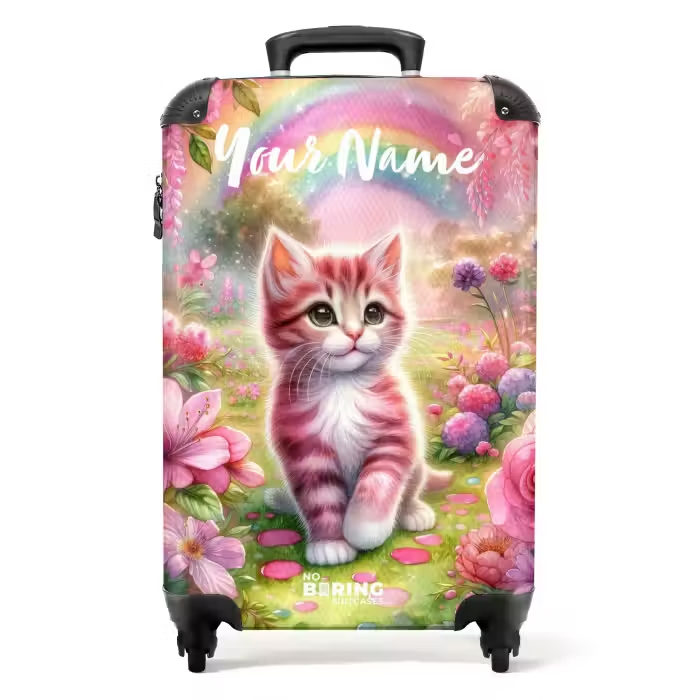
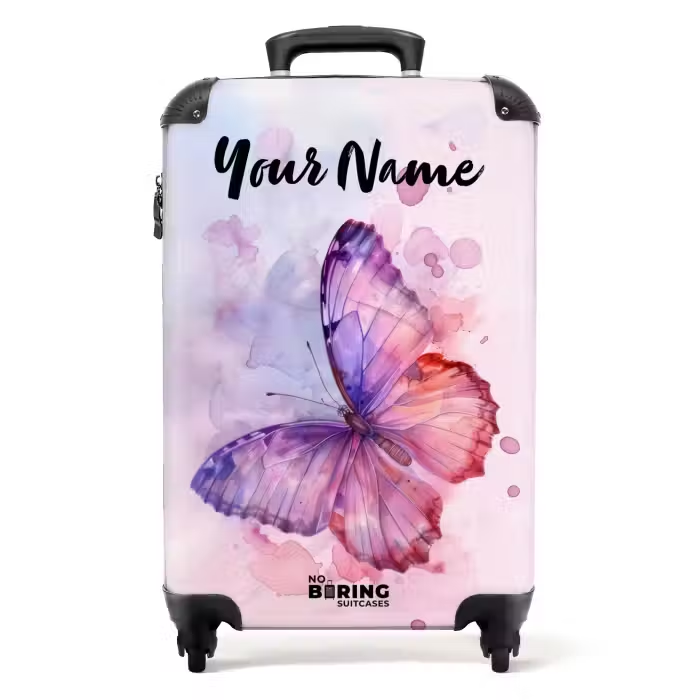
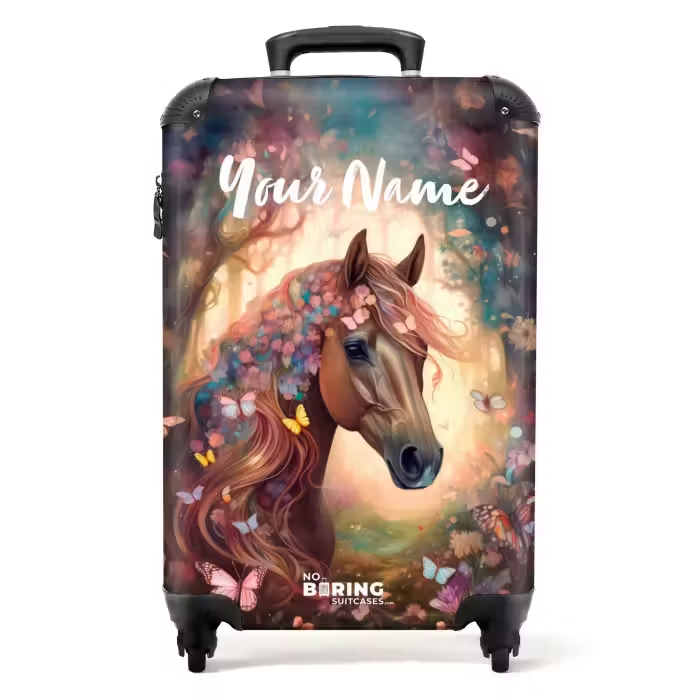
Popular cabin suitcases for girls
Just pack, roll, and pretend you always travel this effortlessly light
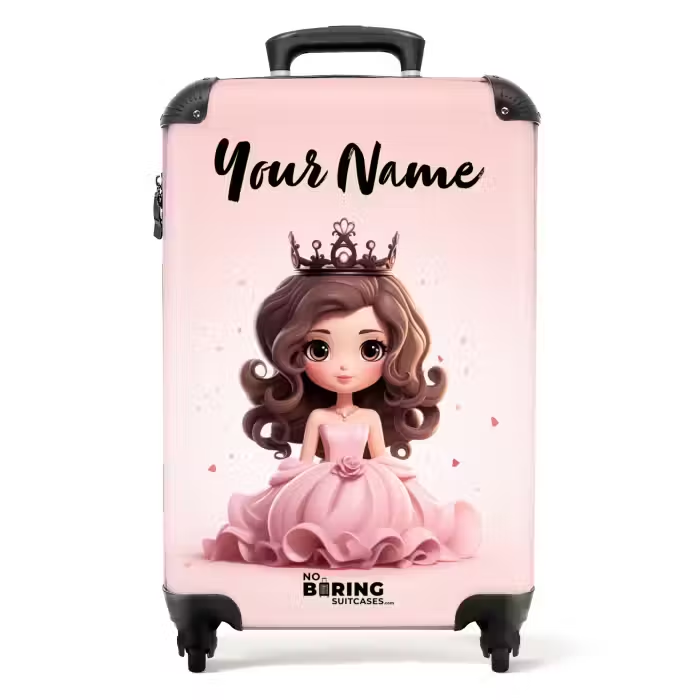
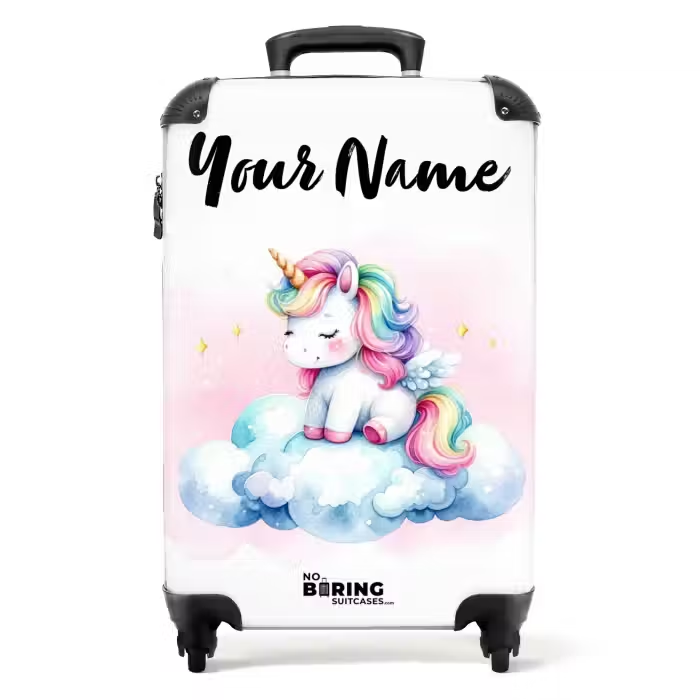
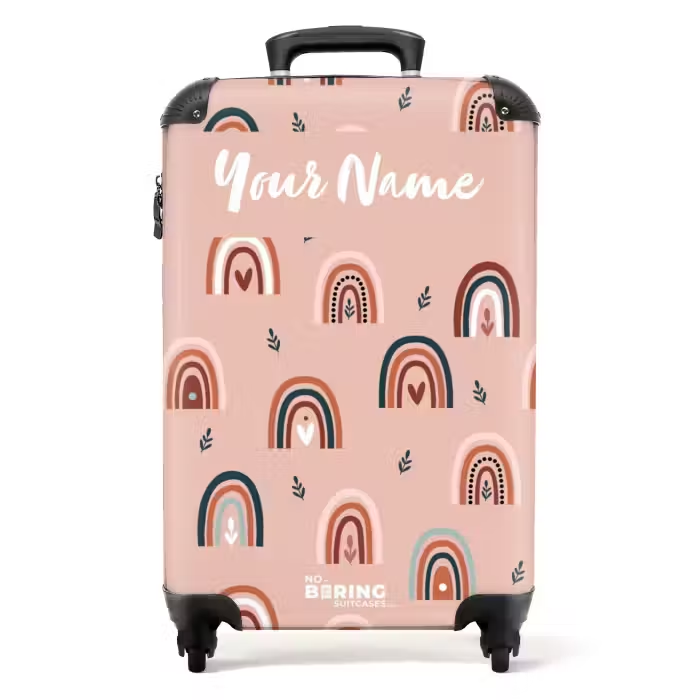
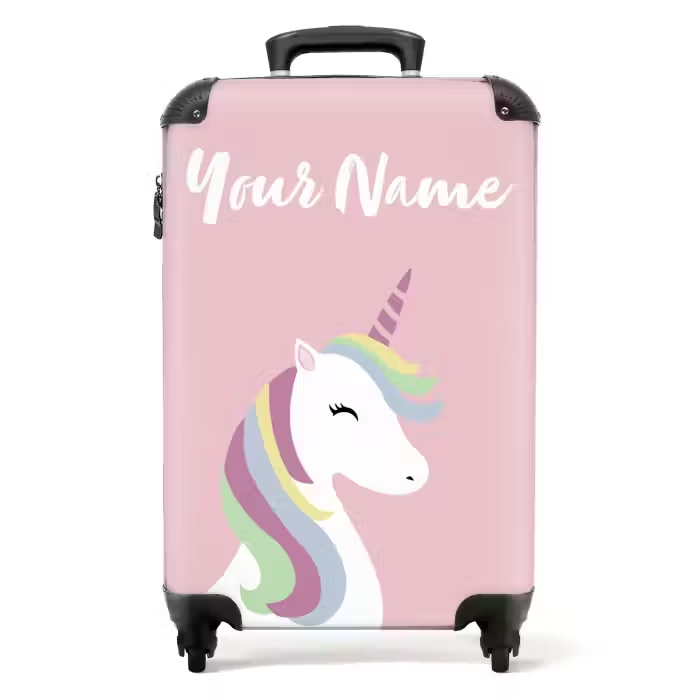
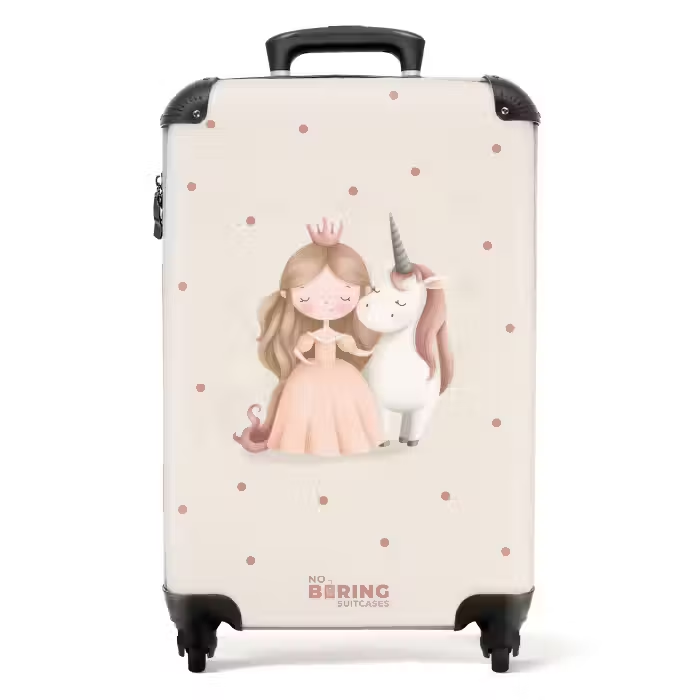
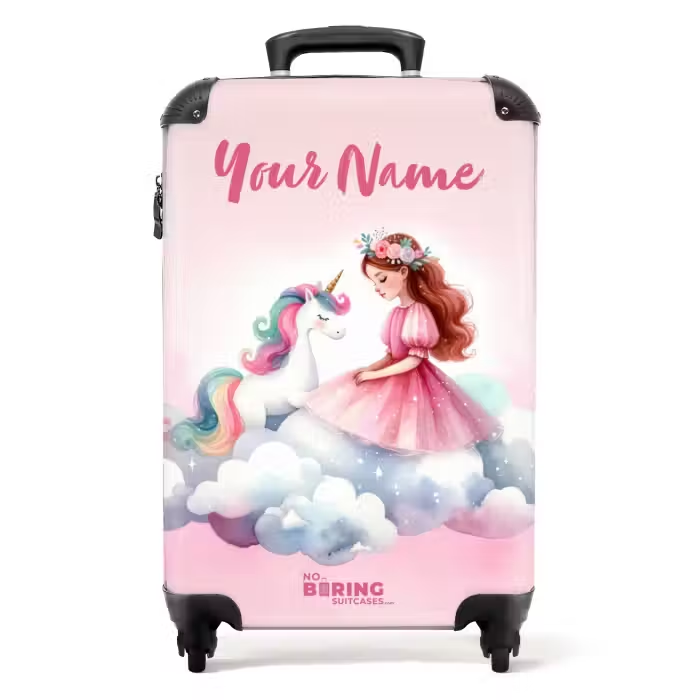
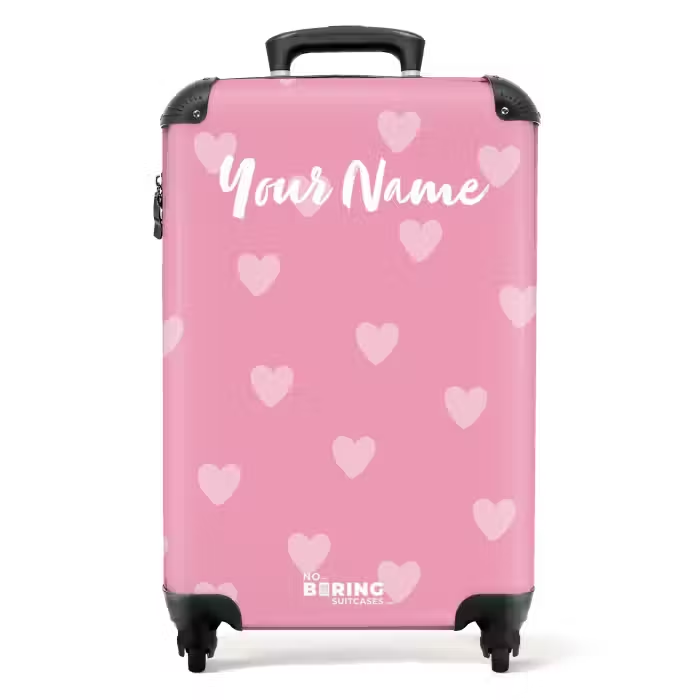
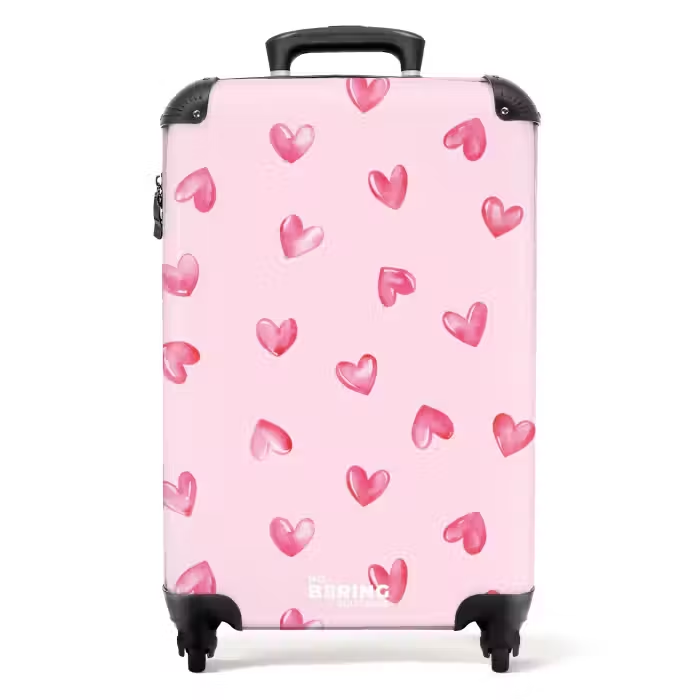


9. Cabin Max Metz 55 × 40 × 20
If your main goal is passing airline sizer checks on stricter low-cost carriers, a 55 × 40 × 20 style case like the Cabin Max Metz can be a safe bet. The key here is depth: 20 cm is slimmer than many modern spinners, so you lose packing volume, but you gain peace of mind on airlines that are strict about depth. This is often the better choice for minimalist packers who travel with lighter clothing and rely on laundry at their destination.
To make a slimmer case work, pack vertically with tight folds and use compression cubes. Also keep shoes to one pair and choose items that layer well. If you regularly travel for 3–5 days and want to avoid checking a bag, the extra depth of a 25 cm case can be the difference between packing comfortably and packing like a puzzle.

10. American Tourister Soundbox Cabin
The American Tourister Soundbox Cabin is popular for travellers who want a hard-shell spinner with a bit of style and a more forgiving packing experience. Many versions expand, which can be useful on the return journey, but expansion is also where airline compatibility can break down fast. If you buy an expandable cabin suitcase, treat it as a “backup feature”, not a default setting, unless you know your airline allows the expanded depth. For capacity, an expandable case can feel generous, but only when you’re not constrained by a strict sizer.
For 2026 travel habits, expansion works best for trips where you fly out with a strict airline but return with a more flexible one, or where you expect to check the bag on the way home. If you mostly fly budget airlines from the UK, a non-expandable, fixed-size cabin case is usually the safer choice.


What is the best carry-on suitcase for easyJet?
For easyJet, the best carry-on suitcase depends on whether you mean the free underseat bag or the paid overhead cabin bag. If you’ve paid for an overhead bag, a 55 cm cabin suitcase is typically the target, but you still need to check your specific fare because allowances can change. To maximise packing capacity while keeping a clean, sizer-friendly shape, choose a structured case that closes flat and doesn’t rely on overstuffed front pockets.
If you want a simple rule that avoids gate stress, do this:
- Check your booking for the exact dimensions and weight allowance before you pack.
- Pack the case so the front and back panels stay flat, with no bulging seams.
- Avoid using expansion unless you’re sure it remains within the limit.
- Keep a foldable tote inside in case staff ask you to redistribute items.
Which carry-on suitcase holds the most?
The carry-on suitcase that holds the most is usually the one that uses the maximum allowed depth while staying within the airline’s size box. In practice, that often means a 55 cm cabin case that’s around 25 cm deep rather than 20 cm deep, because those extra 5 cm add meaningful volume. Litre capacity is the number to compare, but shape matters too: squarer cases tend to pack more efficiently than rounded shells.
Here’s how to get maximum real-world capacity without getting stopped at the gate:
- Choose a case with a stated capacity you can verify (for example, 36 L at 55 × 35 × 25 cm).
- Prefer a rigid polycarbonate shell if you tend to pack tightly and want a consistent shape.
- Use compression cubes and keep heavy items near the wheels for better balance.
- Avoid thick internal linings that steal space, especially on both sides of split-compartment designs.
Do 4-wheel or 2-wheel carry-ons fit better?
Two-wheel carry-ons can fit better in tight overhead bins because the wheels are often recessed and the case can be slightly more rectangular at the base. They also tend to handle kerbs and rough pavements better because you pull them behind you at an angle. Four-wheel spinners, though, are easier to manoeuvre in airports, trains, and queues, and they reduce wrist strain because you can push them upright.
Fit comes down to external dimensions, not wheel count, but wheel design can add a sneaky centimetre. When you’re choosing, check whether the wheels stick out beyond the stated measurements. If a suitcase is already close to the limit, that wheel protrusion is what gets you flagged in a sizer.
Ready to maximise carry-on space without breaking airline limits?
What matters most when choosing the best carry-on suitcase in the UK comes down to this:
- Pick a cabin size that uses depth wisely, because depth drives packing volume more than most people expect.
- Keep the external shape sizer-friendly, especially if you fly low-cost airlines that check bags at the gate.
- Choose polycarbonate if you want a rigid, protective shell that keeps its shape when fully packed.
- Prioritise internal organisation so you can pack tight without bulges and still find items quickly.
- Make your case easy to spot with a distinctive design, name/initials, or even a sharp personal photo print.
NoBoringSuitcases offers cabin cases designed for maximum usable space at 55 × 35 × 25 cm, plus matching sizes for longer trips and kids. Explore designs and sizes across All suitcases and choose the carry-on that fits how you actually travel in 2026.

A 55 cm cabin suitcase is widely accepted, but acceptance still depends on the airline and your ticket type. Always check both the size and weight limit for your specific booking, because budget airlines can vary by fare. Pack so the case stays flat and doesn’t bulge beyond its frame.
Polycarbonate is better if you want a rigid shell that protects contents and keeps a consistent shape in a sizer. Fabric can be better if you want flexibility for awkward items and external pockets. For strict size enforcement, rigid shells often reduce surprises at the gate.
Use compression cubes, roll softer items, and place bulky pieces (like shoes) at the base near the wheels. Keep liquids and chargers in one slim pouch so you don’t create lumps. Stop packing when the case closes easily without forcing the zip.
Light-up wheels are usually fine if they don’t use batteries or removable electronics. A dynamo-powered LED wheel system generates light from motion, so it avoids battery restrictions. If you’re unsure, check the airline’s cabin baggage policy, but dynamo lighting is typically low-risk.
Choose expandable only if you know your airline allows the expanded depth, because expansion is where cabin bags often become non-compliant. For frequent low-cost UK flights, a fixed-size cabin case is usually the safer option. Expansion is most useful when you’re happy to check the bag on the return leg if needed.