
10 Best Lightweight Suitcases in the UK (Under 3 kg)


Which is the best lightweight suitcase in the UK?
For the best lightweight suitcase in the UK, start with models under 3 kg that still pass real-world durability checks: a stiff polycarbonate shell, a wobble-free telescopic handle, and wheels that track straight when fully packed. This guide covers 10 genuinely lightweight options (including cabin and kids’ sizes), plus what to look for when you care about frame strength and handle reliability. These are the 10 picks:
- NoBoringSuitcases Cabin suitcase (55 x 35 x 25 cm)
- NoBoringSuitcases Kids compact light-up suitcase (31 x 19 x 48 cm)
- NoBoringSuitcases Kids cabin-size suitcase (55 x 35 x 25 cm)
- Polycarbonate cabin spinner (2.4–2.8 kg)
- Aluminium-frame hybrid cabin case (2.7–3.0 kg)
- Softside cabin case with reinforced base (2.2–2.6 kg)
- Underseat lightweight case (1.8–2.2 kg)
- Lightweight weekender suitcase (2.9–3.0 kg)
- Ultra-light shell cabin case (2.0–2.3 kg)
- Minimalist business cabin case (2.6–2.9 kg)

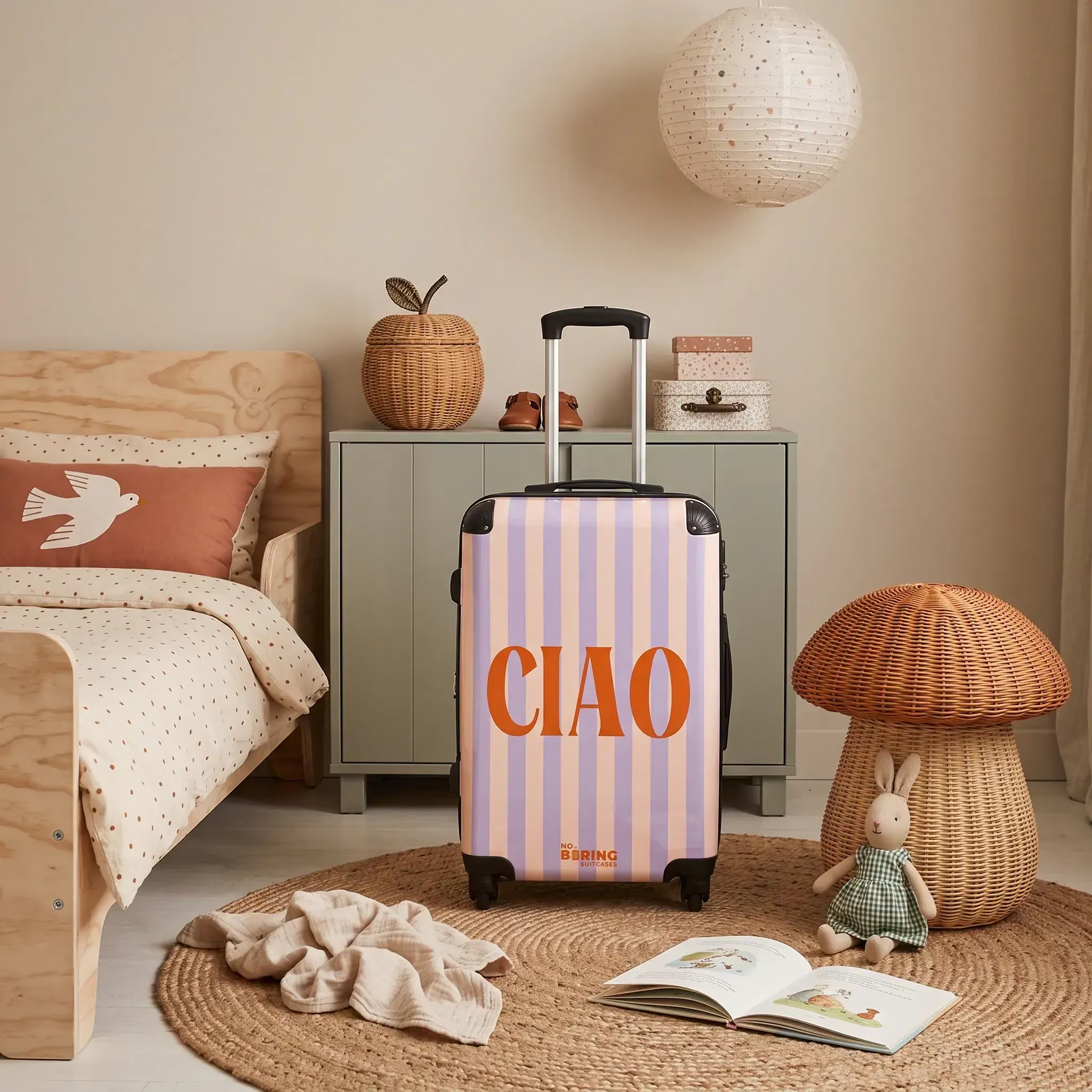
1. NoBoringSuitcases Cabin suitcase (55 x 35 x 25 cm)
At 2.6 kg (empty), this cabin suitcase is light enough to keep you comfortably under most airline cabin weight limits once packed, while still feeling like a proper hard-shell case. The shell uses high-quality polycarbonate, which matters because it flexes under impact rather than cracking the way brittle plastics can. The 55 x 35 x 25 cm size is designed to be accepted as cabin luggage by nearly every airline, so you can travel without playing last-minute gate-check roulette. If you want to browse similar sizes, start with Cabin Suitcases.
Handle reliability is where many lightweight cases fail first, especially when you’re rushing across a station concourse with a laptop and a heavy coat on top. This model focuses on stable mobility with four 360° spinner wheels, so it tracks predictably even when you overpack one side. Inside, the layout keeps items separated so the case doesn’t become a shifting, handle-twisting load. Add the optional TSA combination lock if you want the extra security without faffing with padlocks.

2. NoBoringSuitcases Kids compact light-up suitcase (31 x 19 x 48 cm)
At 1.6 kg (empty), this compact kids’ suitcase is one of the few genuinely lightweight options that still survives kerbs, train gaps, and the way children drag luggage sideways. The standout durability feature is surprisingly simple: the two wheels light up via a dynamo with LEDs, so there are no batteries or electronics to fail or cause airline restrictions. That means fewer break points, and it stays reliable even after a wet walk to the car park. For current designs and colours, check Kids suitcases.
The 28 L capacity works well for a long weekend, school holiday, or as a child’s “own stuff” case inside the family boot. You can choose black, blue, or pink, with designs ranging from animals and flowers to fully personalised versions. Because kids’ luggage gets mixed up constantly at clubs and camps, adding a name and initials is more than cosmetic: it prevents the classic end-of-trip suitcase swap.

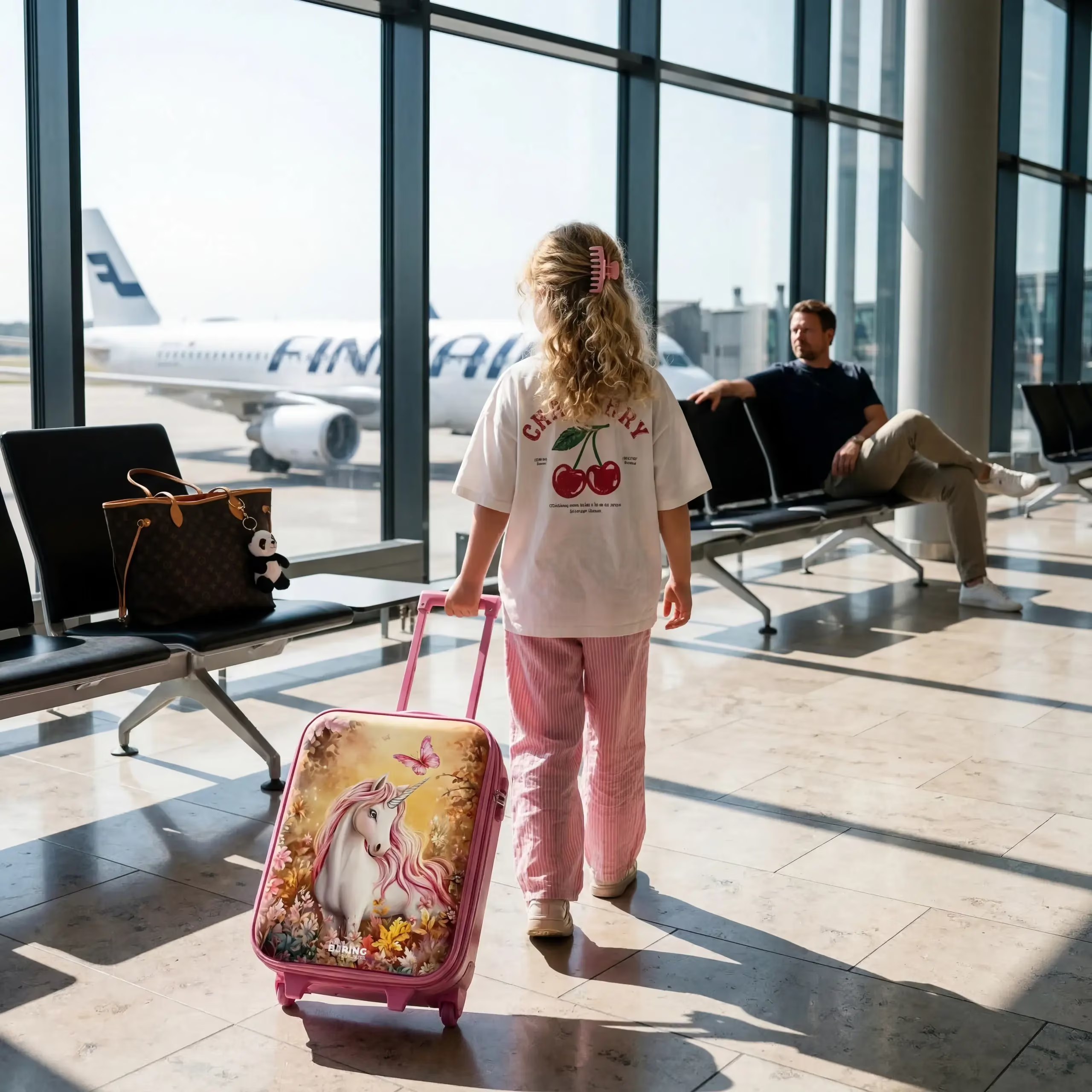
3. NoBoringSuitcases Kids cabin-size suitcase (55 x 35 x 25 cm)
At around 2.6 kg (empty) in cabin size, this kids’ option makes sense when you want one suitcase size that can grow with them and still fit airline cabin rules. Depending on the design, it’s made from polycarbonate or from transparent PVC and polyester with a zip closure, so you can prioritise shell toughness or a lighter, flexible build. The big win is familiarity: the size matches a standard cabin case, so packing habits transfer straight into teenage travel. If you’re comparing across the full range, All suitcases is the quickest overview.
For durability, pay attention to the parts children stress most: corners, zips, and handles. A good kids’ cabin case should roll without needing to be dragged at an angle, because that’s when handles loosen and shells twist. Go for a design that’s easy to spot on a carousel or in an overhead locker, and consider personalisation so it comes back from school trips with the right owner.

4. Polycarbonate cabin spinner (2.4–2.8 kg)
At 2.4–2.8 kg (empty), a polycarbonate cabin spinner is the safest “light but not flimsy” category for most travellers. Polycarbonate earns its keep when baggage handlers treat your case like a football: it flexes and rebounds rather than shattering. Look for a shell that doesn’t oil-can (that pop-in/pop-out denting) when you press the centre of the panel with your palm. In 2026, many decent models also include corner bumpers without pushing the weight over 3 kg.
To judge handle reliability, extend the telescopic handle fully and twist it gently left-right; you want minimal play and no rattling. Then load the case roughly as you would for a three-day trip and roll it one-handed on a rough pavement. If it drifts, chatters, or the handle shimmies, it’ll feel worse at an airport when you’re walking faster and carrying a coffee.


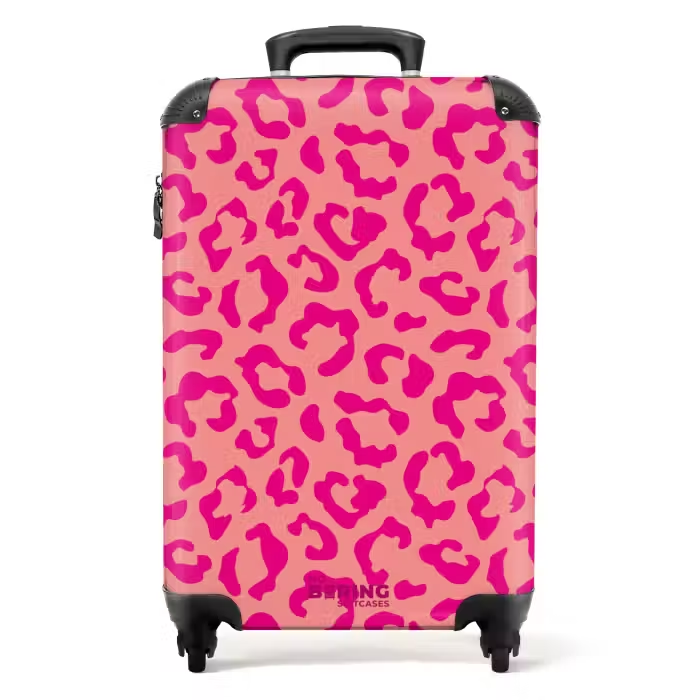
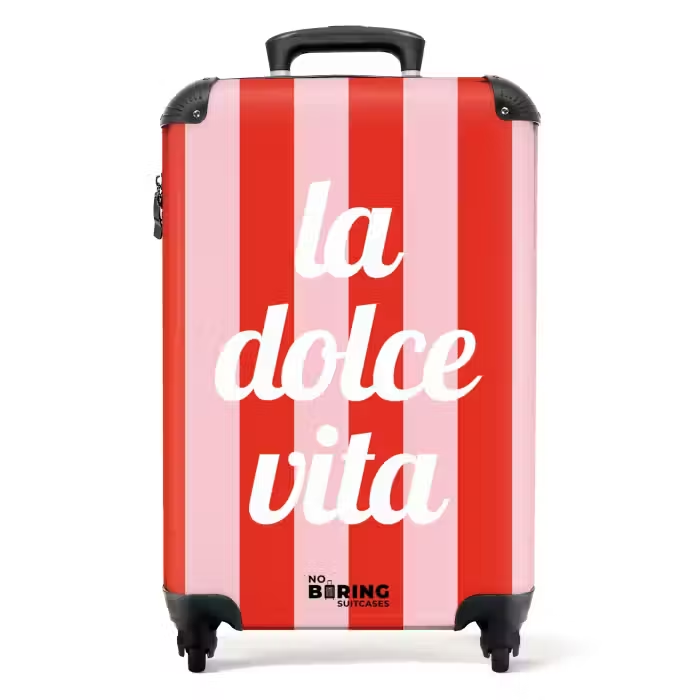
Popular cabin suitcases
Designed to slide into the overhead bin without any awkward flight attendant interactions
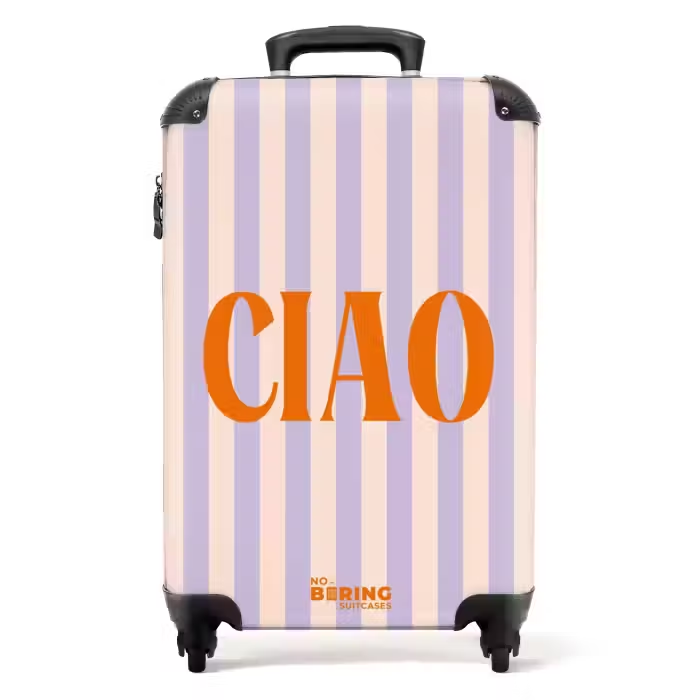
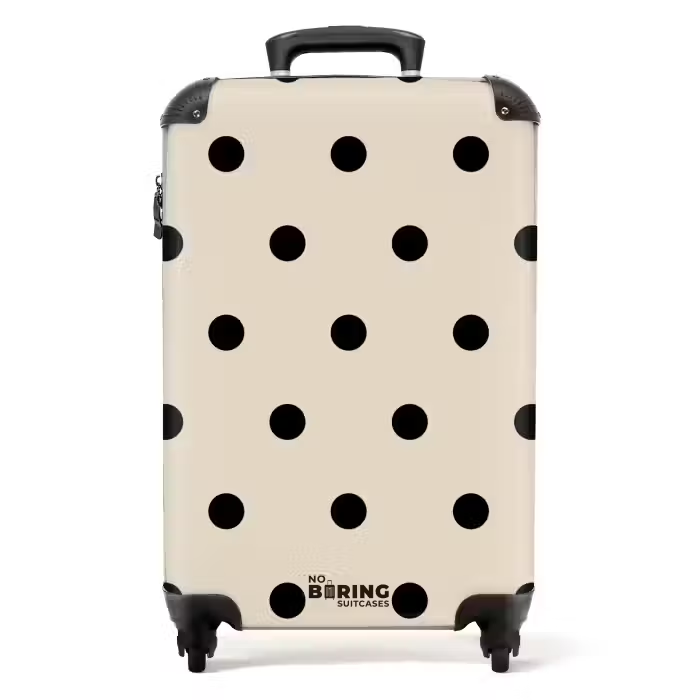


5. Aluminium-frame hybrid cabin case (2.7–3.0 kg)
At 2.7–3.0 kg (empty), an aluminium-frame hybrid is for travellers who want a stronger perimeter without the weight of a full metal suitcase. The hybrid idea is simple: a lighter shell paired with a rigid frame that protects the zip line (often the first failure point on lightweight luggage). If you travel with fragile items like camera gear or you regularly cram your case into a packed train luggage rack, this extra stiffness helps. The trade-off is that frames can reduce “give”, so you must pack a little more neatly.
Check the latches or frame closure for alignment: it should shut smoothly without needing to force it. A good hybrid also has a handle mount that feels anchored, not floating, because the frame transfers stress into the body. If the handle attachment flexes, the frame won’t save you from long-term wobble.

6. Softside cabin case with reinforced base (2.2–2.6 kg)
At 2.2–2.6 kg (empty), a softside cabin case can be a smart lightweight buy if it’s built around a reinforced base and a rigid back panel. Softside luggage often wins on weight and pocket access, but it can sag, which makes wheels and handles work harder. Choose a model with a sturdy skid plate or base rails so you can set it down on wet platforms without grinding fabric into the ground. In practice, this is the difference between a case that lasts two seasons and one that lasts five.
For handle reliability, look for a handle tube that disappears into a protected channel rather than being exposed. Exposed tubes pick up dents, and once they dent, the handle starts sticking. If you want softside, prioritise a strong zip, a firm base, and wheels that don’t feel like they’re borrowed from a toy trolley.


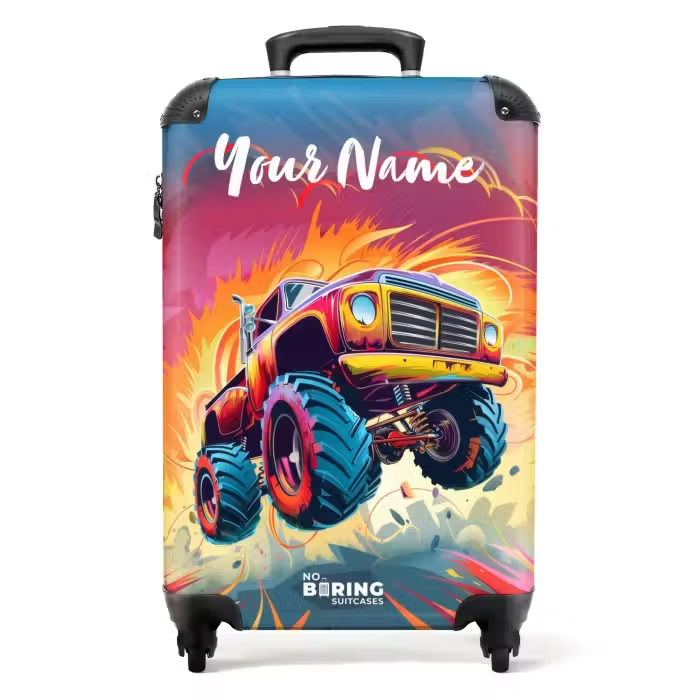
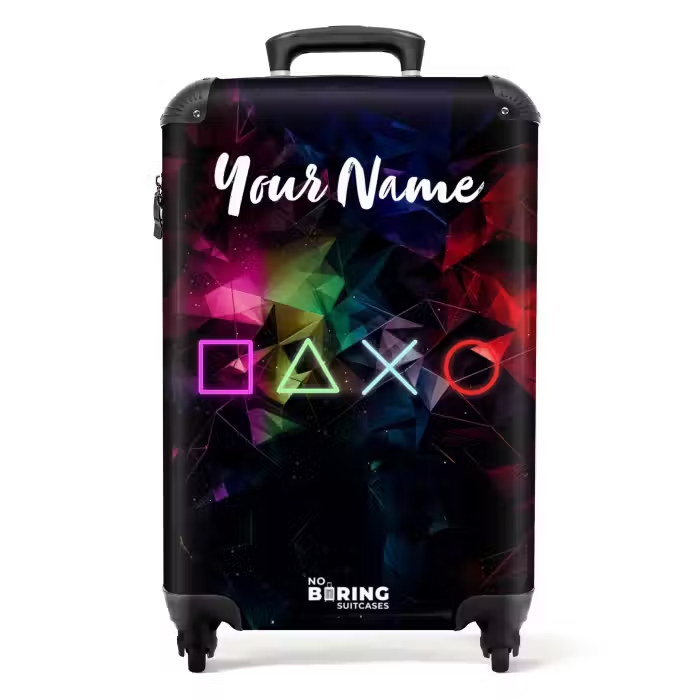
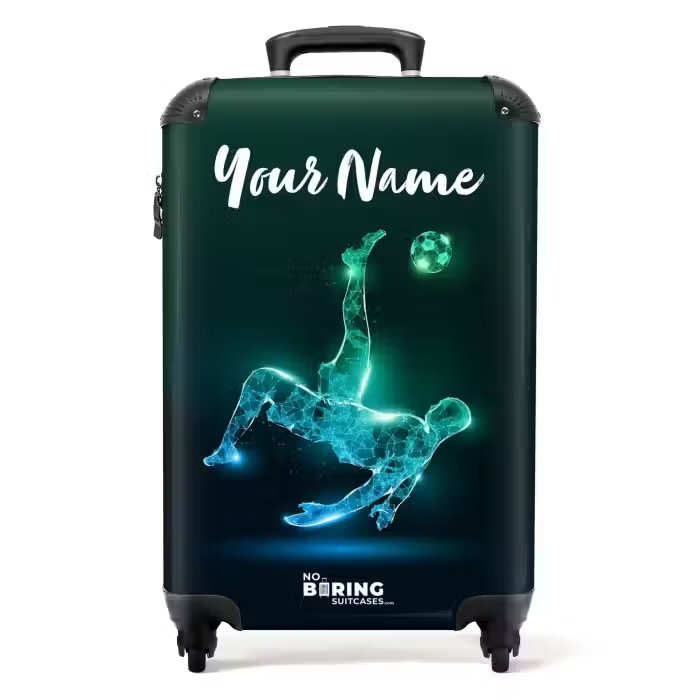
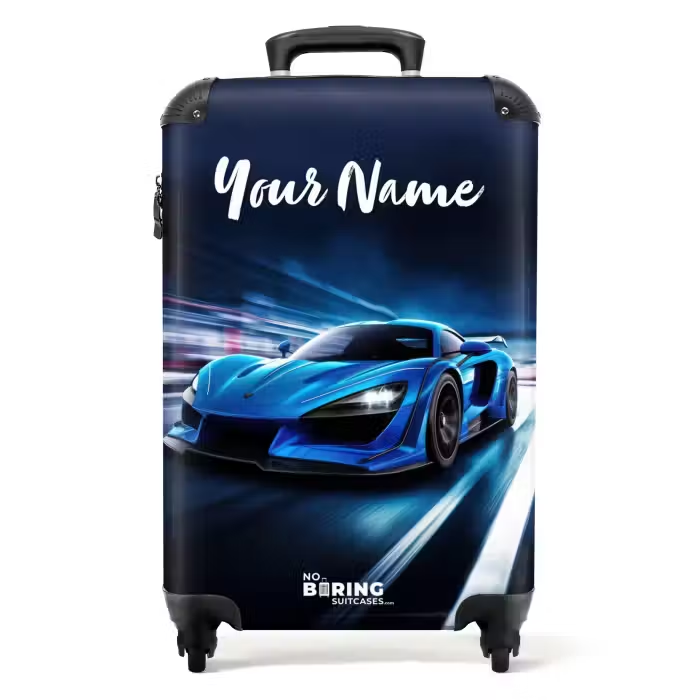
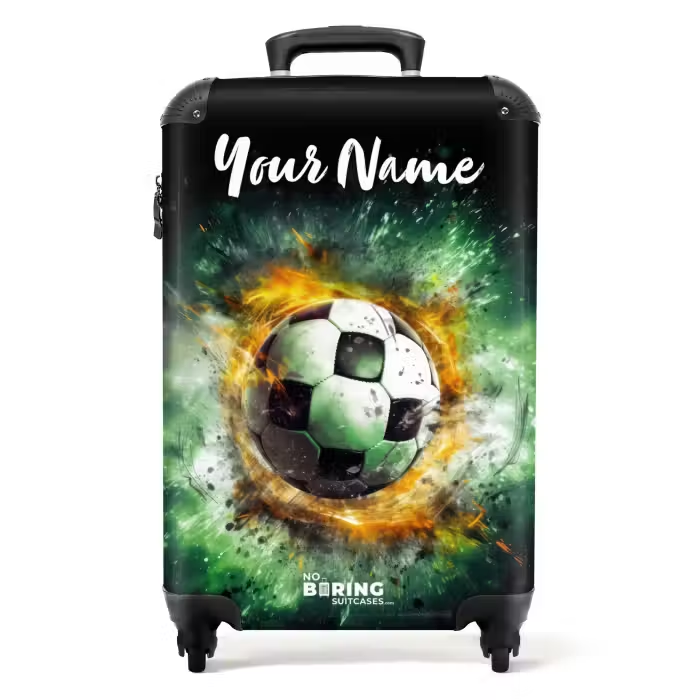
Popular cabin suitcases for boys
Because let’s be honest: waiting forty minutes for checked baggage is officially overrated
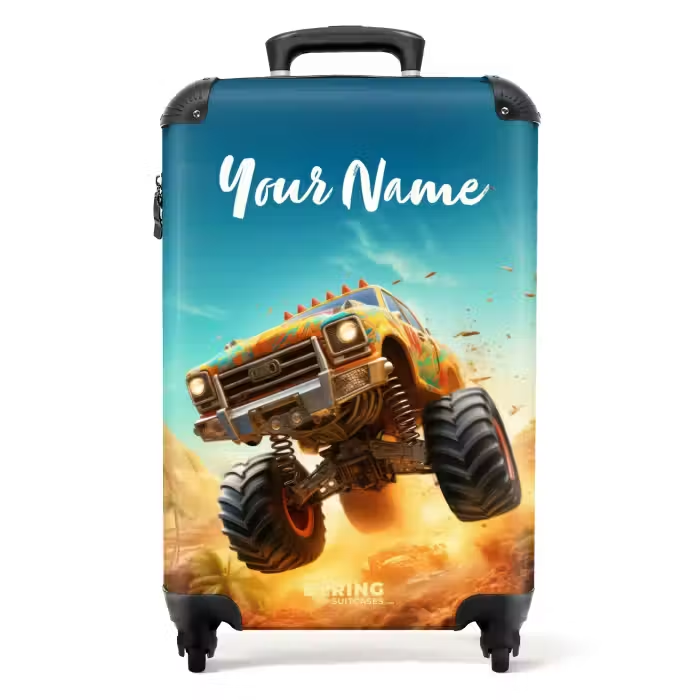

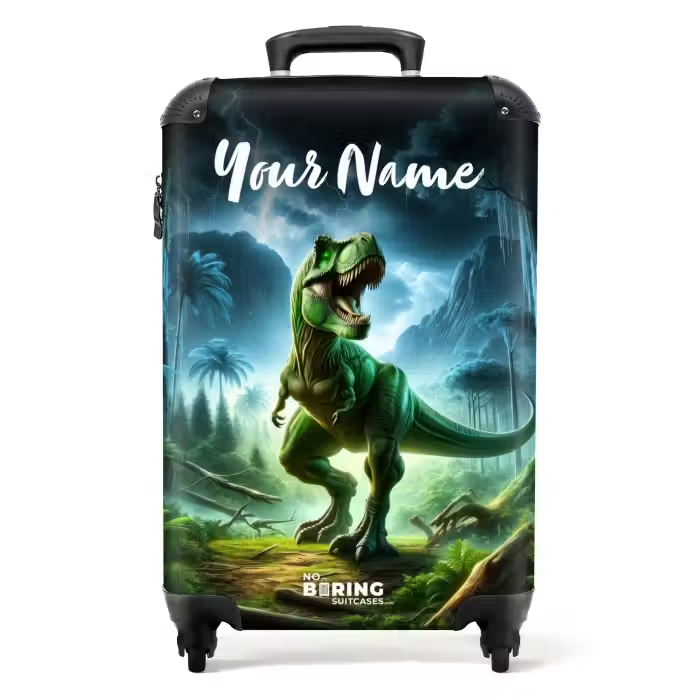
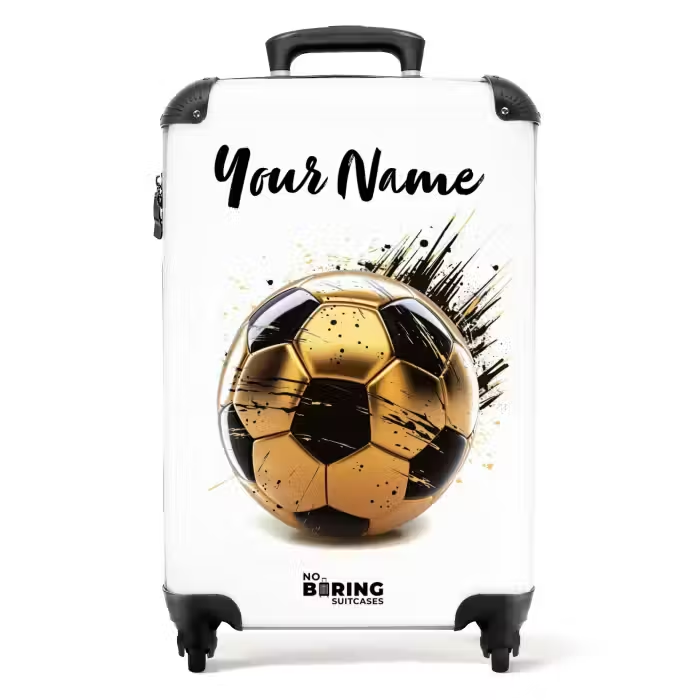

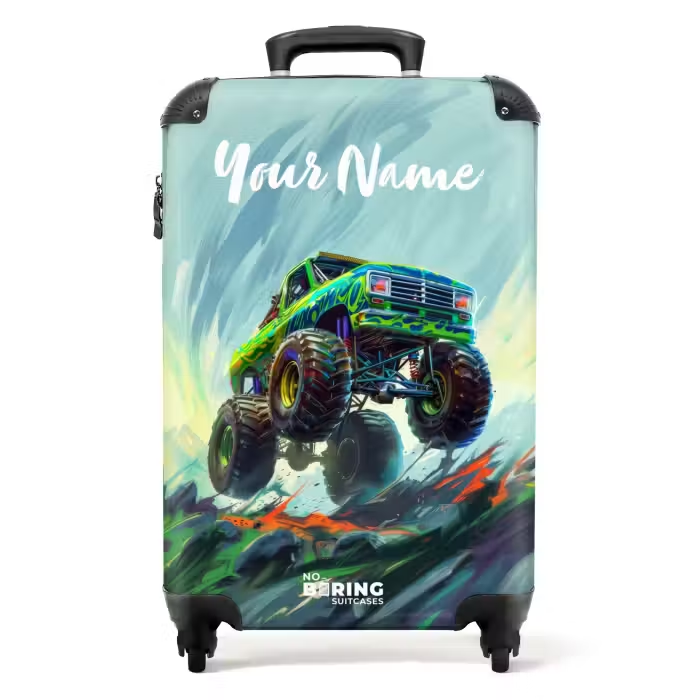
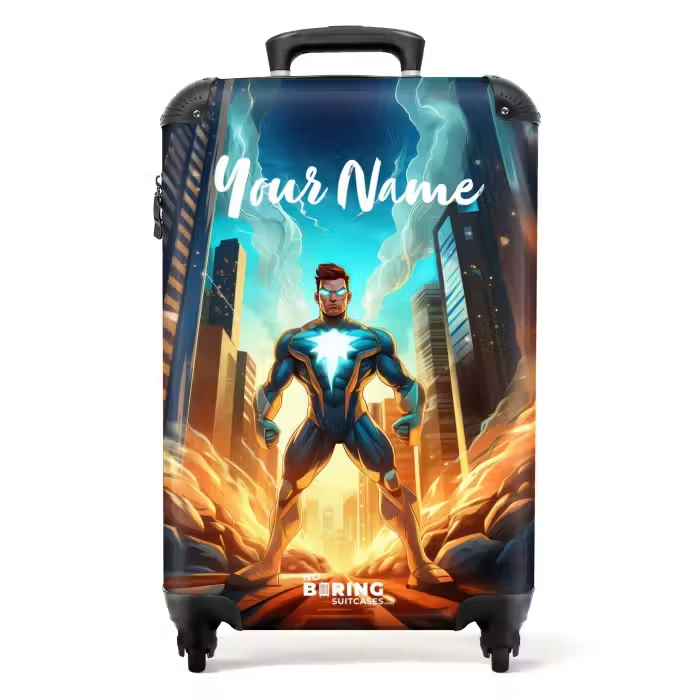
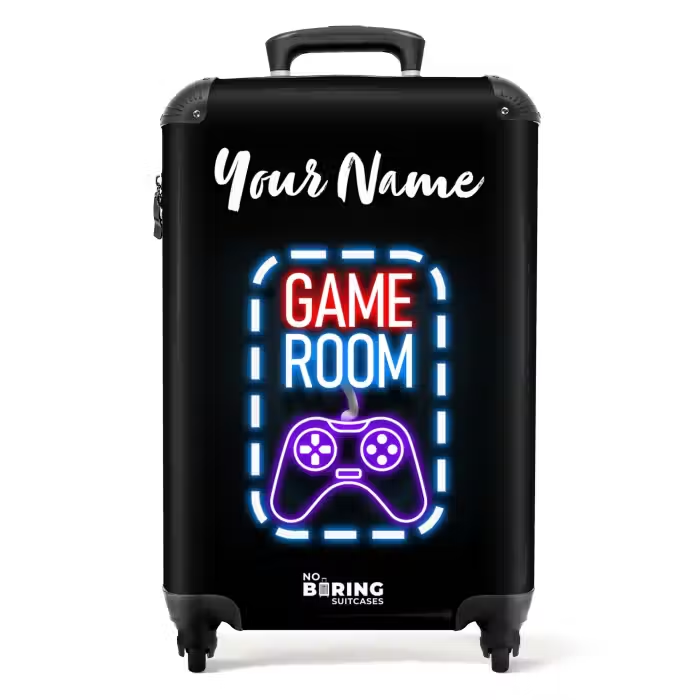
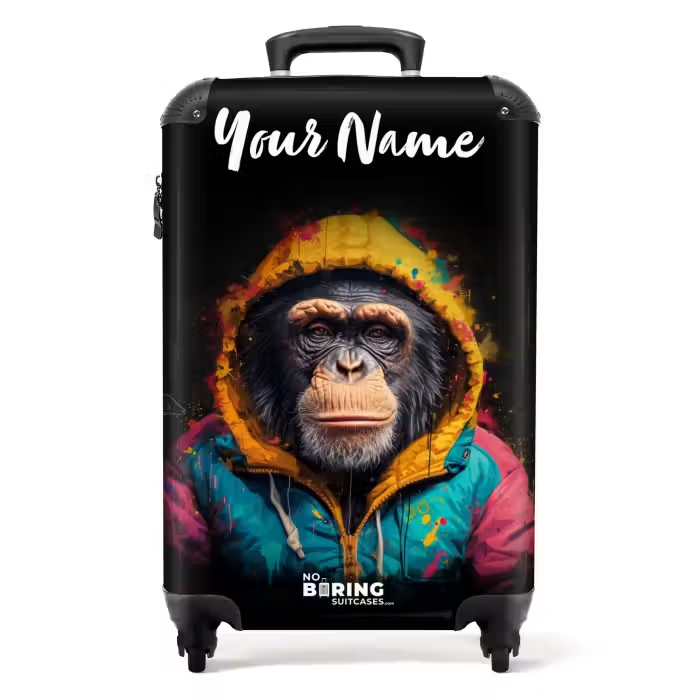
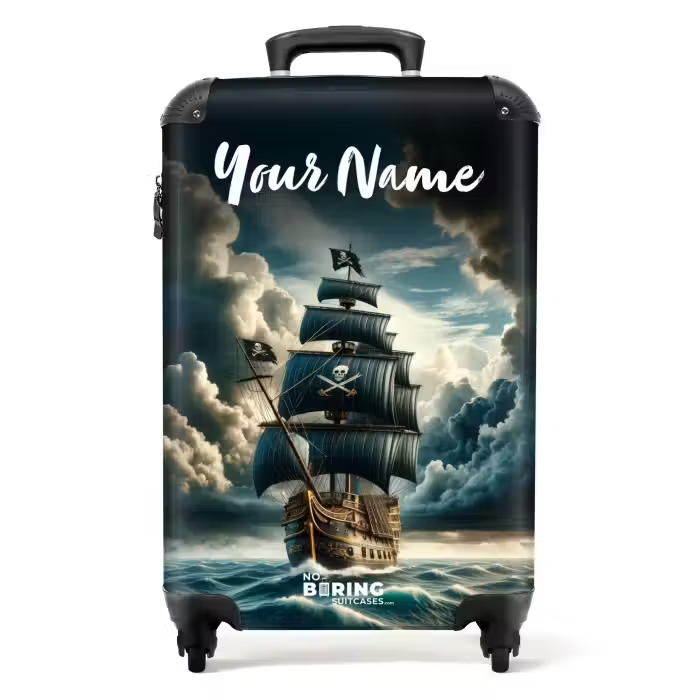
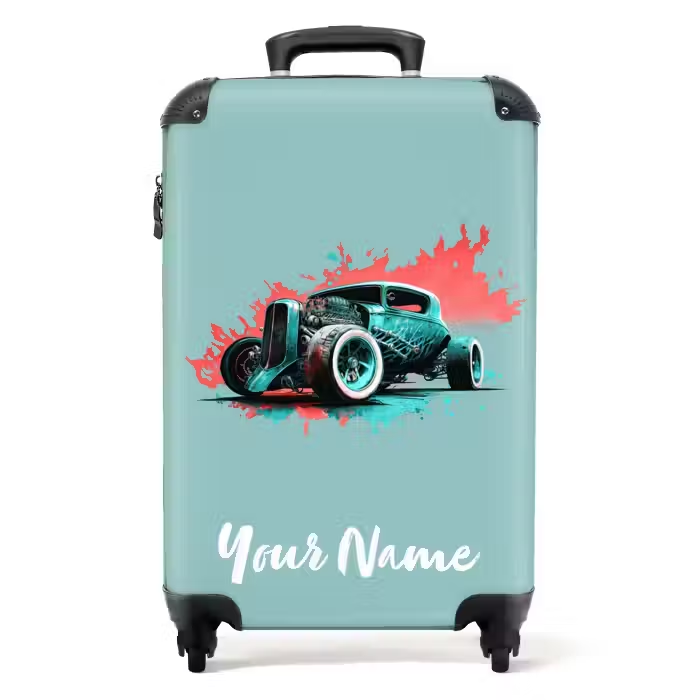
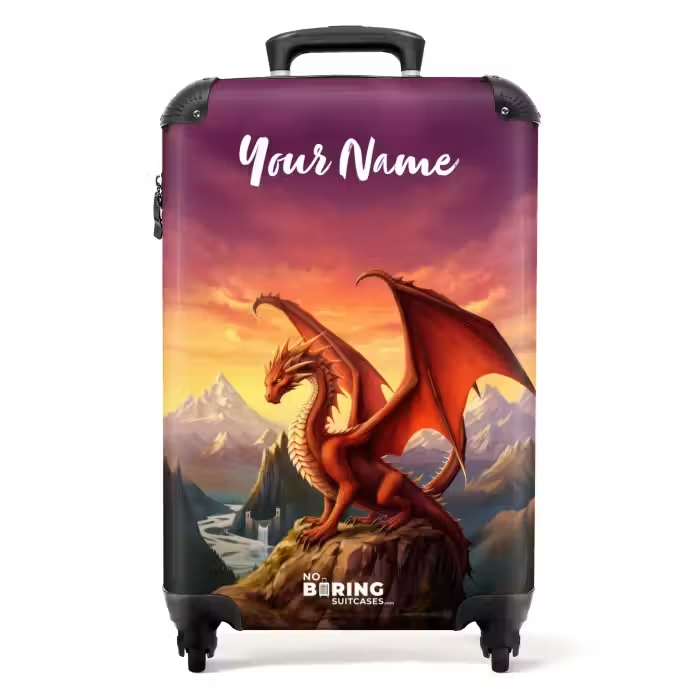
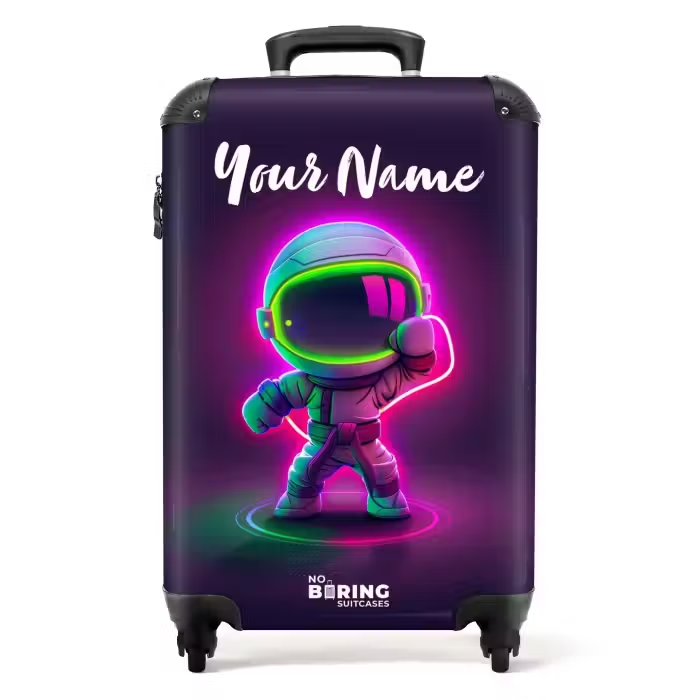
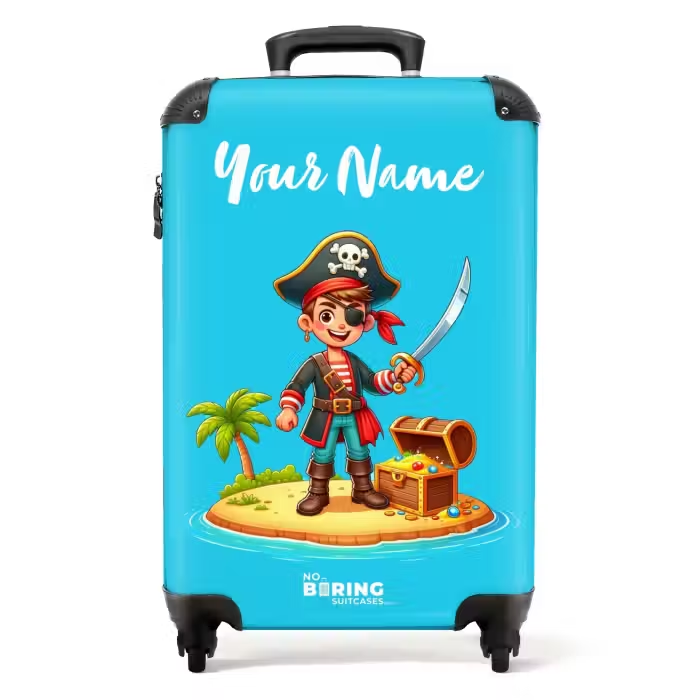


7. Underseat lightweight case (1.8–2.2 kg)
At 1.8–2.2 kg (empty), an underseat case is the lightest way to travel if you’re doing short hops and want everything at your feet. The risk is durability: ultra-light underseat cases often use smaller wheels and shorter handles, which take a beating on uneven pavements. Pick one with larger-than-average wheels for its class and a handle that locks firmly in place. A case that feels fine on smooth airport floors can become a nuisance the second you hit a cobbled street in York or Edinburgh.
Capacity is limited, so pack with structure: compressible packing cubes, a slim wash bag, and a single pair of shoes. If you tend to bring a heavy laptop, check whether the base bows when you lift it by the top handle. Bowing is a warning sign that the frame will fatigue and the handle mounts will loosen.

8. Lightweight weekender suitcase (2.9–3.0 kg)
At 2.9–3.0 kg (empty), a lightweight weekender suitcase sits right at the “under 3 kg” ceiling but earns its place if you want more internal volume without stepping up to a heavier medium case. This is the category for two-to-five-day trips where you still want a hard shell and proper wheels. Because you’re close to the weight limit, the build quality must be right: flimsy shells at this weight make no sense. You should feel stiffness at the corners and a clean, solid click when the handle locks.
The durability test here is simple: pack it full, then lift it by the side handle and give it a gentle shake. If you hear creaking or feel the handle mounts flex, look elsewhere. A good weekender rolls straight, doesn’t fishtail, and doesn’t feel like it’s twisting when you pull it over a threshold.


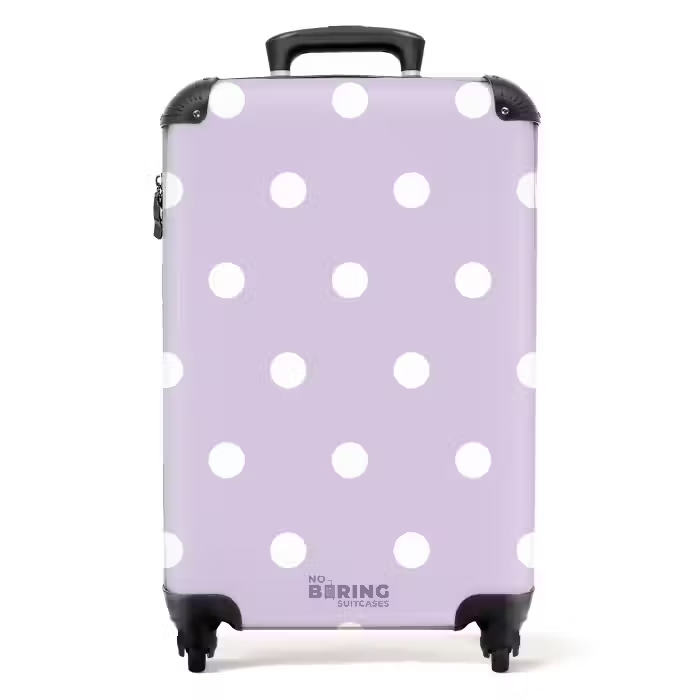
Popular cabin suitcases for girls
Just pack, roll, and pretend you always travel this effortlessly light
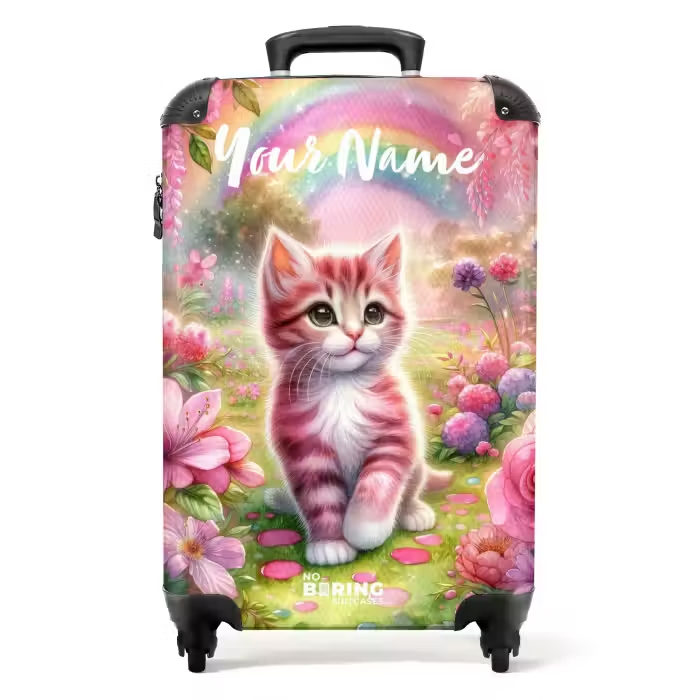
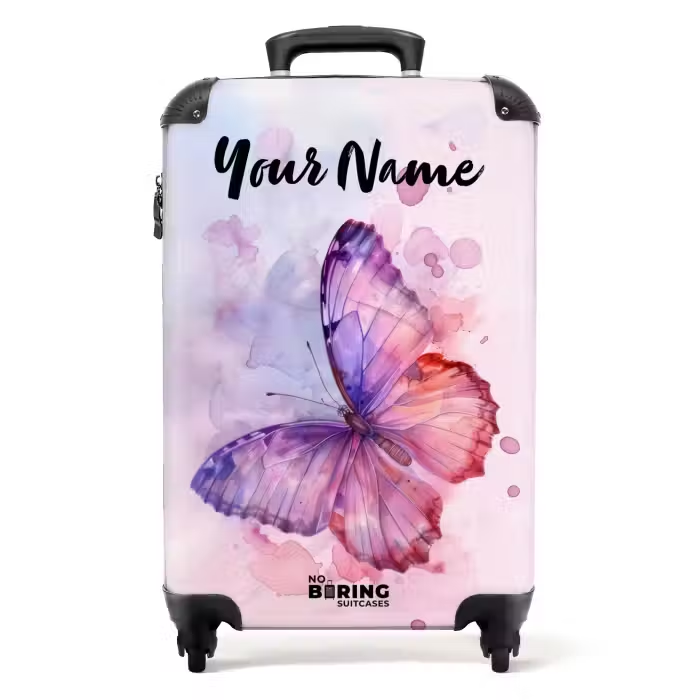
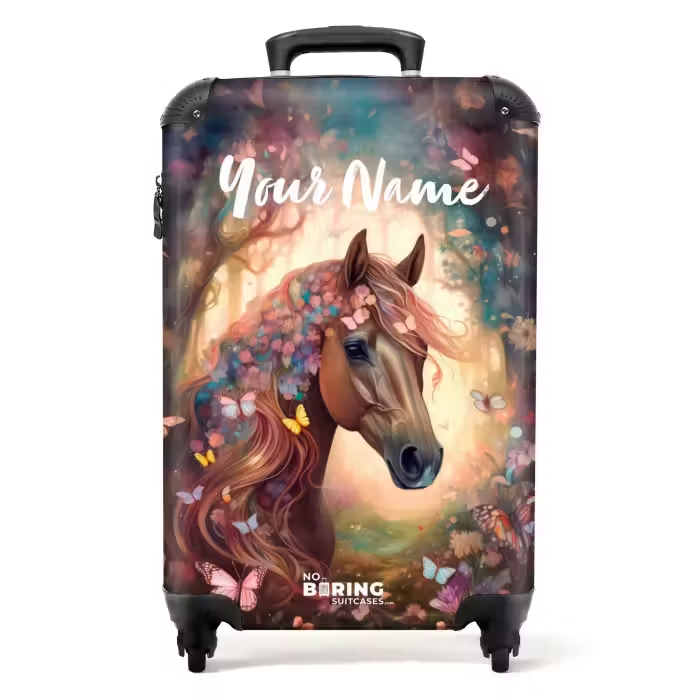
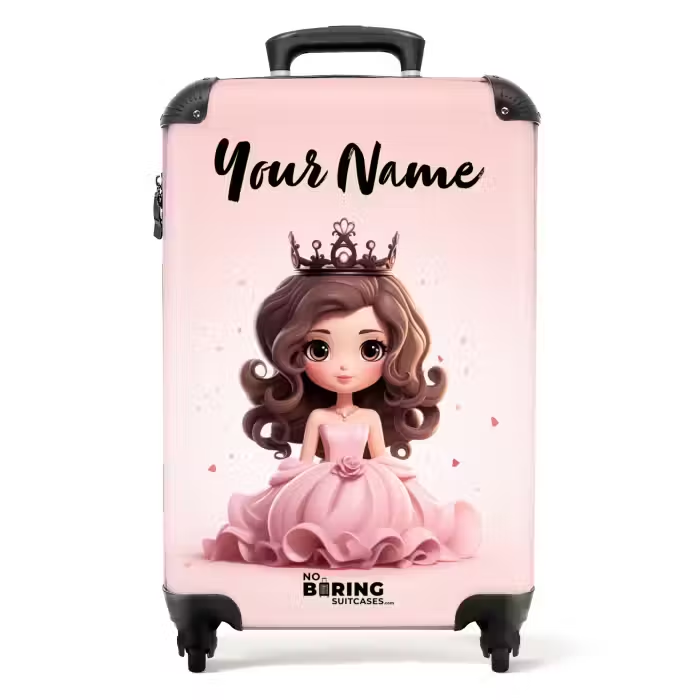
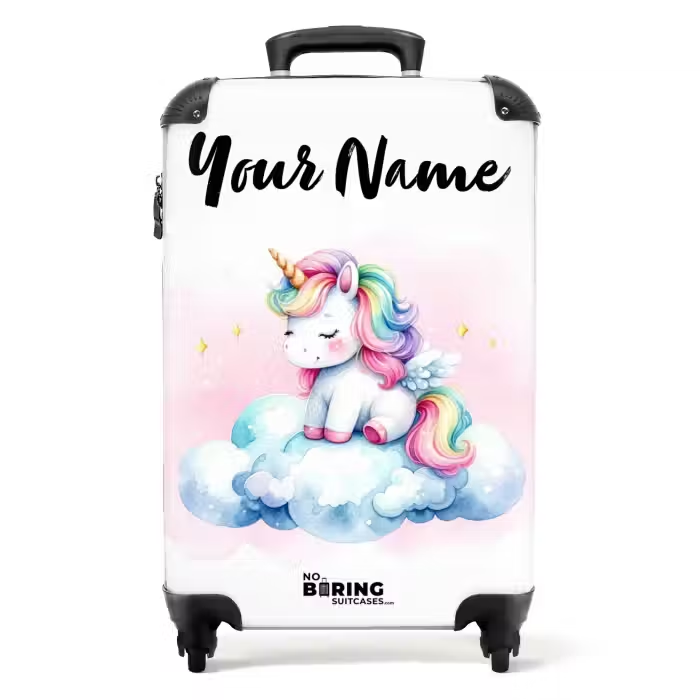
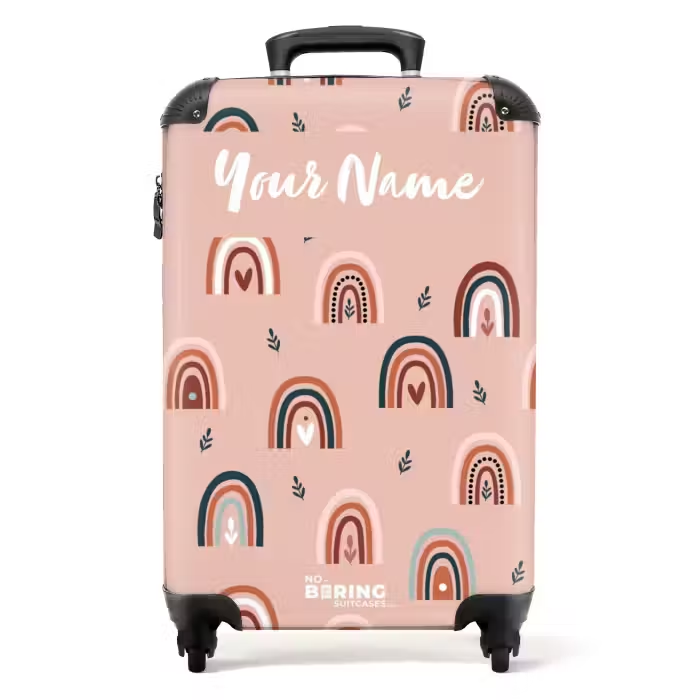
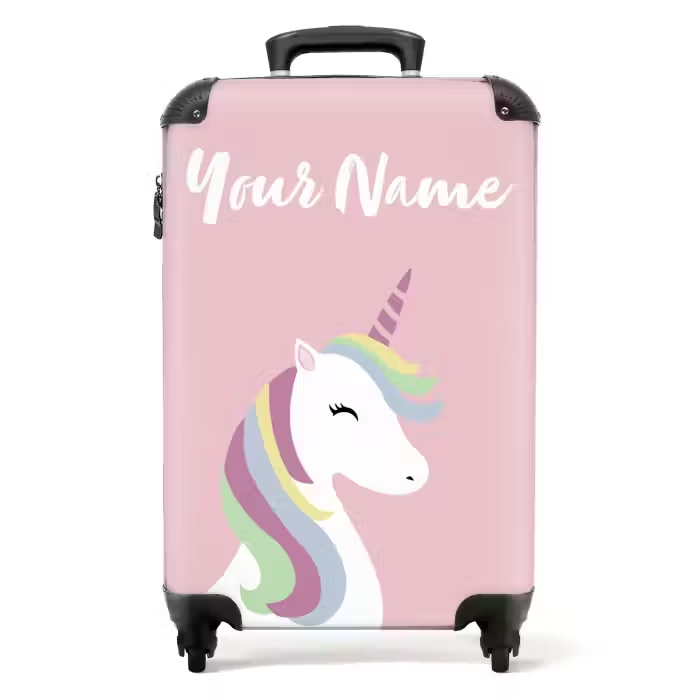
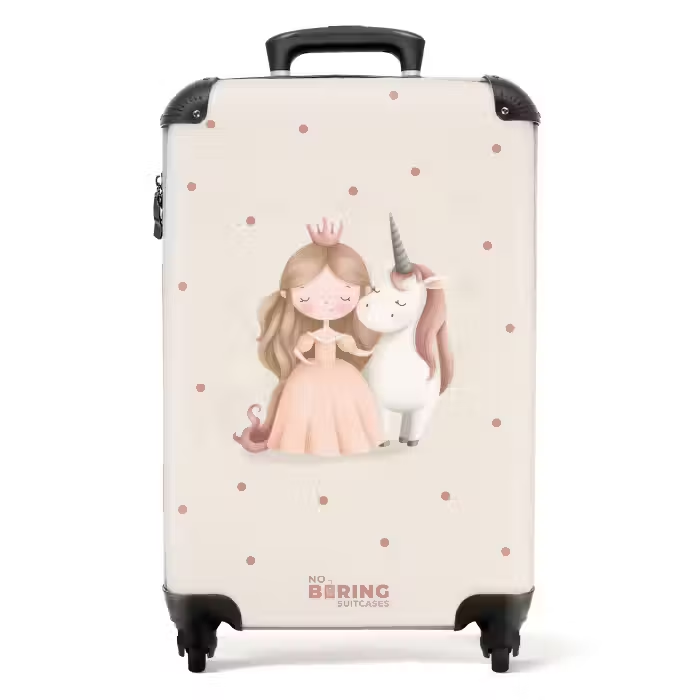
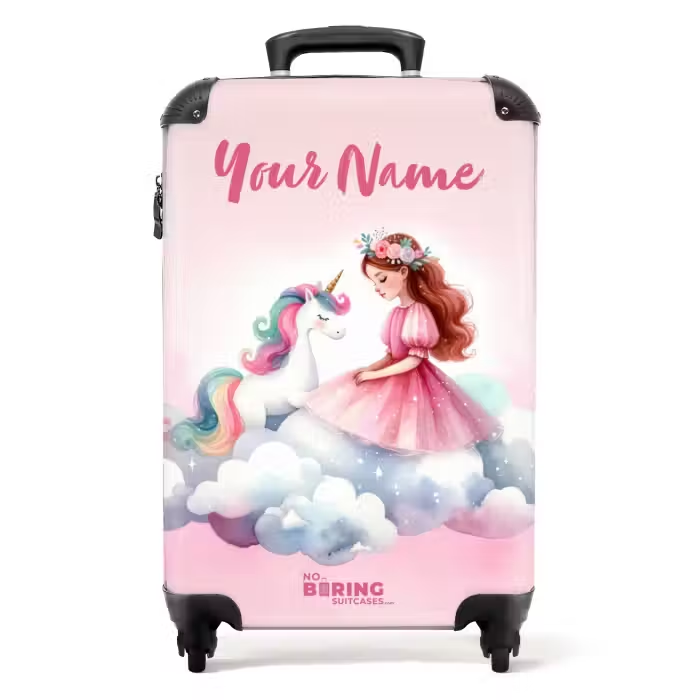
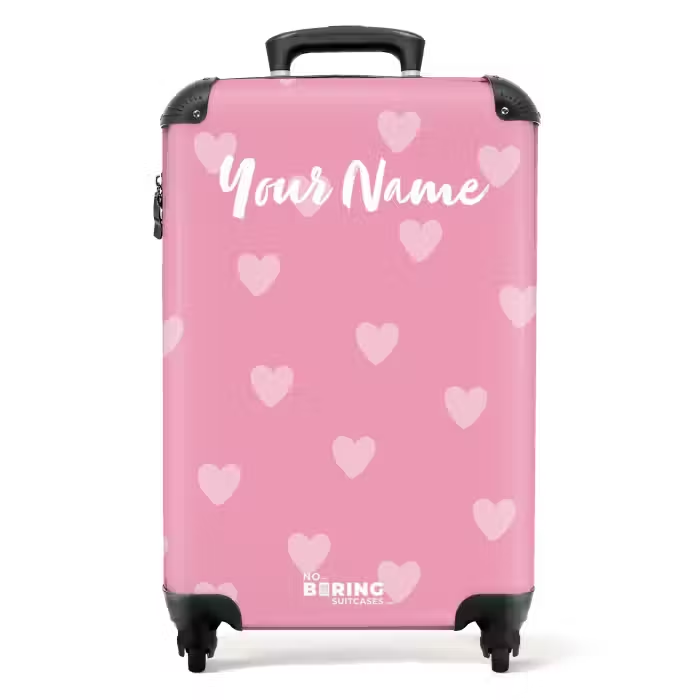
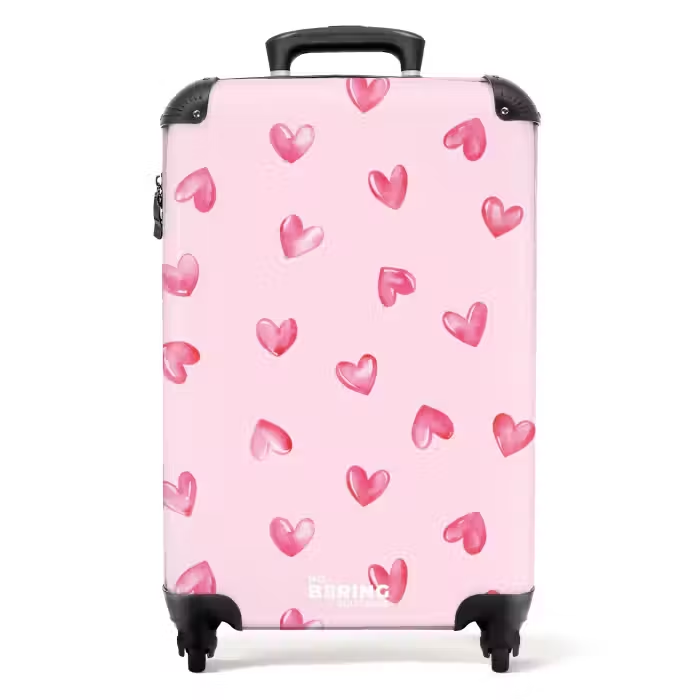


9. Ultra-light shell cabin case (2.0–2.3 kg)
At 2.0–2.3 kg (empty), an ultra-light shell cabin case targets travellers who obsess over every gram, but you have to be picky to avoid “light equals disposable”. In this bracket, some brands thin the shell too far, so it dents easily and transfers stress into the handle rails. Aim for a shell that uses quality polycarbonate (not generic “hard plastic”) and has reinforced corners. The shell should flex slightly when pressed, then return to shape without leaving a crease.
Wheels matter even more at very low weights because manufacturers sometimes downgrade them to save cost. Spin each wheel by hand: it should rotate smoothly and quietly, without gritty resistance. If you can, choose a model with easily replaceable wheels, because wheel failure is the most common end-of-life issue for lightweight luggage.

10. Minimalist business cabin case (2.6–2.9 kg)
At 2.6–2.9 kg (empty), a minimalist business cabin case prioritises stability, handle comfort, and a tidy interior over gimmicks. This type suits commuters who mix flights with rail and need a case that stands upright in queues without tipping. Look for a handle with a comfortable grip and a firm lock, because you’ll use it one-handed while carrying a laptop bag. A clean interior with proper dividers also reduces shifting weight, which is what makes handles feel unreliable over time.
If you like the idea of a case that’s instantly recognisable in a sea of black rectangles, consider a design-led option. NoBoringSuitcases also offers custom printing, including Suitcase own photo, with a professional photo check for sharp, colour-accurate results. A distinctive case is not just aesthetics; it’s faster to spot on the belt and harder to walk off with by mistake.


What is the lightest suitcase you can buy?
The lightest practical suitcase you can buy is usually a small underseat case around 1.8–2.2 kg, or a compact kids’ case around 1.6 kg. Go lighter than that and you often lose durability in the wheels, handle rails, and base structure. If you want the best balance, aim for a hard-shell polycarbonate cabin case around 2.3–2.7 kg, because it stays stiff enough to protect the handle mounts and corners.
When comparing weights, always check whether the listed weight includes a lock, internal boards, or removable pockets. Brands sometimes quote the lightest possible configuration, then the real-world version comes in heavier. If you fly with strict cabin limits, weigh the empty case yourself at home so you know exactly how much packing allowance you have.
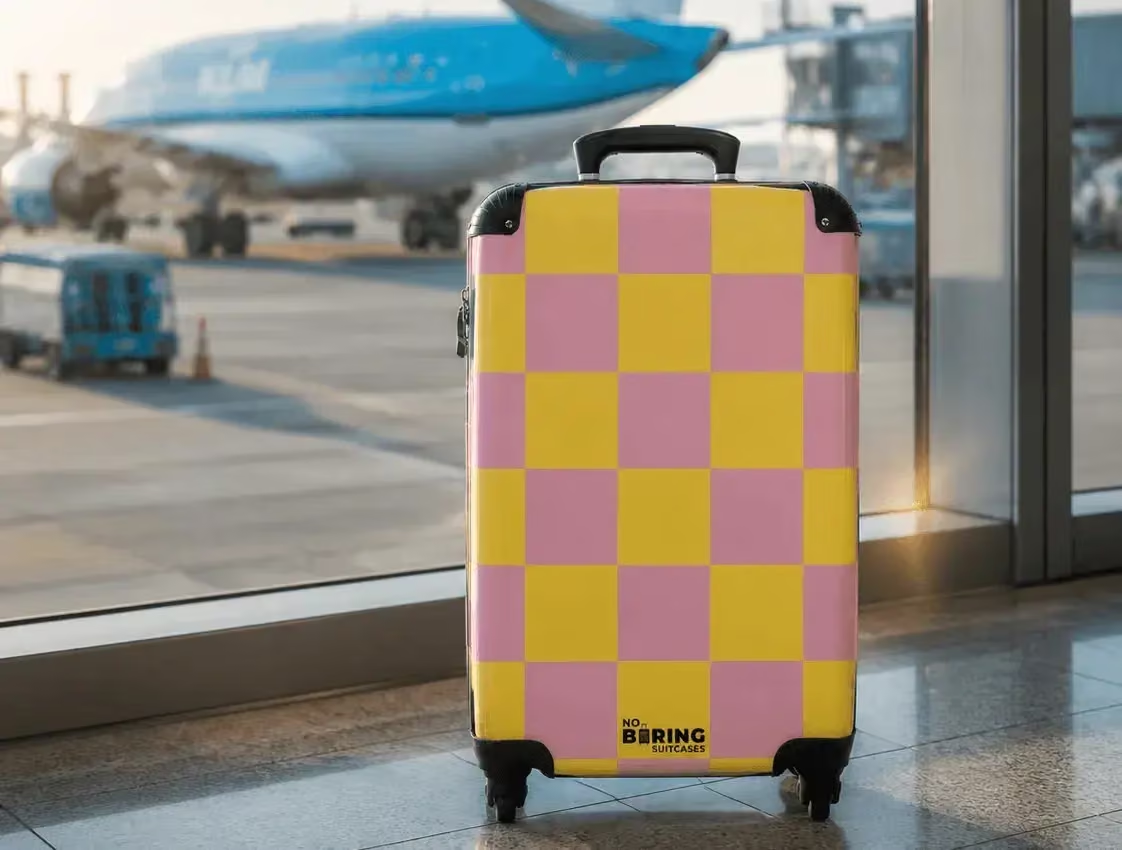
Are lightweight suitcases less durable?
Lightweight suitcases become less durable when brands cut weight by thinning the shell, using small wheels, or fitting a wobbly telescopic handle. Weight alone isn’t the enemy; weak stress points are. A well-designed lightweight case uses polycarbonate that flexes, reinforced corners, and a handle system that feels anchored rather than floating. You can spot a bad one quickly: it twists when you pull it at an angle and the handle rattles when extended.
Use a quick durability checklist before you buy:
- Press the shell panels and corners to check for spring-back rather than creasing.
- Extend the handle fully and check for side-to-side play.
- Roll it loaded on rough ground to see if it tracks straight.
- Check wheel housings for solidity, not thin plastic covers that flex.
Which lightweight suitcase is best for long trips?
For long trips, the best lightweight suitcase is the lightest one that still gives you enough volume without forcing you to overstuff. In practice, that’s usually a medium suitcase rather than a cabin case, but many medium models exceed 3 kg. If you need to stay under 3 kg, choose a tougher cabin case and plan to do laundry, or travel with a second lightweight personal item for overflow.
If you’re not restricted to under 3 kg for checked luggage, prioritise durability over grams for longer trips. A large checked case takes more impacts, gets stacked under heavier bags, and spends more time on conveyors. For travellers who want maximum capacity in a robust build, browse Large suitcases and focus on shell material, handle mounting, and wheel quality before anything else.
Choose a lightweight suitcase that stays solid after the first trip
What matters when picking a genuinely lightweight suitcase comes down to this:
- Keep the empty weight low, but never at the expense of a stiff shell and reinforced corners.
- Prioritise a wobble-free telescopic handle, because handle play is the fastest route to frustration.
- Choose wheels that roll straight when the case is fully packed, not just when it’s empty.
- Pick polycarbonate when you want light weight with impact resistance.
- Make it easy to identify with a distinctive design or personalisation, especially for family travel.
NoBoringSuitcases covers cabin, kids, medium, and large sizes with organised interiors, smooth mobility, and optional TSA combination locks. Explore the range and choose the weight and size that fits how you actually travel.

Yes, 2.6 kg is genuinely light for a hard-shell cabin suitcase, especially if it still uses polycarbonate and a stable handle system. It leaves more of your cabin weight allowance for clothing, shoes, and tech.
Not automatically, but spinner wheels are smaller and can take more side impacts on kerbs and rough pavements. Choose a case with solid wheel housings and smooth bearings, and avoid dragging it sideways when it’s heavily loaded.
Polycarbonate is usually better for durability at low weights because it flexes and rebounds after impacts. ABS can be lighter in some builds, but it’s more likely to crack or chip when stressed at corners.
A built-in TSA combination lock adds a small amount of weight, but it’s typically negligible compared with the convenience and security. The bigger question is whether the lock is integrated cleanly and doesn’t create a weak point on the shell.
Yes, if the brand uses proper printing and checks image quality before production. NoBoringSuitcases offers custom designs, including printing your own photo with a professional check for sharpness and colour accuracy.