
How to reset a suitcase lock
How to reset a suitcase lock step-by-step
If you are searching for how to reset a suitcase lock for your own travel bag, you usually want a fast, safe answer that works without guessing. This guide explains how to reset a suitcase lock on our polycarbonate suitcase models with an integrated TSA lock, using simple steps you can follow at home or at the airport. You will see how to reset a suitcase lock without causing damage, what to do if you forget the code, and how to keep the lock functional for future trips. For smart packing after you reset your suitcase lock, you can also check how to pack a suitcase.
Know your suitcase lock: dials and the type of lock
Before you change anything, it helps to understand what you are looking at on the suitcase. Our cabin suitcase and medium luggage suitcase use an integrated combination lock with three number dials and a TSA keyhole that security officers can open with an official tool. This type of lock is meant to keep your belongings secure while still allowing inspection by the Transportation Security Administration when required. You will typically see the dial area next to the zipper pulls, so the zipper can be held closed when the lock is set.
Most reset actions happen with a small reset button or a recessed reset button inside the lock area. On some versions, you may need a pen or a similar small object to press the reset button, and you may feel a notch or click in the mechanism. The goal is to safely set a new code, not to force the shackle or pry the lock open. Knowing how to reset the combination correctly also helps you avoid a jam later.
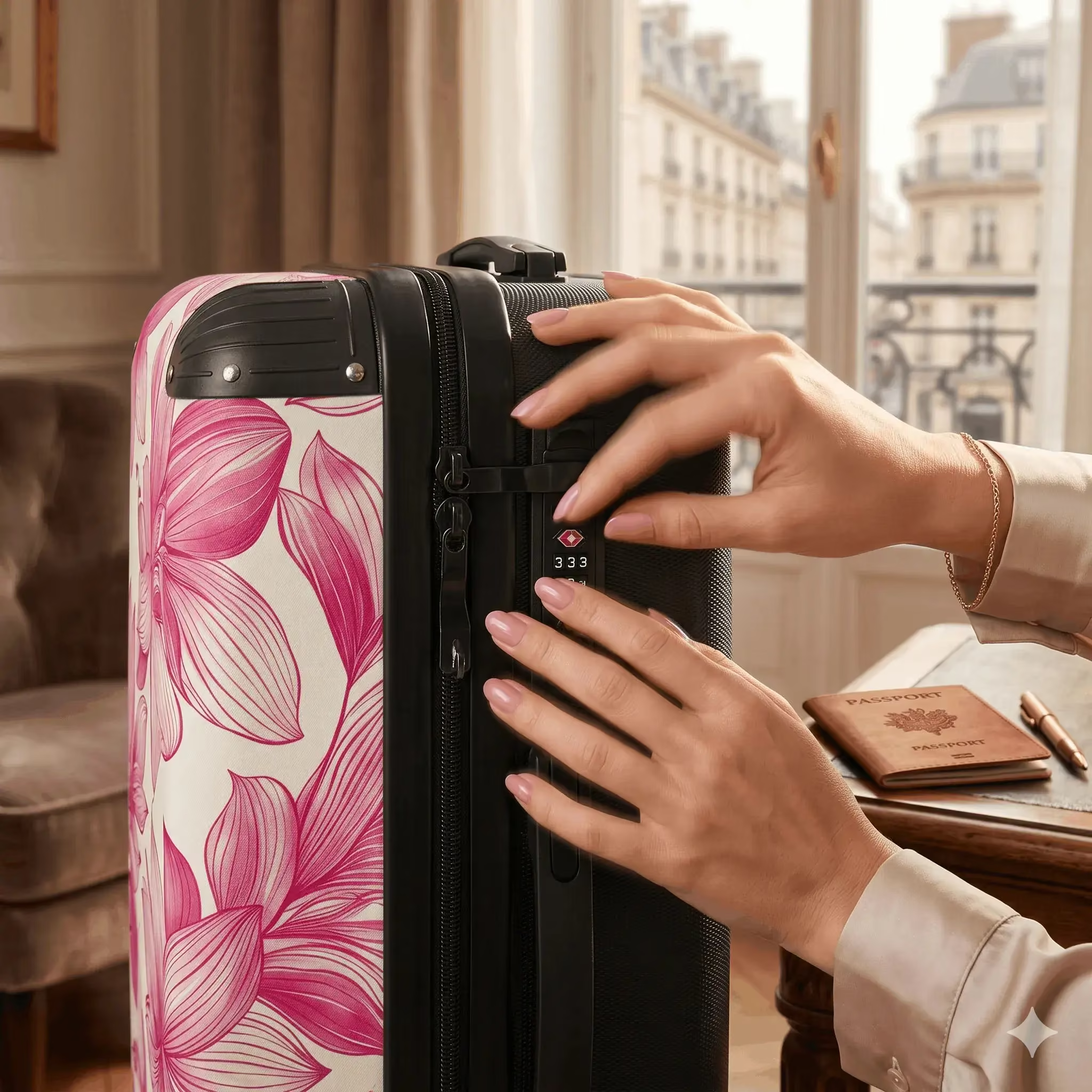
Step-by-step guide: reset a suitcase lock and set a new code
To reset a suitcase lock on our integrated TSA lock, start with the lock open and the existing combination entered correctly. Many people miss this part, but the reset function is designed to work only when you can open the lock first. If your current code is still 0-0-0, begin there and open the lock so the reset control becomes available. This step-by-step guide is the safest way to reset the combination and keep the suitcase lock functional.
- Open the lock using the existing combination, and confirm the zipper pulls release so you can open the suitcase.
- Look for a small reset control near the dials, usually a small reset button or recessed switch on the lock body.
- Use a pen or a small object to press the reset button, then hold it until it clicks or stays engaged.
- Turn the dials and align them to your desired new combination, choosing a code you will remember.
- Release the button or slide the reset control back to its original position to set the new code.
- Test opening and closing the lock several times by scrambling the dials, then entering the new code to open the lock again.
After you set a new code, write the code in a safe place you can access when traveling. A quick tip for peace of mind is to test it at least three times before you leave for the airport. This is also the best moment to ensure the zipper sits smoothly, because tension can make any travel lock feel harder to use. If you want to confirm cabin sizing for your trip after updating your lock code, see what size is a cabin suitcase.
How do you reset your suitcase lock if you forget the code?
If you forget the code and the suitcase lock is closed, the safest answer is that you should not force it. For an integrated TSA lock, bypassing the correct combination without the proper method can damage the mechanism, the zipper area, or the lock housing. Instead, try to recall common patterns you use, and test in a calm way so you do not create a jam by rushing. If you recently traveled, also consider whether you changed the lock combination just before departure and then forgot to note it down.
If you cannot find the correct combination, inspect the dials carefully for misalignment and try gentle, systematic attempts rather than random spinning. Start from 0-0-0 and count upward in an organized way, because many users stop early and miss the right number by one click. If you still cannot open the lock, contact the manufacturer's support channel for guidance that matches your exact suitcase model, because that is the best way to reset the lock without causing damage. Once you regain access, you can reset the combination immediately and choose a new code you will reliably remember.
Change your suitcase lock code
The good news is that the process to change your suitcase lock code is consistent across our adult polycarbonate luggage. Whether you use the cabin suitcase with 36 liters or the medium suitcase for longer trips, the built-in TSA lock is designed for quick access. When you update your lock code, choose a combination that you can recall even when tired after a flight. Avoid obvious choices like birthdays if you want to stay more secure.
For kids' luggage, the lock setup depends on the specific kids' suitcase version you choose. Our kids' options include polycarbonate models in 31 × 19 × 48 cm and 55 × 35 × 25 cm, both designed to be lightweight and easy to move. If your child uses a lock, practice the reset steps together at home so they do not forget the code on travel day.
Troubleshooting the common issues with suitcase locks
Common issues with suitcase locks often feel like a broken lock but are usually caused by tension, debris, or misaligned locks. If the zipper is overpacked, the zipper pulls can press tightly against the lock, making it harder to open the lock even with the correct combination. In that situation, place the suitcase flat, press down gently near the zipper line to reduce tension, and then try the code again. This is especially useful after packing bulky items.
If the dials feel stiff, inspect the lock area for debris and wipe it clean, because small particles can affect the mechanism. A tiny amount of appropriate lubricant can help if the dial is dry, but use it sparingly and keep it away from fabrics. If a dial does not click cleanly into place, align the numbers carefully and try again, because partial alignment is a common reason the correct combination does not work. For weight planning that reduces strain on your luggage lock, see what size suitcase is needed for 23kg.
Why a TSA lock suitcase helps at the airport
A TSA lock suitcase is designed for real travel situations where luggage may be opened for inspection. With an integrated TSA lock, authorized security officers can use the TSA keyhole to open and relock it without cutting your lock or damaging your suitcase. That means you keep your belongings protected while also reducing the risk of arriving with a broken lock or damaged zipper pulls. This is especially valuable when your suitcase is out of your sight, such as during checked baggage handling. If you are deciding between sizes for a lighter checked load, read what size suitcase is needed for 20 kg.
Choose your next secure suitcase and make it uniquely yours
If you want a suitcase that is easy to move, easy to recognize, and easy to keep secure, our collection is built for that. Choose from a cabin suitcase, a medium checked luggage suitcase, or a kids' suitcase, each designed with practical features like smooth wheels, organized space, and a reliable TSA lock where applicable. With more than 1200 unique designs and the option to personalize with your own photo, name, or initials, your luggage stands out immediately and feels truly personal. Pick the size and style that fits your trip, then set your new combination and travel confidently.
On our integrated TSA lock designs, the reset button is usually a small button near the dials or a recessed point you press with a pen. You can typically access it only when the lock is open. Look closely around the lock face and edges for a tiny hole or switch.
Many combination lock models start at 0-0-0, but it depends on how it was set before shipping or use. If your suitcase arrived with a different code, it may have been changed during handling or setup. Always test it and then set a new code you will remember.
Yes, a TSA lock is designed so security officers can open it with an official tool via the keyhole. They can inspect and then relock your luggage without cutting the lock. This helps keep your suitcase secure while still allowing required checks.
This often happens when the zipper is under tension from overpacking or when the dials are slightly misaligned. Press gently on the suitcase near the zipper to reduce pressure, then re-enter the code with careful alignment. If the mechanism feels gritty, inspect for debris and clean it.