Do Electrical Items Go in Hand Luggage or a Suitcase?
Do electrical items go in hand luggage or a suitcase for travel from the airport?
The most practical answer for most trips is that many electronic devices belong in hand luggage, while some accessories can go in your suitcase depending on airline rules and dangerous goods limits. If you are still wondering “do electrical items go in hand luggage or suitcase” for your next travel day, start by choosing the right luggage type so you can separate devices, cables, and liquids in a way that makes the security check easy. Our cabin suitcase is built for exactly that: a 55 × 35 × 25 cm polycarbonate hand luggage case that is accepted by almost all airlines, and it is easy to roll through the airport on four 360-degree wheels. If you want to confirm cabin sizing before you pack, see what size is a cabin suitcase.
What is allowed at airport security
Your hand luggage allowance is where most travellers place the items they cannot risk losing, and that often includes electronic devices. Airport security focuses on safety and dangerous goods, so the key is to pack in a way that helps you go through the X-ray without delays and shows you understand the allowance. At UK airports, there are also hand luggage restrictions that affect liquids in your hand luggage, so you should keep a clear separation between devices and any liquid toiletries. This is why our hand luggage case with 36 liters of space is useful: it is compact, organized, and easy to open and manage during security screening while still being tough and light for travel.
Do electrical items go in hand luggage or a suitcase when lithium batteries and power bank rules apply?
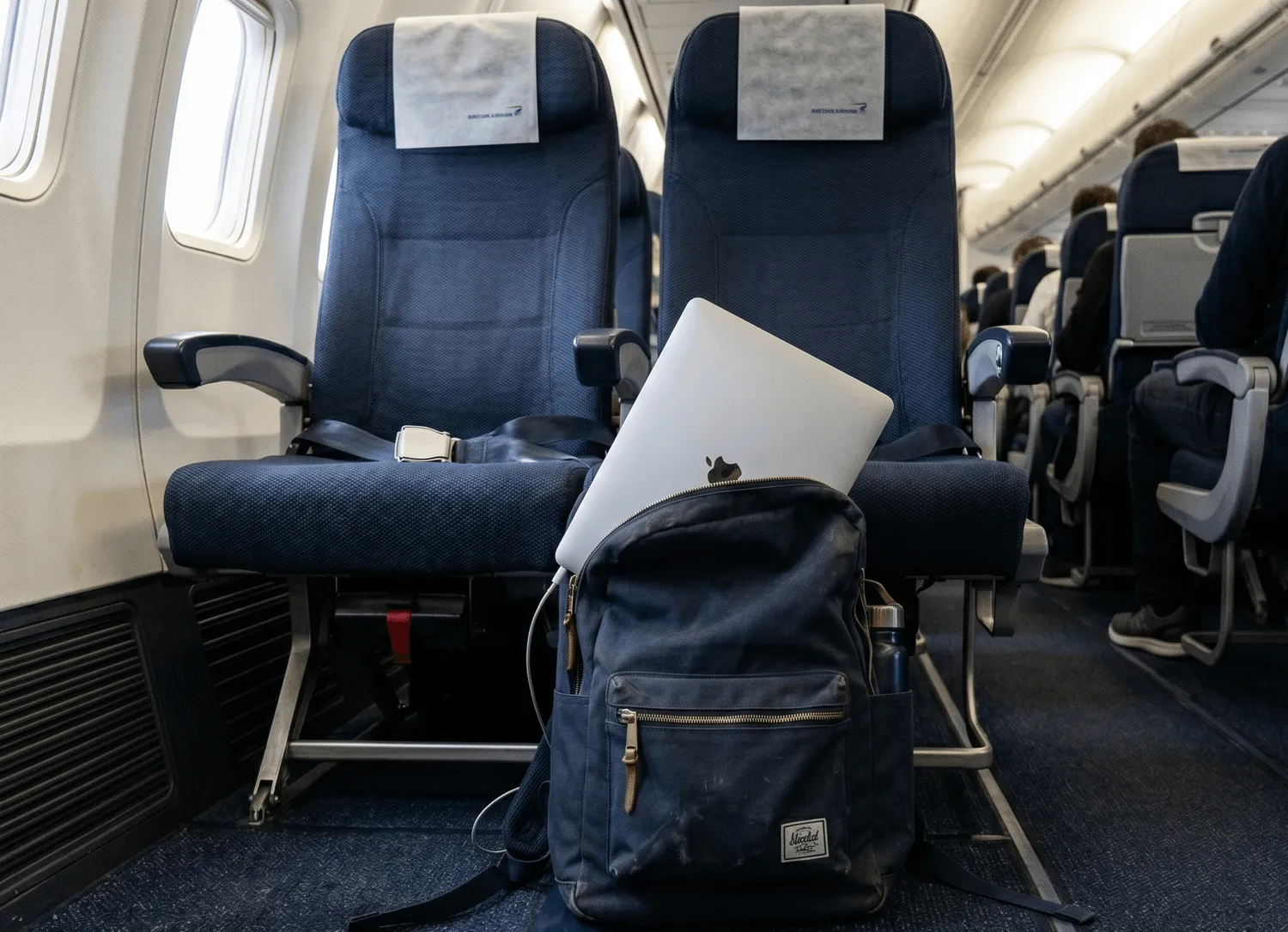
In most cases, items powered by lithium batteries are safer when carried in the cabin, so a power bank and spare batteries are typically items you take in your hand luggage. Many airlines treat these as restricted items because the battery must be protected from short circuits, which is easier to guarantee when the devices are with you and you can respond if something overheats. That is why many travelers choose hand baggage for a portable electronic device like a laptop, camera, or tablet, and keep chargers and low-risk accessories in other luggage if needed. To stay compliant, check with your airline before you fly, because the type of battery and watt-hour limits can change by airline and route, especially if you return to the UK or travel outside the UK.
What should go in hold luggage?
Some items are better suited to hold baggage when they are not needed during the flight and do not create a dangerous goods concern, but you still need to check the restrictions. In general, you should avoid putting valuable electronic items into checked baggage if you can, because luggage checked into the hold is harder to access and can be handled roughly. If an item must not be carried in the cabin due to airline rules, then it may need to be carried as checked baggage, but only if it is not on the prohibited items list and it is properly packed. Our medium suitcase for hold baggage is designed for this kind of longer trip packing: it is 67 × 43 × 25 cm polycarbonate luggage with a built-in TSA lock and four 360-degree wheels, giving you strong protection and easy movement across the airport.
Taking liquids through security
Liquids are where many travelers get stuck, because taking liquids through security has strict limits, and airport security staff will enforce them. A liquid must be in the right-size container and placed into a plastic bag, and you should be ready to take it out at the security check if asked, especially at UK airports. Keep liquids in your hand luggage separate from electronics in hand luggage so you do not have to unpack your entire carry-on in a crowded line. If you want a structured approach to organization, our luggage range supports it well, and you can also use how to pack a suitcase to plan layers for devices, toiletries, and clothing.
How to pack our luggage for electronic items
Start with the luggage type that matches how you travel: our cabin suitcase for hand luggage, our medium case for checked baggage, or one of our kids’ cases for family trips. The cabin size (55 × 35 × 25 cm) helps you keep devices in your hand luggage and makes it easier to carry what you may need to show at the scanner, including electronic items and a portable medical electronic device kit, if relevant. For families, our kids’ luggage options make it simpler to assign who carries what, because a child can roll their own case with two wheels with lights, a height-adjustable handle, and an extra carry handle, while you keep the more sensitive devices in your own hand luggage. Use this quick checklist so items you can take are ready to go through airport security:
- Place electronic devices in an easy-access area so they can go through the X-ray quickly during security screening.
- Keep batteries with you, and keep spares separated so they are protected from short circuits.
- Put cables, adapters, and low-value accessories where you can reach them without emptying your whole luggage.
- Keep liquids in your hand luggage inside one plastic bag, away from devices, so you can take these items out quickly.
Our suitcases are also smart luggage in the practical sense: they are sturdy, lightweight, and organised, with a built-in TSA lock that helps protect your baggage during travel. If you ever need to change the code after a trip, follow how to reset suitcase lock so your luggage stays secure and easy to manage.
Choose the right luggage and pack electrical devices with confidence
If you want a simple way to stop second-guessing what goes where, choose one of our suitcases as your starting point and build your packing around it. Our cabin suitcase gives you airline-friendly hand luggage space for the devices you prefer to keep in the cabin, while our medium suitcase supports longer trips where more baggage needs to be checked. For kids, our lightweight kids’ cases help everyone stay organized and make the airport experience smoother, especially when each child has their own luggage that is easy to recognize. Pick from over 1,200 designs or personalize your suitcase with a photo, name, or initials so your luggage is instantly recognizable and ready for your next trip.
Most electronic devices are allowed in hand luggage, especially those you want to keep safe and accessible. Items powered by lithium batteries are often preferred in the cabin, but you should always check the hand baggage requirements before you travel.
A power bank usually must be carried in the cabin because it contains lithium batteries, and these items are restricted for safety reasons. Make sure the battery is protected from short circuits and follow the airline’s hand luggage rules.
Liquids in your hand luggage must follow the liquid limits and should be placed in a plastic bag for the security check. At UK airports, airport security may ask you to remove the bag separately, so pack it where you can reach it quickly.
If you want carry-on luggage for essentials, our 55 × 35 × 25 cm cabin suitcase fits most hand luggage allowance needs. If you need more baggage for longer travel, our 67 × 43 × 25 cm medium suitcase is designed to be checked into the hold and rolled comfortably through the airport.