
15 Suitcase packing tips that actually work (from frequent flyers)


How do you pack a suitcase efficiently?
Pack a suitcase efficiently by planning outfits, using packing cubes, and building a simple “access layer” at the top for items you’ll need in transit. This crowd-sourced list contains 15 suitcase packing tips gathered from 50+ frequent travellers, then tested and ranked by usefulness and time saved. Use the list below as a checklist before your next trip:
- 1. Pack outfits, not items
- 2. Start with the shoes (and cap them)
- 3. Use packing cubes by category, not by day
- 4. Roll knits, fold crisp fabrics
- 5. Build a top-layer “flight kit”
- 6. Keep liquids in a fast-exit pouch
- 7. Wear your bulkiest pieces on travel days
- 8. Use the “one spare” rule for basics
- 9. Make a laundry system from day one
- 10. Protect your suitcase with a hard-shell strategy
- 11. Put heavy items near the wheels
- 12. Photograph your packed case before you zip it
- 13. Pack a collapsible “overflow” bag
- 14. Label the outside so you spot it instantly
- 15. Do a 3-minute zip test (then remove one thing)

1. Pack outfits, not items
Frequent flyers waste the most time repacking when they throw in random tops and hope it works out. Pick complete outfits for real scenarios: a travel day, one smart evening, one casual day, and one wet-weather option. If an item doesn’t match at least two outfits, it doesn’t earn space.
2. Start with the shoes (and cap them)
Shoes dictate both space and outfit choices, so lock them in first and keep the number tight. Cap most trips at two pairs (plus one specialist pair if you genuinely need it, like hiking boots). Put each pair in a shoe bag or shower cap, then fill the insides with socks or chargers to stop wasted volume.
3. Use packing cubes by category, not by day
Packing cubes save time only if you can grab what you need without unpacking everything. Sort by category: tops, bottoms, underwear, gym/swim, and nightwear, so you can pull one cube and close the case again in seconds. If you’re travelling with hand luggage, this is especially useful when security asks you to open your case in a busy line.

✈️ Travel Smarter, Pack Lighter | Premium cabin gear designed for seamless, stress-free journeys

4. Roll knits, fold crisp fabrics
Rolling everything sounds neat, but it can crease the wrong materials and cost you ironing time later. Roll knitwear, T-shirts, and casual trousers; fold shirts, linen, and structured pieces with a single fold around a thin layer (like a tee) to reduce sharp creases. This hybrid method consistently beat “all roll” in speed and wrinkle control.
5. Build a top-layer “flight kit”
The biggest time-saver is not rummaging at the gate, in the taxi, or on the plane. Keep a slim pouch at the very top with the stuff you reach for in transit: earbuds, charging cable, lip balm, painkillers, pen, and a snack. If you’re packing a 55 x 35 x 25 cm cabin case, this layer stops you from opening the whole suitcase in a cramped seat; see cabin suitcases for carry-on-friendly options.
6. Keep liquids in a fast-exit pouch
Security queues move faster when your liquids are already separated and easy to lift out. Use one clear pouch for liquids and gels, and keep it in an outer pocket or right under your flight kit. Stick to travel sizes you’ll actually finish, and ditch “just in case” bottles that add weight but rarely get used.

🧳 Engineered for Overhead Bins | Compact designs optimised to strictly match airline size limits.

7. Wear your bulkiest pieces on travel days
If you’re debating whether to pack the heavy trainers, the thick hoodie, or the coat, wear them instead. This reduces suitcase weight and frees up space for things you can’t wear in layers, like toiletries and chargers. It also helps if your airline is strict on cabin-bag weight, which is increasingly common on European routes.
8. Use the “one spare” rule for basics
Overpacking usually hides in underwear, vests, and socks, not in the obvious outfits. Pack what you need between washes, then add one spare set, not three. For a week-long trip with normal access to laundry, many frequent travellers found this sweet spot: 7 sets plus 1 spare.
9. Make a laundry system from day one
Dirty clothes floating around your suitcase create chaos and slow you down every morning. Pack one lightweight laundry bag and commit to it from the first night, even if you’re only away for a weekend. If you’re travelling with kids, give each child a separate bag so you don’t end up sorting tiny socks on a hotel floor.

🛡️ Built for the Long Haul | Water-resistant fabrics and smooth-glide wheels.

10. Protect your suitcase with a hard-shell strategy
A hard-shell suitcase only helps if you pack in a way that keeps pressure even. Put flat, flexible items against the shell (like a folded jacket), then build a stable centre with cubes and shoes so nothing shifts. Polycarbonate cases handle knocks well while staying light, which matters when you’re trying to stay under baggage limits with a medium (72 L) or large (98 L) suitcase; browse large suitcases if you typically check a bag.
11. Put heavy items near the wheels
Suitcases tip and drag when the weight sits high or on the wrong side. Place heavy items (shoes, wash bag, chargers) at the wheel end so the case rolls smoothly and you put less strain on your wrist. This matters most when you’re sprinting through terminals or navigating platforms with tight turns.
12. Photograph your packed case before you zip it
This sounds almost too simple, but it saves real time on multi-stop trips. Take one quick photo of the open suitcase so you remember where everything is and how it fitted. If you’re repacking in a small hotel room or a family apartment, that picture stops the “where did I put it?” spiral.

🎨 100% Unique & Personalised | High-quality, scratch-resistant photo prints to make your suitcase stand out in every airport.

13. Pack a collapsable “overflow” bag
Frequent travellers plan for the return journey, not just the outbound one. Bring a foldable tote or packable duffel for souvenirs, extra shoes, or a winter jumper you didn’t need after all. If your case is full, you can move low-value bulky items into the overflow bag and keep your suitcase organised.
14. Label the outside so you spot it instantly
Baggage halls are full of identical black cases, and that costs time. Choose a suitcase design that’s instantly recognisable, add your name or initials, and keep a bold luggage tag as backup. If you want maximum “that’s definitely mine” recognition, a personalised print (even your own photo) makes mix-ups far less likely; see suitcase own photo for how that works.
15. Do a 3-minute zip test (then remove one thing)
Before you declare victory, close the suitcase fully and wheel it around your room for three minutes. If it bulges, feels unstable, or you had to force the zip, remove one item and try again. This tiny test prevents broken zips, messy repacks at check-in, and the dreaded “open suitcase on the floor” moment at security.

Popular suitcases
From cabin size to giant check-in, we’ve got the perfect fit for your journey
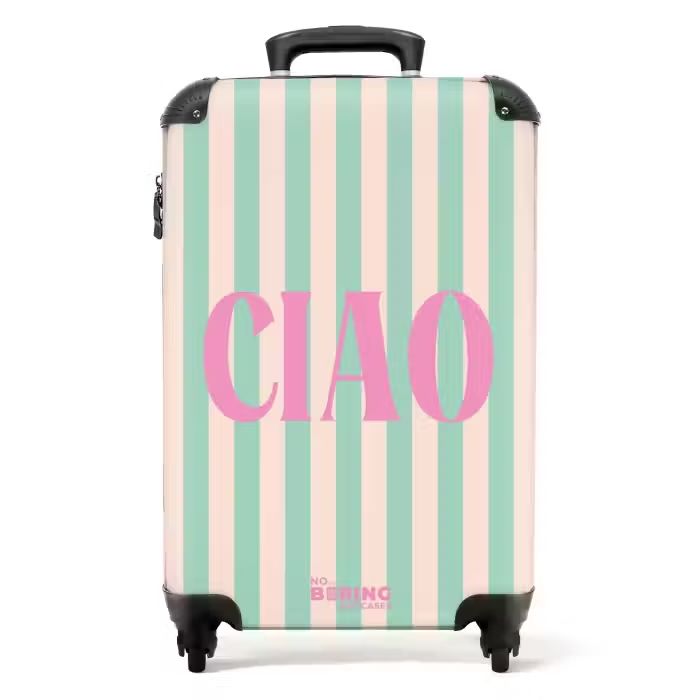
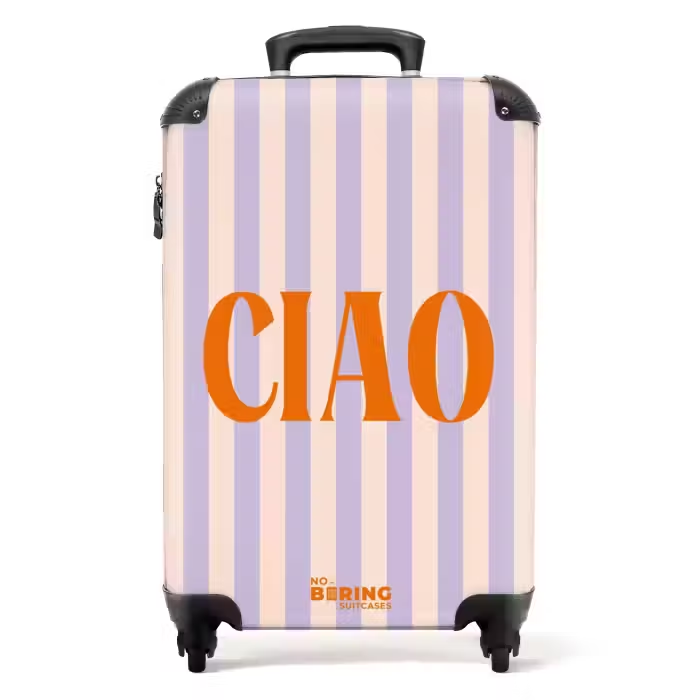
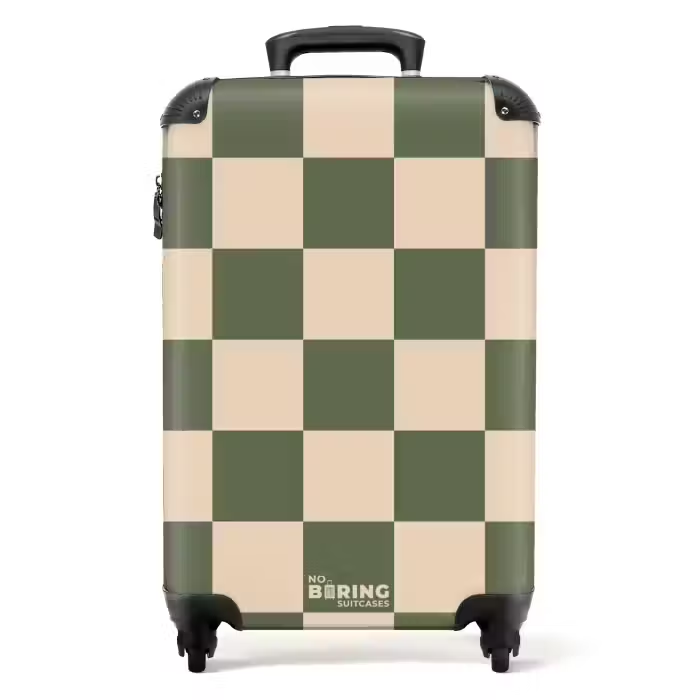
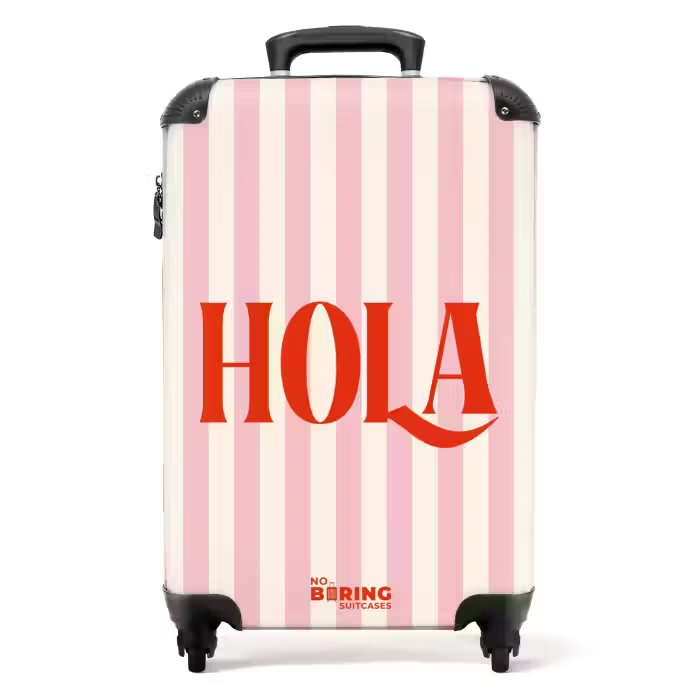
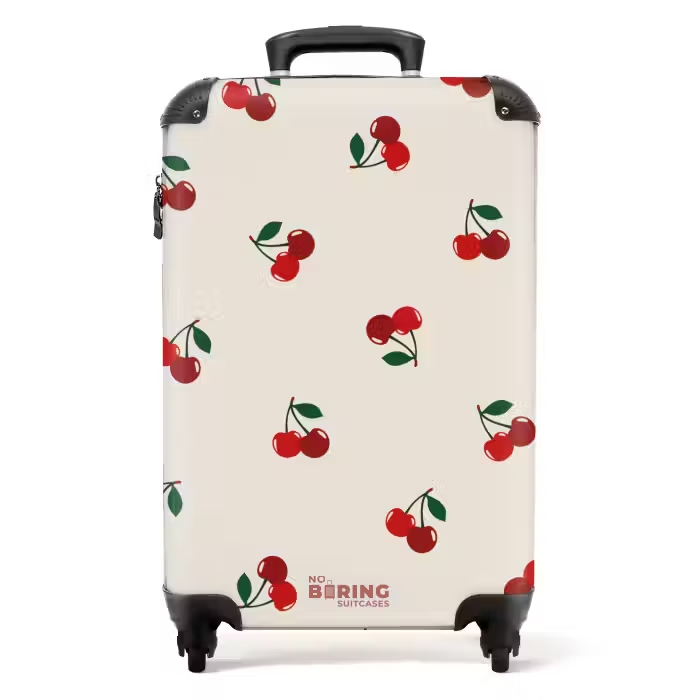
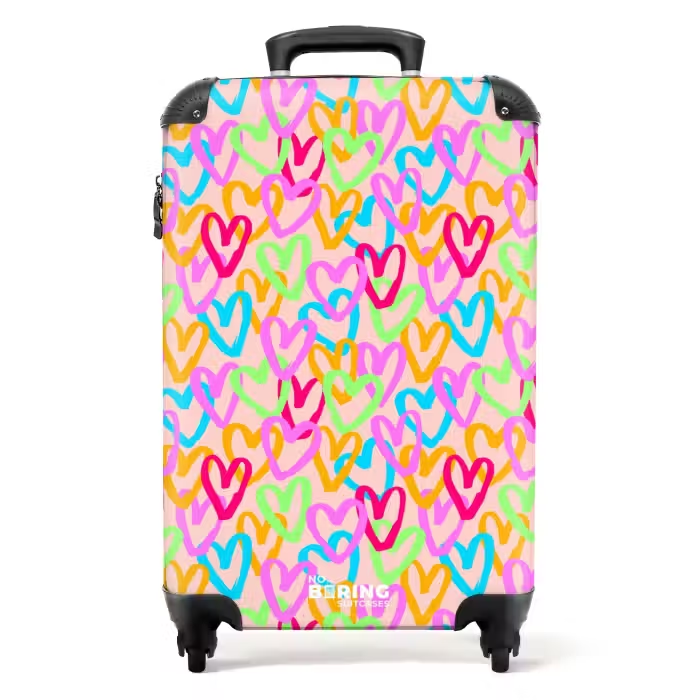
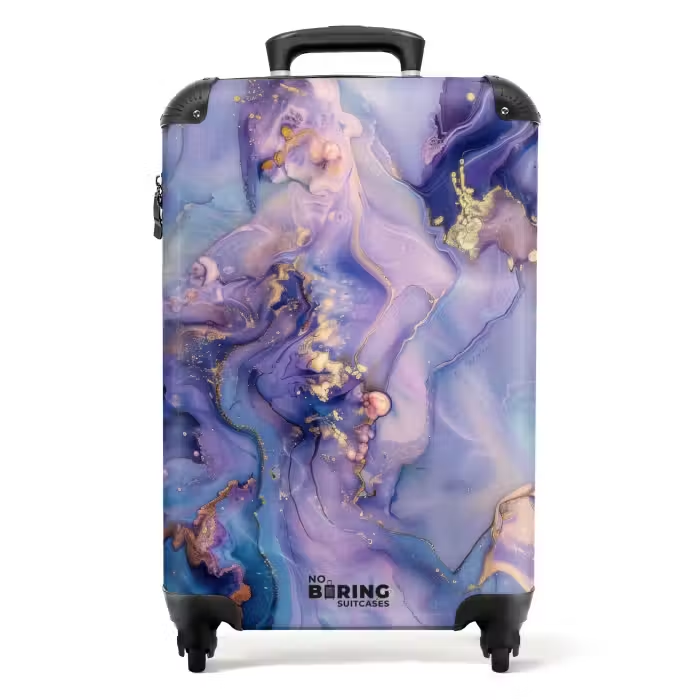
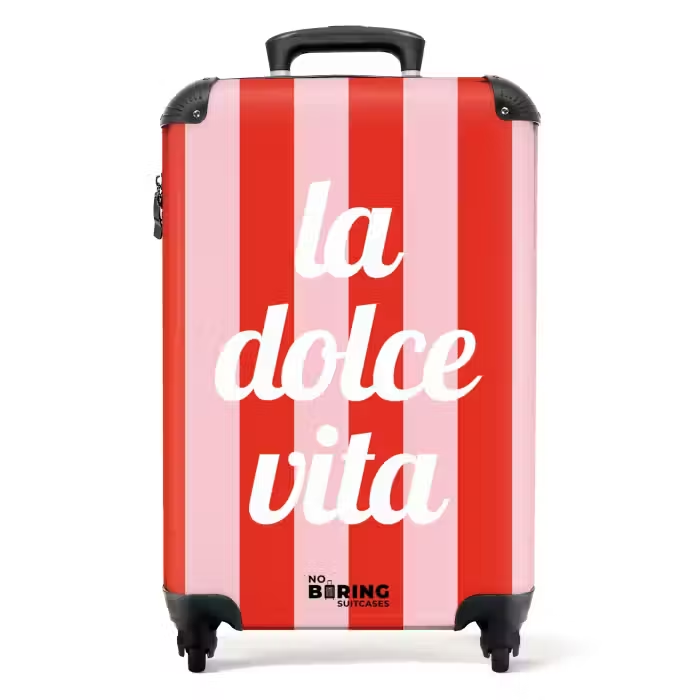
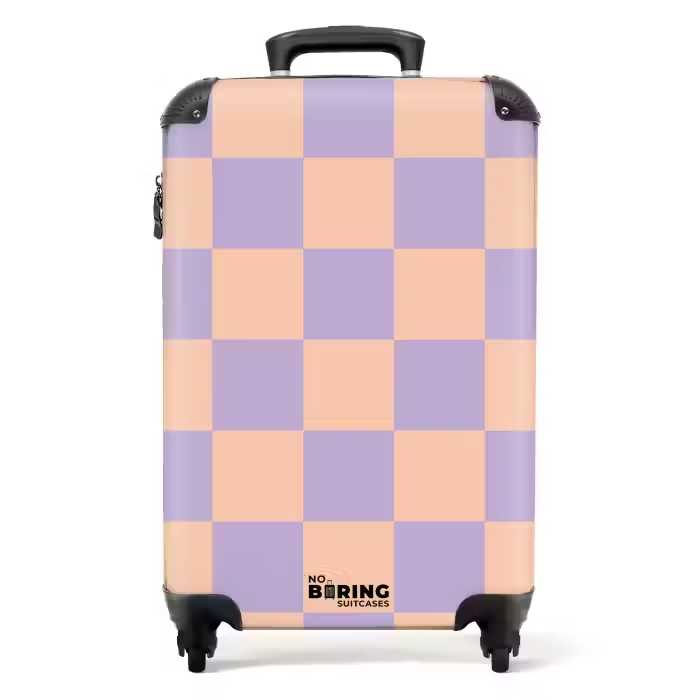
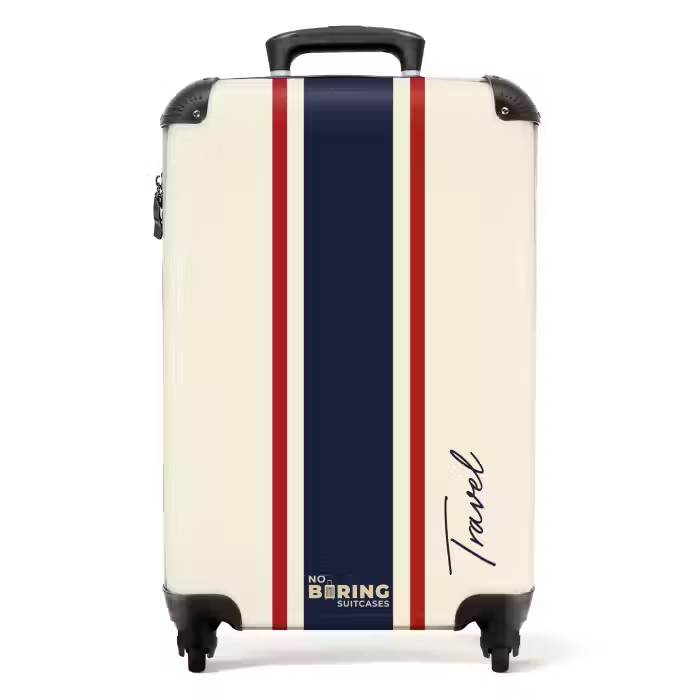
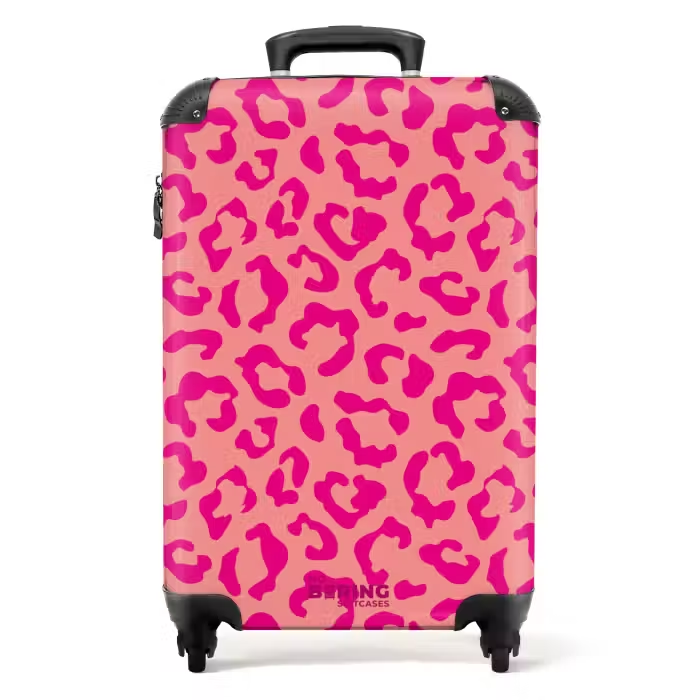
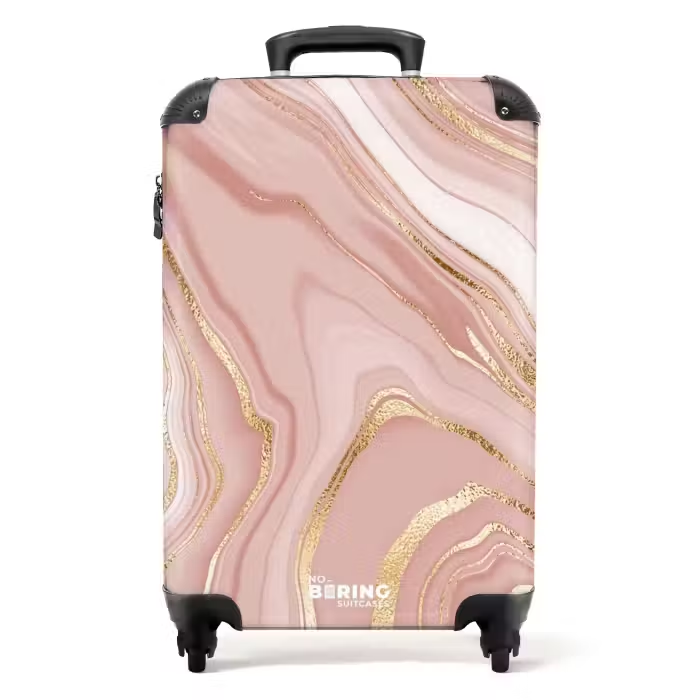
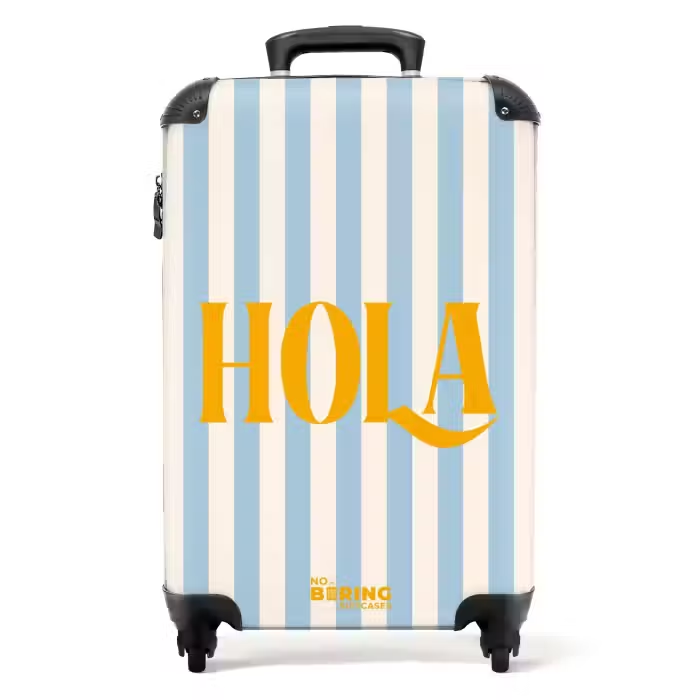
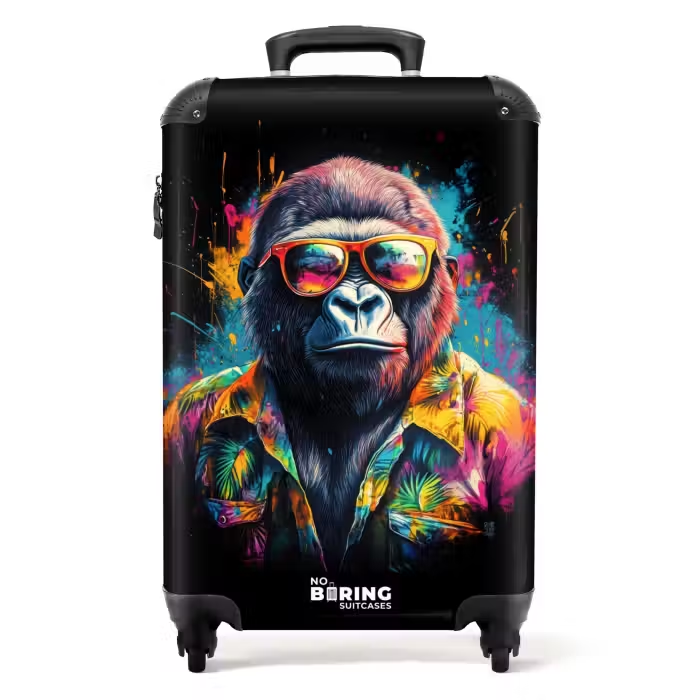
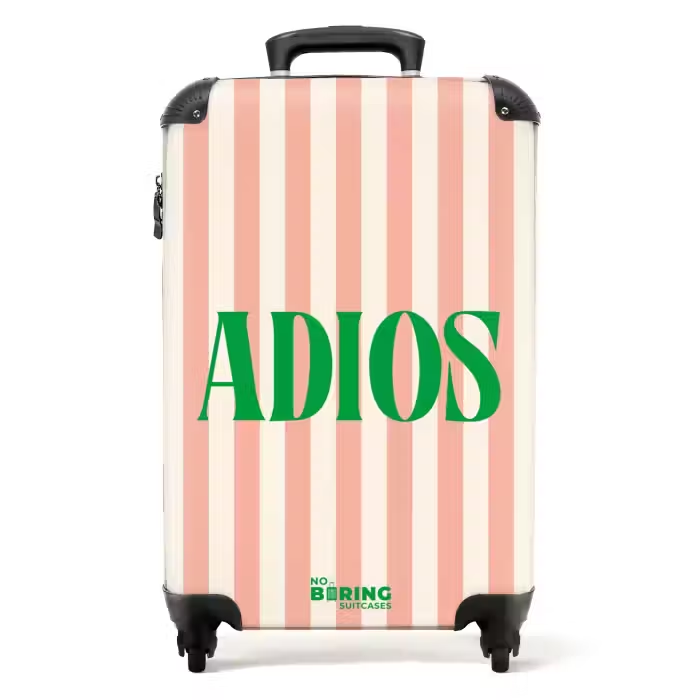
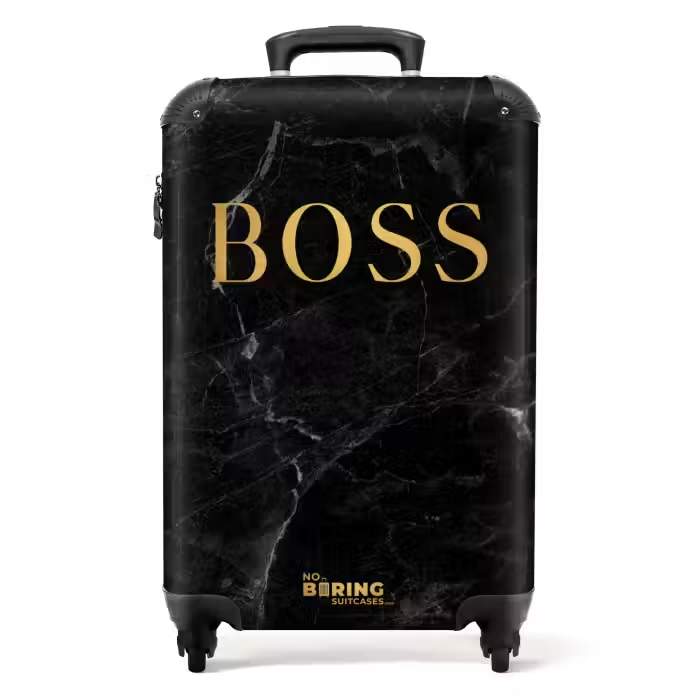
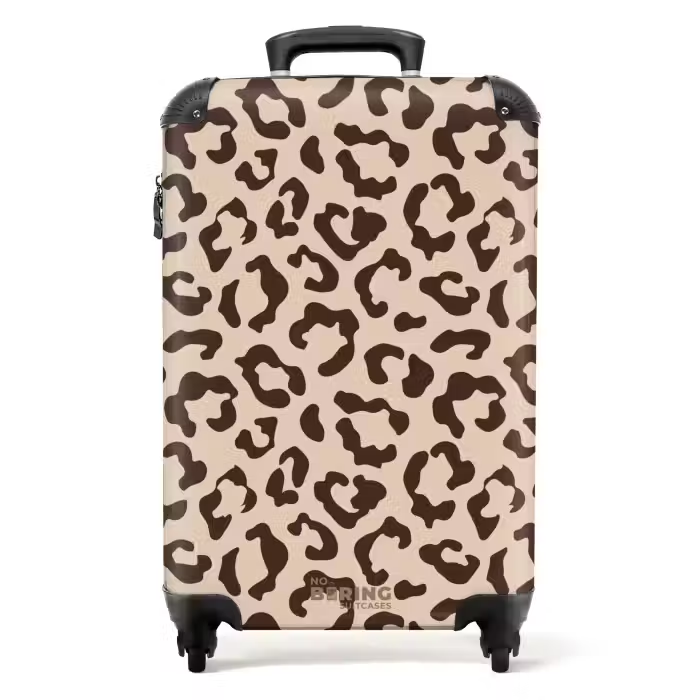
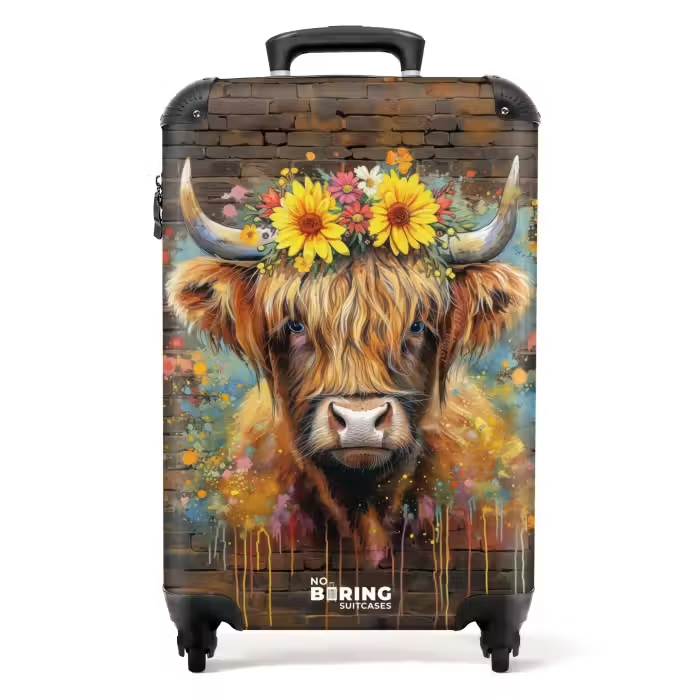
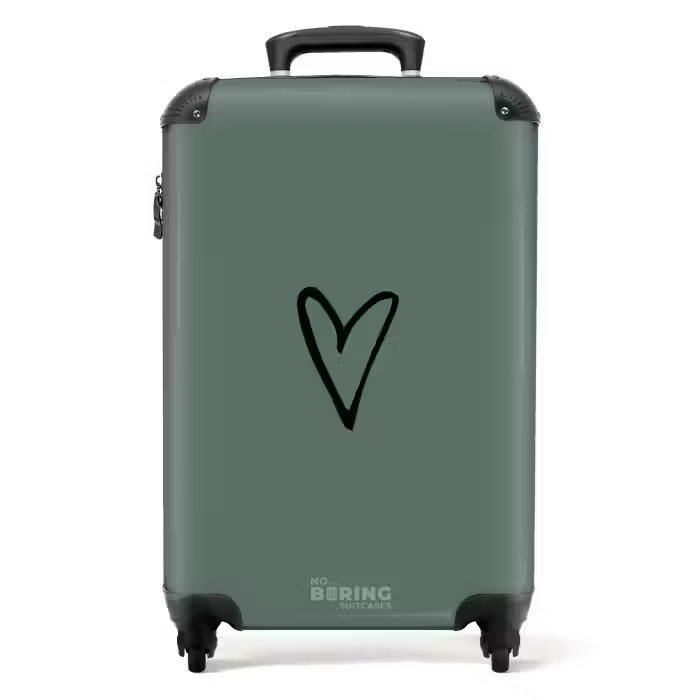
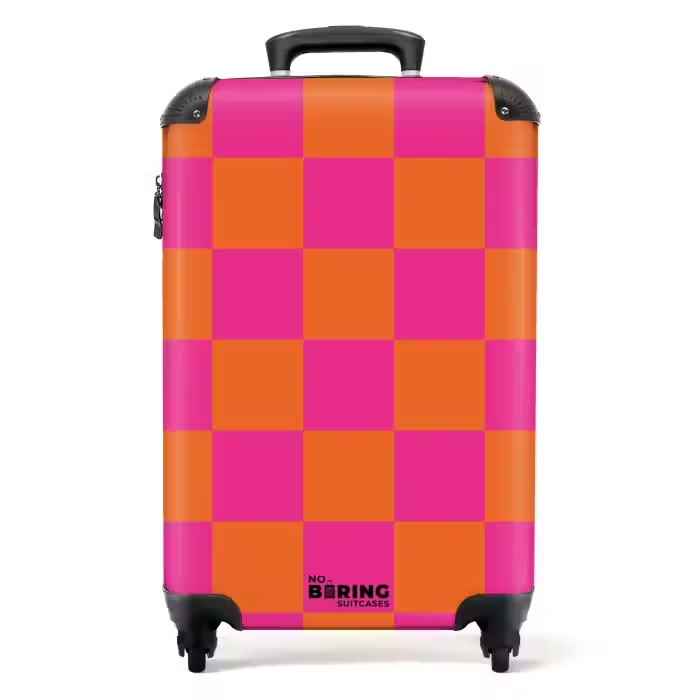

Choose a suitcase that makes these tips easier to follow
Where smart packing really pays off comes down to this:
- Plan outfits and limit shoes first, then fill gaps rather than stuffing extras.
- Use category-based packing cubes and a top-layer flight kit to avoid constant repacking.
- Keep liquids and heavy items positioned for fast security checks and stable rolling.
- Reduce mix-ups with a recognisable design, name/initials, or a personalised print.
NoBoringSuitcases offers a complete range for every trip: cabin suitcases (55 x 35 x 25 cm, 36 L, about 2.6 kg), medium suitcases (72 L), large checked suitcases (98 L), and kids’ suitcases with light-up wheels and fun designs. Explore All suitcases and pick the size and style that fits how you actually travel.

Start with shoes and any bulky items, because they determine the remaining space and the outfits you can realistically wear. Next, add packing cubes, then finish with your top-layer flight kit and liquids pouch so they stay easy to reach.
Use category-based packing cubes, keep liquids in a fast-exit pouch, and wear your bulkiest clothing on the plane. A cabin suitcase that’s widely accepted at 55 x 35 x 25 cm helps you avoid last-minute gate checks; cabin suitcases are built to that size.
Roll knits and casual items, but fold crisp fabrics like shirts and linen to avoid hard roll-lines. Pack tightly enough that items can’t slide around, and place flatter pieces against the shell to spread pressure evenly.
Many travellers manage a week with a medium suitcase around 72 L, especially if they follow the “one spare” rule and plan outfits. If you’re packing for colder weather, formalwear, or multiple people, a large 98 L suitcase is often more comfortable.
Kids do best with a case that’s light, easy to roll, and instantly recognisable. NoBoringSuitcases offers kids’ suitcases in compact and cabin sizes, including versions with LED light-up wheels powered by a dynamo (no batteries), plus designs from animals and flowers to personalised options; browse Kids suitcases.