Do Phone Chargers Go in Hand Luggage or a Suitcase?
Do phone chargers go in hand luggage or a suitcase for UK airport travel and airport security?
The practical answer for most trips is to keep phone chargers in hand luggage so you can access them and avoid delays if your checked baggage is held up. Many travelers search “Do phone chargers go in hand luggage or a suitcase?” right before packing because they want to know what will pass a security check and what is sensible for the flight. In general, a charger cable and plug are fine in either bag, but anything with a battery, like a power bank, needs extra attention. If you are also packing other electrical items, this guide connects the dots with do electrical items go in hand luggage or suitcase so you can pack once and feel confident.
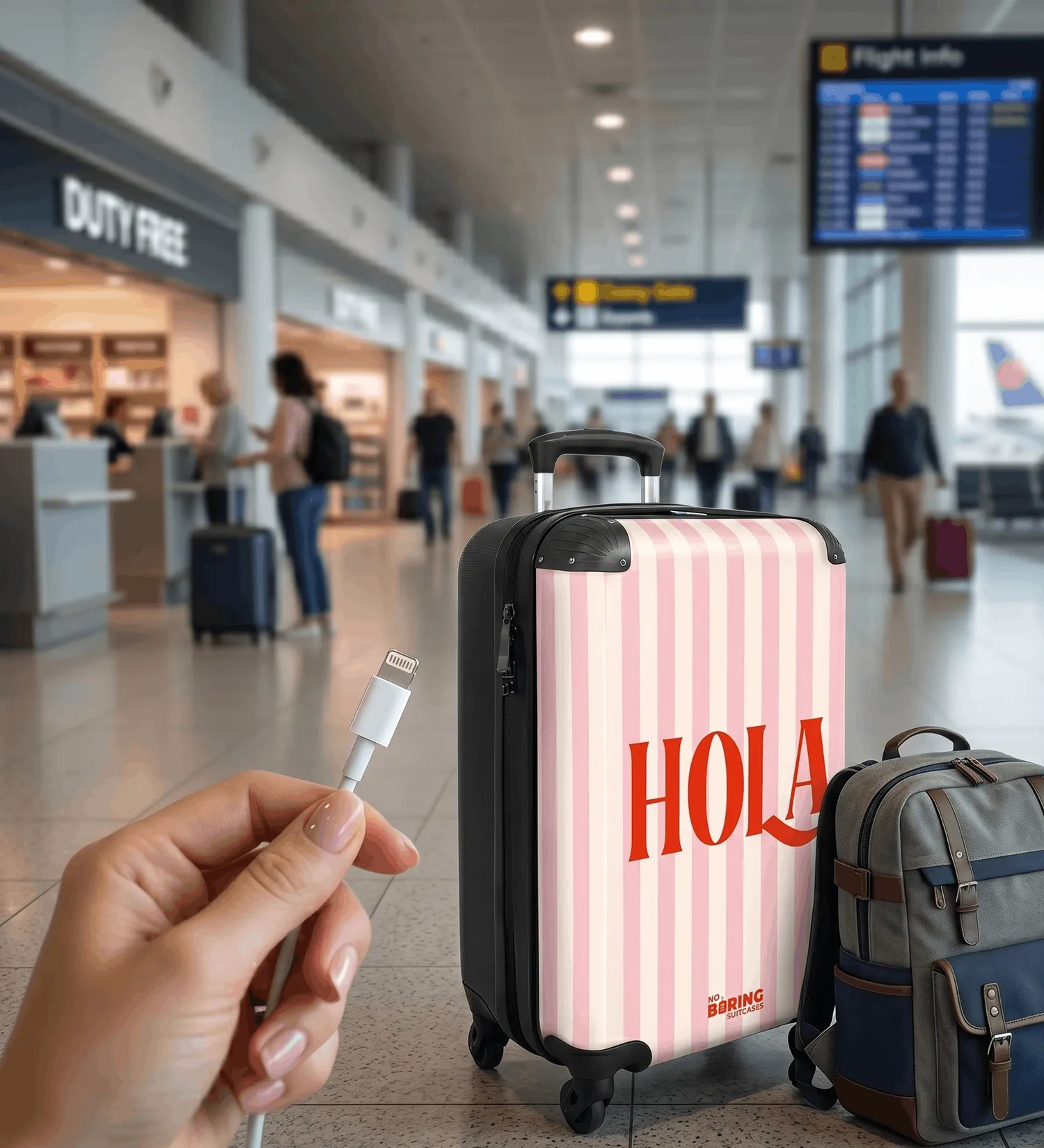
Battery and charger rules
A standard charger (plug, cable, and adapter) is not usually classed as dangerous goods, so chargers are allowed in both carry-on and checked luggage. The battery is what changes the rules: lithium batteries and lithium-ion batteries are treated more strictly, especially spare batteries and portable power banks. A power bank is powered by lithium batteries, so it is typically treated as a battery item rather than a simple charger. This is why many airlines say a portable charger must go in a carry-on, not in checked baggage, and why you should know the rules before you arrive at the airport.
For UK airport travel, luggage restrictions at UK airports are influenced by guidance from the UK Civil Aviation Authority and broader civil aviation authority safety practices, plus airline approval policies. The key idea is risk management: batteries can overheat, so they are controlled more tightly in hold baggage and checked luggage. If you carry phone power banks and spare lithium batteries, keep them in hand baggage where crew can respond quickly if there is an issue. This approach aligns with international air safety expectations and the International Air Transport Association approach to battery carriage, even though your airline may add its own limits.
Hand luggage restrictions at UK airports
Answer first: put phone chargers and anything battery-related that you might need in flight into hand luggage, and only put simple cables or plugs in checked baggage if you really need the space. In practice, many travellers bring phone chargers in their carry-on because they are small, useful, and easy to show at the scanner. A power bank, portable phone chargers, and portable power banks are better carried in hand luggage because items are restricted more heavily in the hold. If you are travelling from a UK airport, follow hand luggage restrictions at UK airports and UK aviation security guidance, and always check your airline policy for any extra luggage restrictions.
At the security check, you may be asked to remove a laptop or other portable electronic device, and sometimes airport security will ask you to show that electronic devices are charged. It helps to make sure your devices are ready, because ensuring your electronic devices can be switched on is a common request when staff want to confirm an electronic device is genuine. Keep devices in your hand luggage and cables together so they go through the scanner smoothly and you can go through security without repacking at the belt. This is also where good organization in a cabin bag makes a noticeable difference, especially if you are also trying to take liquids and manage liquids in your hand luggage.
Using the right luggage for travel with electronic device essentials
Choosing the right luggage makes the “Where do chargers go?” question much easier to handle. Our cabin option is a hand luggage koffer made from high-quality polycarbonate, sized 55 × 35 × 25 cm, designed to fit most airline cabin requirements and your hand luggage allowance. With 36 liters, you can separate personal items from phone chargers, a laptop, and other electrical devices without overstuffing. The integrated TSA lock also helps when your bag is inspected, and if you ever need it, you can follow how to reset suitcase lock to get back on track quickly.
For longer travel, our medium suitcase for checked baggage is 67 × 43 × 25 cm and is also made from high-quality polycarbonate, with four 360-degree wheels and an integrated TSA lock. This is ideal when you want to put clothing and bulkier items in the hold while still keeping batteries in your carry-on baggage. If you are unsure about weight and capacity planning, the guide how to pack a suitcase helps you organize baggage so you are not forced to move restricted items at the airport. The goal is simple: keep your carry-on bag focused on essentials and anything that must go in the carry-on, and keep hold luggage for non-sensitive items.
Airport packing checklist
When packing for the airport, it helps to treat your tech like a small kit so you do not forget something at the security check. Put phone chargers, cables, and your electronic device accessories in one easy-access section of your carry-on luggage. Keep a power bank with you and avoid placing it in checked luggage, because batteries in your carry-on are easier to manage under most airline rules. If you carry spare batteries, keep them protected and separate, and remember that spare lithium batteries should not be loose in a bag where they can short-circuit.
Here is a practical checklist that works well with our organized cabin and luggage interiors:
- Phone chargers and a charger cable packed together so you can show them quickly at airport security.
- Power bank and portable charger kept in hand baggage, not put in the hold, unless your airline explicitly states it is allowed in checked baggage.
- Portable electronic device items like a laptop placed where you can remove it from the scanner.
- Spare batteries stored safely, and batteries for portable electronic devices kept away from metal objects.
- Any prohibited items left at home and any restricted items double-checked against your airline and UK regulations.
If you are traveling with smart luggage features or anything unusual like a fuel cell or portable medical equipment, check for airline approval before you leave. Some portable medical electronic devices have special rules, so confirm what is permitted as items on the plane. This is especially important for international air routes where policies can vary slightly between carriers. When in doubt, keep battery-powered items with you in the cabin rather than in hold baggage.
Make sure your devices are ready to go through airport security
Arriving prepared reduces stress at a UK airport, especially during busy periods when lines move quickly. Make sure your devices are charged and that electronic devices are charged enough to power on, because staff may ask you to demonstrate them at the security check. Keep your phone chargers in your carry-on, and keep your power bank accessible so you do not need to open your whole cabin suitcase at the belt. This also helps if you need to charge your phone while waiting at the gate.
It is also smart to plan around the airline cabin rules. Our cabin case size is widely accepted, but always confirm your airline cabin limits, especially if you pack a full 36-liter cabin load. If you are unsure about sizing, what size is a cabin suitcase explains how cabin measurements typically work so your carry-on baggage fits the overhead bin. With the right cabin bag and a clear tech setup, you can go through airport security faster and keep your travel day simple.
Choose your suitcase and pack chargers the easy way
If you want a simple way to handle the “Do phone chargers go in hand luggage or a suitcase?” question every time you fly, start with luggage that is built for organized travel. Choose our polycarbonate luggage koffer (55 × 35 × 25 cm, 36 liters) for easy access to phone chargers, a power bank, and your electronic device essentials, or pick the medium 67 × 43 × 25 cm case for comfortable checked baggage on longer trips. For families, our kids' suitcases are lightweight and practical, with options in polycarbonate or transparent PVC and polyester, plus two wheels with lights, a height-adjustable handle, and an extra carry handle. With over 1000 designs and personalization with a photo, name, or initials, you will spot your luggage quickly and travel with a case that feels like it was made for you.
Yes, phone chargers without a battery are usually allowed in checked baggage, but many travelers prefer keeping them in hand luggage for easy access. If your charger includes a battery element, treat it like a power bank and keep it with you.
In many cases, yes, because a power bank contains lithium batteries and is treated more strictly than a cable or plug. Always check airline rules, because limits and packaging requirements can vary.
Often you can leave chargers in your bag, but airport security may ask you to separate electronics depending on the lane setup. Keeping cables and chargers together makes it faster if you need to show them.
Yes, kids can carry a tablet and chargers, and it is usually easiest to keep them in hand baggage for the flight. Pack them so the child can access them, while an adult keeps any power bank under the applicable rules.