
How to Unlock a Suitcase
How to unlock a suitcase lock step-by-step when you forget the code
If you are searching for how to unlock a suitcase because you forgot the code right before a trip, start with the basics: identify your suitcase type and the lock style. Our suitcases come with an integrated TSA combination lock on both the cabin suitcase and the medium checked luggage suitcase. That means you are usually dealing with a number-based combination lock, not a separate padlock, and the goal is to open it without damage. If you also want to avoid this next time, combine this guide with how to pack a suitcase so you can keep the lock area accessible and reduce last-minute stress.
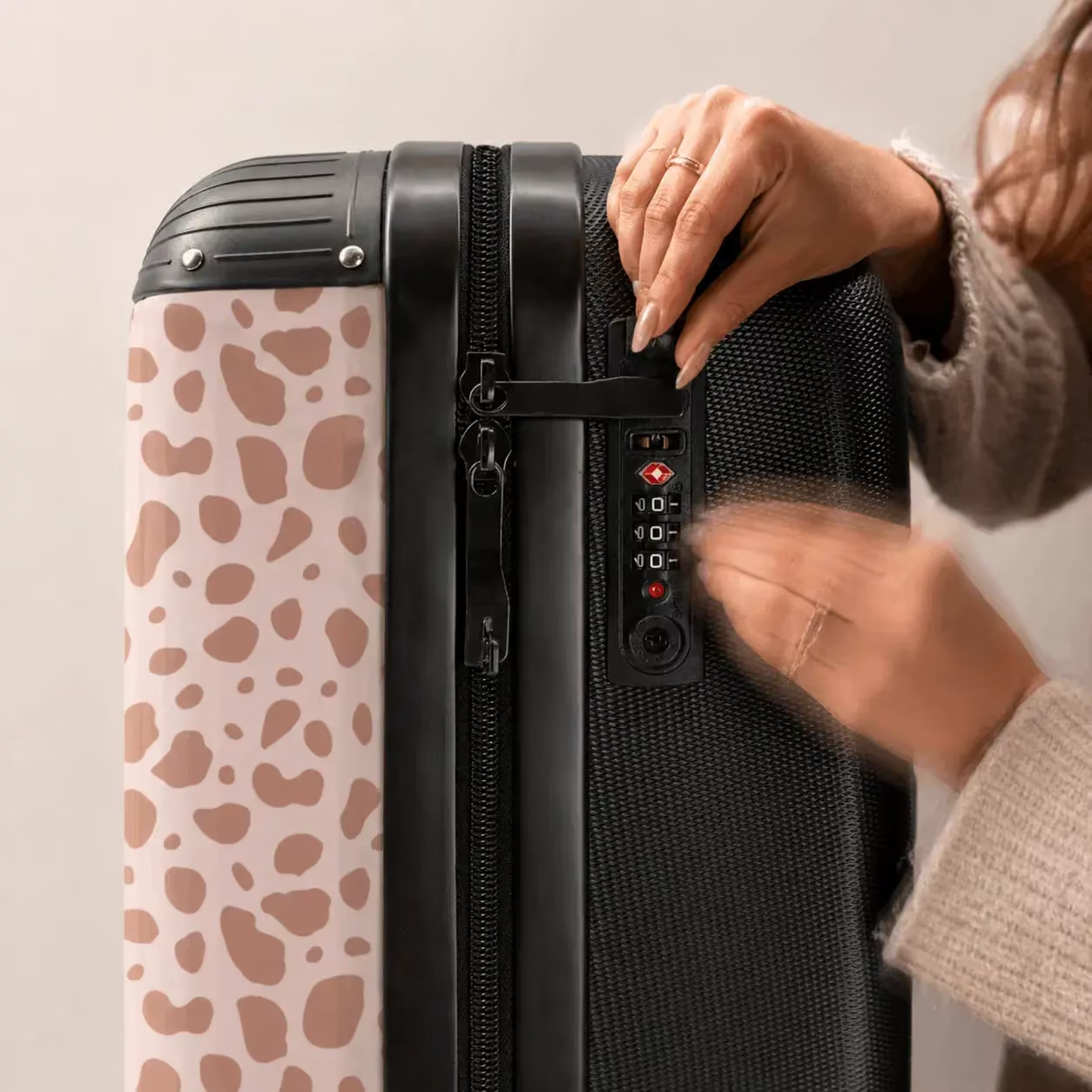
Suitcase lock basics: TSA lock, dials, button, and what to check first
Answer first: Before trying random numbers, confirm what you are looking at on your suitcase lock. On our cabin and medium suitcases, the integrated TSA lock typically has three-digit dials, a release button or slider, and a zipper catch that holds the zip pulls in place. Look for the dial window, the small groove lines that show the selected number, and the button on the side or front that you press or slide to release. This quick check prevents the common mistake of rotating the wrong part or trying to open the lock while the zip pulls are not fully seated.
Next, do a fast “human memory” scan, because many people forget they set an easy code like 000, 111, a birth year, or a repeating digit pattern. If you recently changed the combination, you might be mixing up the old and new code, which is why writing down the lock password in a safe place matters. Also check whether the lock is under tension: if the zip is overstuffed, the mechanism can feel stuck even with the correct combination. Reduce pressure by gently pushing the two zip pulls into their open position inside the lock channel, then try again.
How to unlock your bag without forcing the mechanism
Answer first: The safest way to unlock your bag is to remove tension, align the correct combination, and then press the release button in one smooth motion. If you are following a video, pause it and do each step slowly on your own suitcase because different sizes in our range have slightly different lock placements. On the cabin suitcase, the lock sits where it is easy to reach while rolling on four 360-degree wheels, so you can set it on a flat surface and work comfortably. On the medium suitcase, do the same on a table or floor so the dials are stable and you can see each number clearly.
Here is a practical tip that works with a combination lock: set all dials to 0, then rotate each dial slowly and feel for a subtle click or change in resistance while keeping light pressure on the release. Do not press so hard that you bend anything; you are just loading the mechanism enough to sense feedback. When you think you found a “softer” position, note the number, repeat for each digit, and then try the full code. If it opens, open it fully, remove the zip pulls, and only then decide whether you need to reset it.
Unlock a forgotten combination lock password on our cabin suitcase
Answer first: If you need to unlock a forgotten combination lock password on the cabin suitcase, work in a controlled sequence and keep the case relaxed. Place the polycarbonate suitcase flat; ensure the zip pulls are fully inserted into the lock's open channel; and set the dials to a known starting point like 000. Apply gentle pressure by pushing the release button as if you want to open the lock, then slowly spin one dial at a time. Watch the number window carefully so you do not skip a digit, and keep track of what you tried.
If you are dealing with a forgotten code scenario, do not jump around randomly because it increases mistakes. Try common personal codes first, then move to systematic ranges if needed, such as 000 to 099, then 100 to 199, and so on, taking breaks to stay accurate. This is slow, but it avoids damage and keeps your luggage travel-ready. Once it opens, consider immediately changing the combination to something you will remember and store the lock password securely so you do not have to repeat this process.
Reset and change the combination after you open the lock (TSA lock)
Once you manage to open the lock, the next priority is preventing the same issue if you forget again. Many integrated TSA combination locks allow you to reset by moving a small reset switch or using a pinhole while the lock is open, then setting a new code. Use a pen or ballpoint pen only if the mechanism requires a small press in a hole, and never push hard enough to damage the plastic parts. If your model has a reset button rather than a pinhole, press and hold it, set the new digits, and then release it to save the new code.
Choose a code you can remember but that is not obvious, and write the lock password in a secure note rather than on the suitcase itself. Test it three times: lock, unlock, lock, unlock, and then lock again, so you know the mechanism is correct before travel day. If you want more detailed guidance, use how to reset suitcase lock for a clear walkthrough. This is also a good moment to check your packing plan, especially if you carry electronics, because do electrical items go in hand luggage or suitcase can affect how often you need to access your bag during the trip.
Size and travel checks
Lock issues often happen at the airport, so prevention is part of learning how to unlock a suitcase lock in real life. Our cabin suitcase size is 55 × 35 × 25 cm, which is accepted by nearly all airlines as cabin luggage, and it rolls smoothly on four 360-degree wheels so you can keep it close and in view. If you are unsure about cabin requirements, check what size is a cabin suitcase and confirm your airline rules before you travel. When you have the right size, you are less likely to overstuff the zip and put pressure on the lock mechanism.
For longer trips, the medium suitcase at 67 × 43 × 25 cm gives you more room while staying lightweight and comfortable. If you are planning around weight limits, what size suitcase for 23kg can help you choose the right option and pack in a way that keeps stress on the zip and lock low? A simple habit is to keep a small “access zone” near the top for items you might need at security, so you do not repeatedly lock and unlock in a rush. That reduces the chance you forget the code, misread a number, or leave the dials between positions.
Shop our suitcases with TSA locks and personalization
If you want a suitcase that is lightweight, secure, and easy to recognize, explore our cabin, medium, and kids' suitcases with unique designs and personalization options. Choose your favorite style, add a name or photo, and travel with an integrated TSA lock that is made for smooth, everyday use. Make your next trip simpler by picking the right size and a design you will never confuse at the airport.
Start by removing tension from the zip, set the dials to 000, and try likely codes you use often. If that fails, work systematically through ranges and keep notes so you do not repeat combinations.
TSA locks can be opened by authorized screening with a master key, but travelers typically do not have that key. For normal use, you should rely on the correct combination and then reset it once the lock is open.
Avoid forcing or trying to break the lock, because it can damage the mechanism and the zip area. Only use a pen in the reset hole if your lock is already open and the design requires it to change the combination.
Store it in a private note on your phone or a secure password manager, not on the suitcase itself. Test the code before each trip so you know the correct combination still works.